
Last updated November 17, 2026
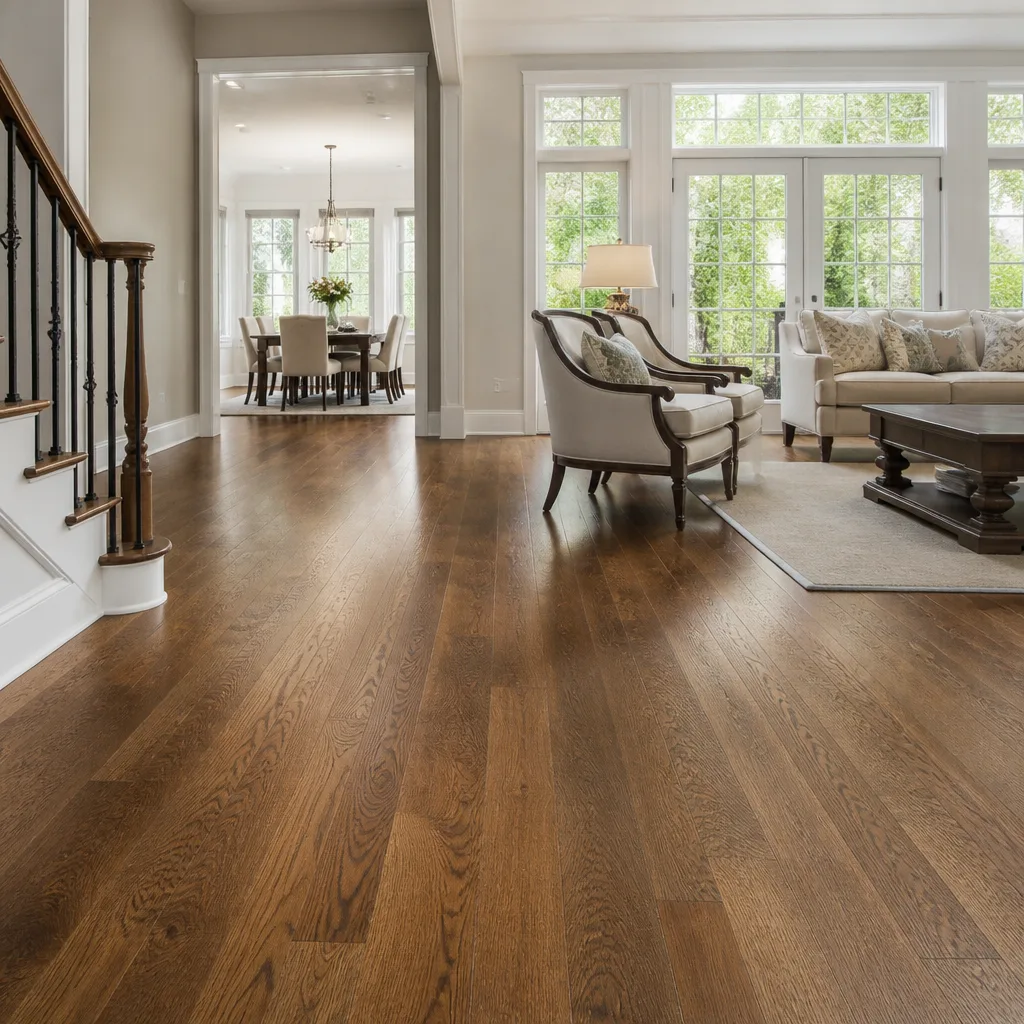 Hardwood
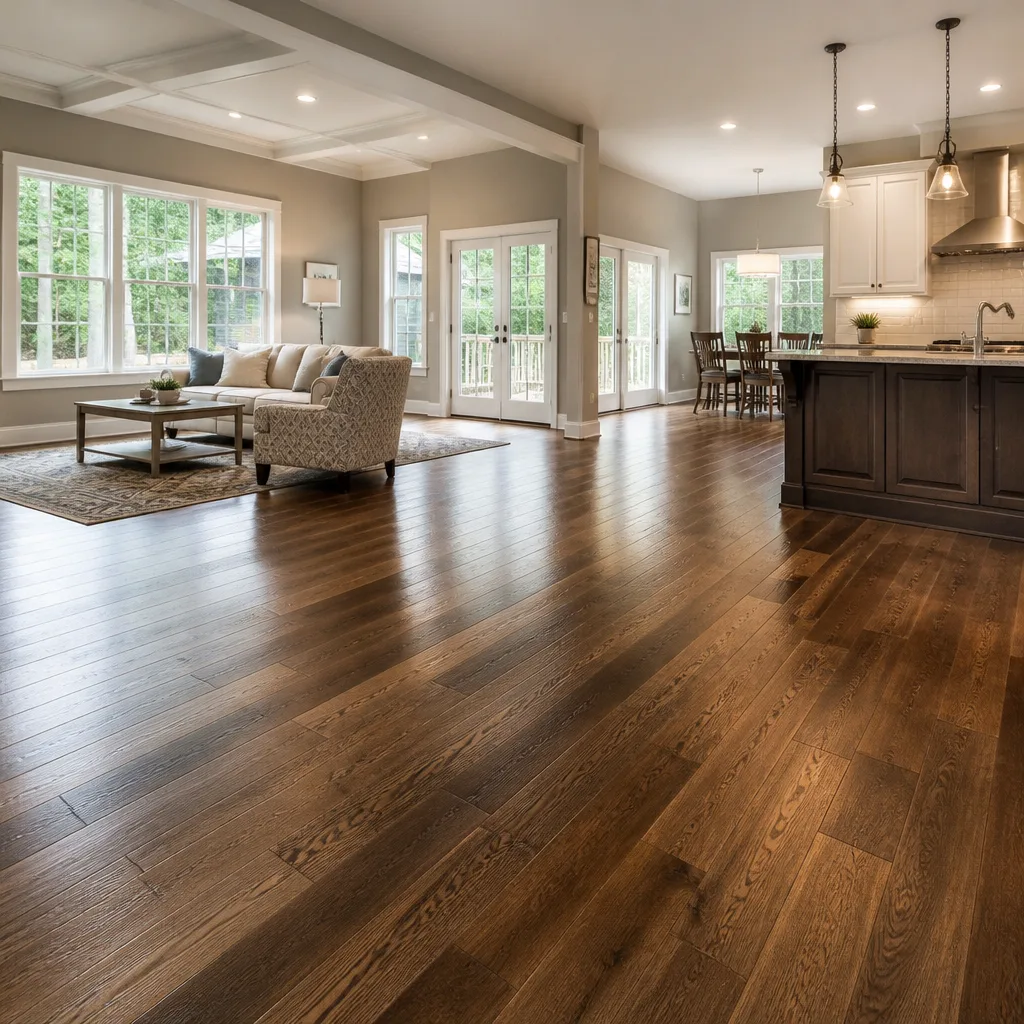 Engineered hardwood
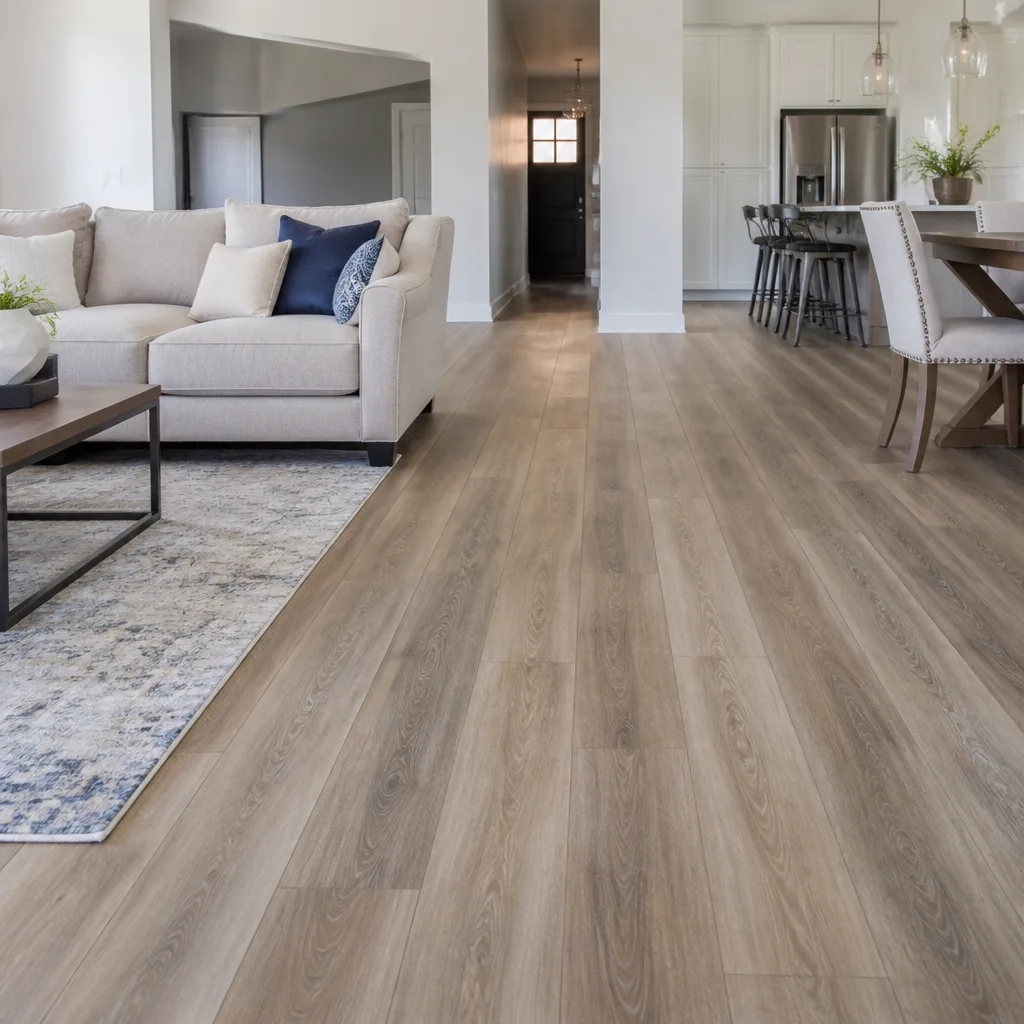 Luxury vinyl plank
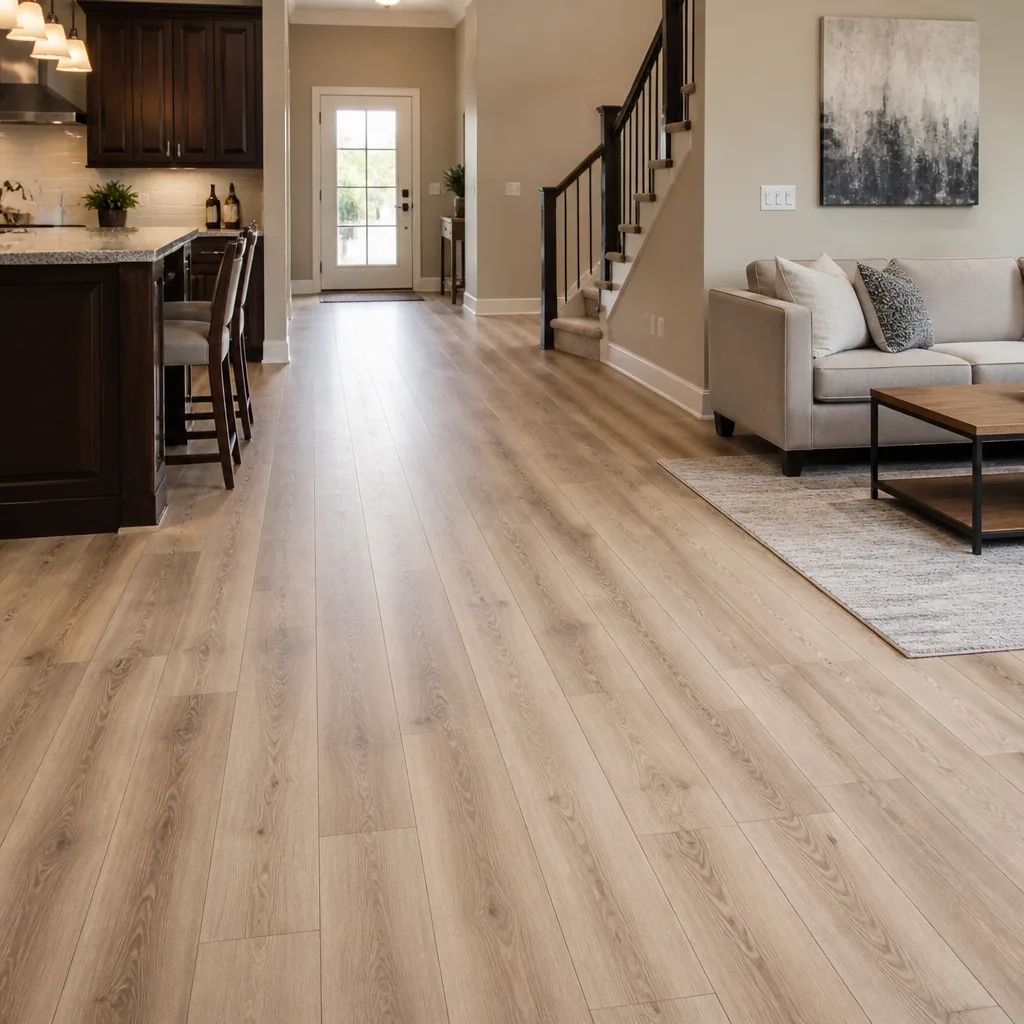 Laminate
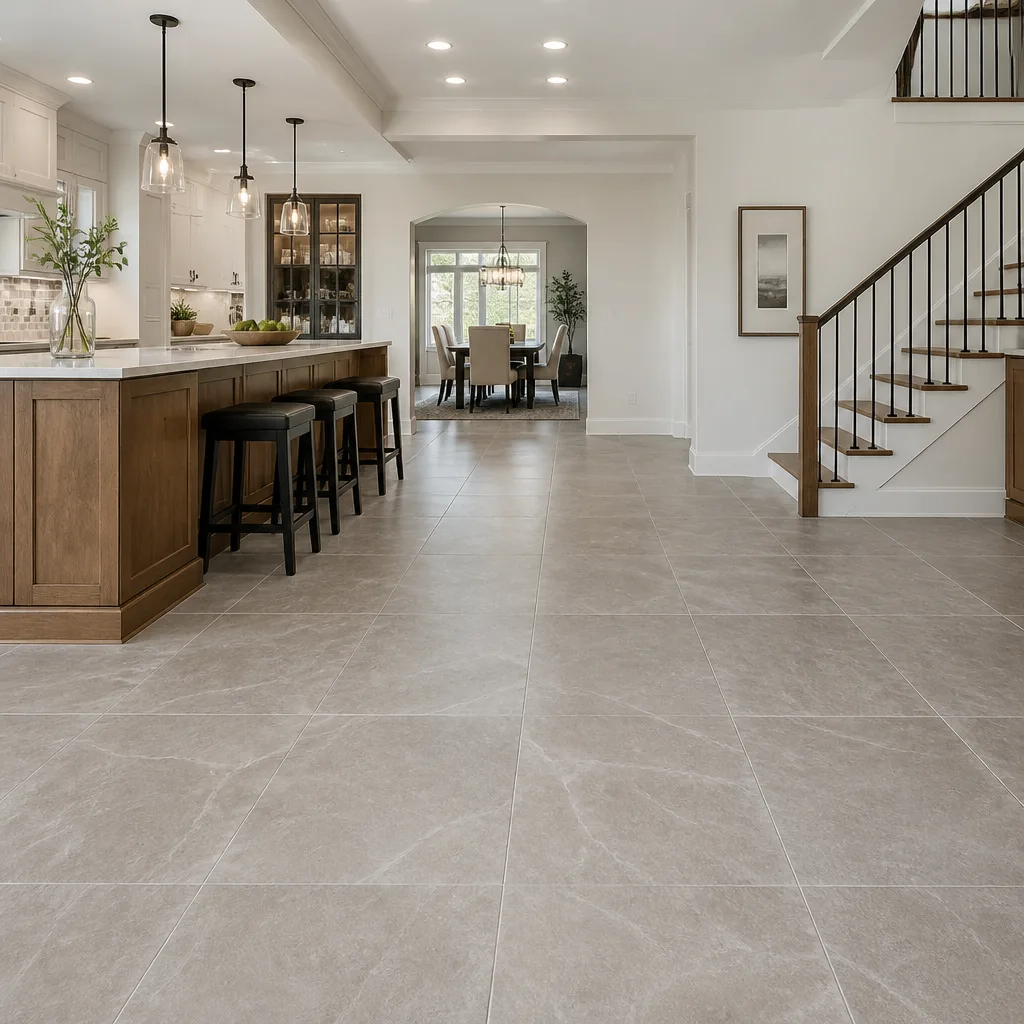 Porcelain tile
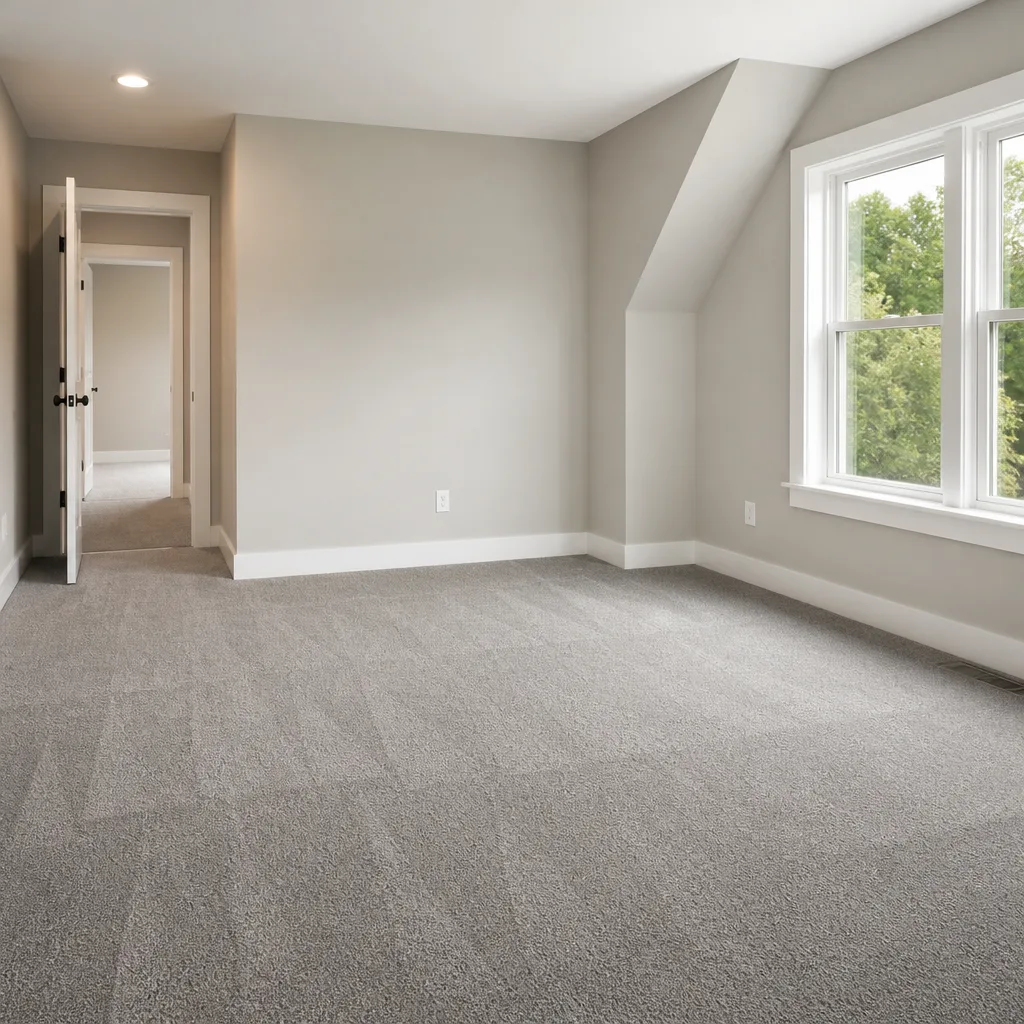 Carpet
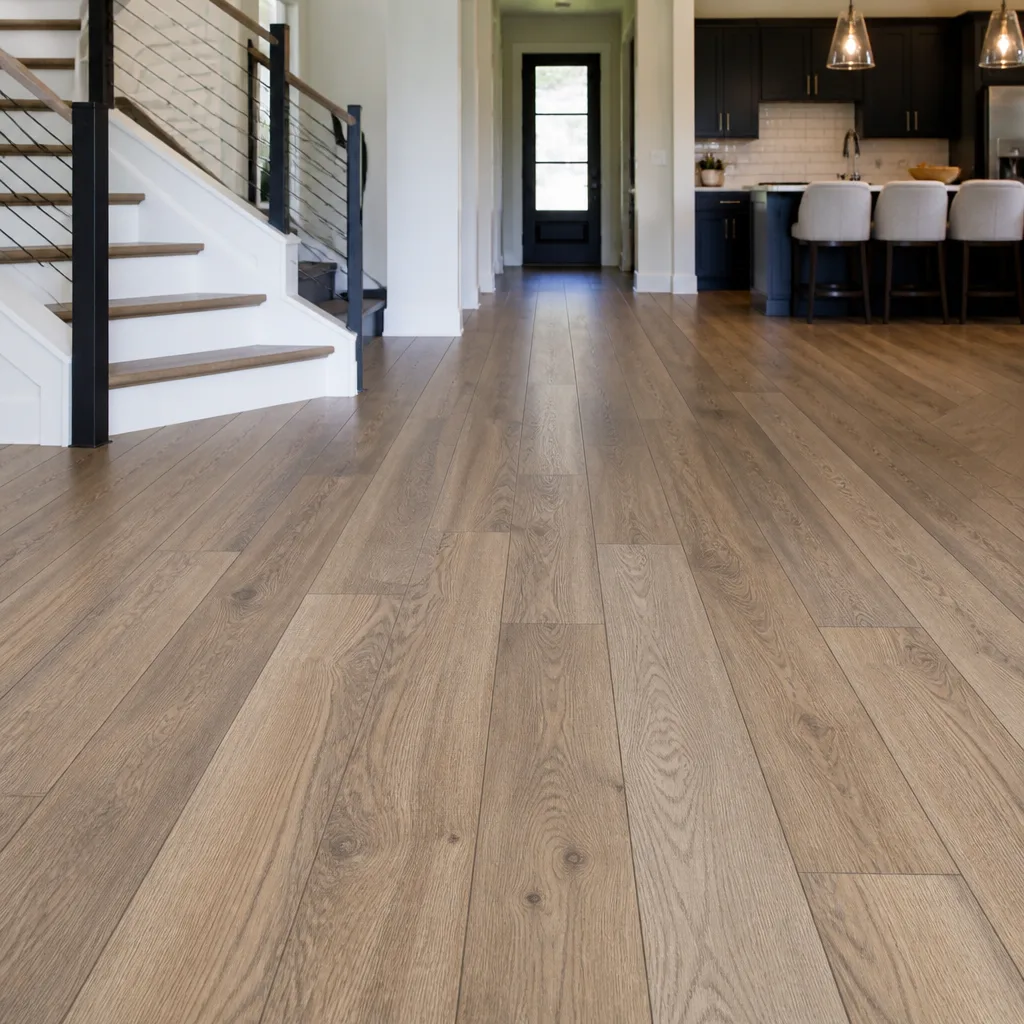 Shaw
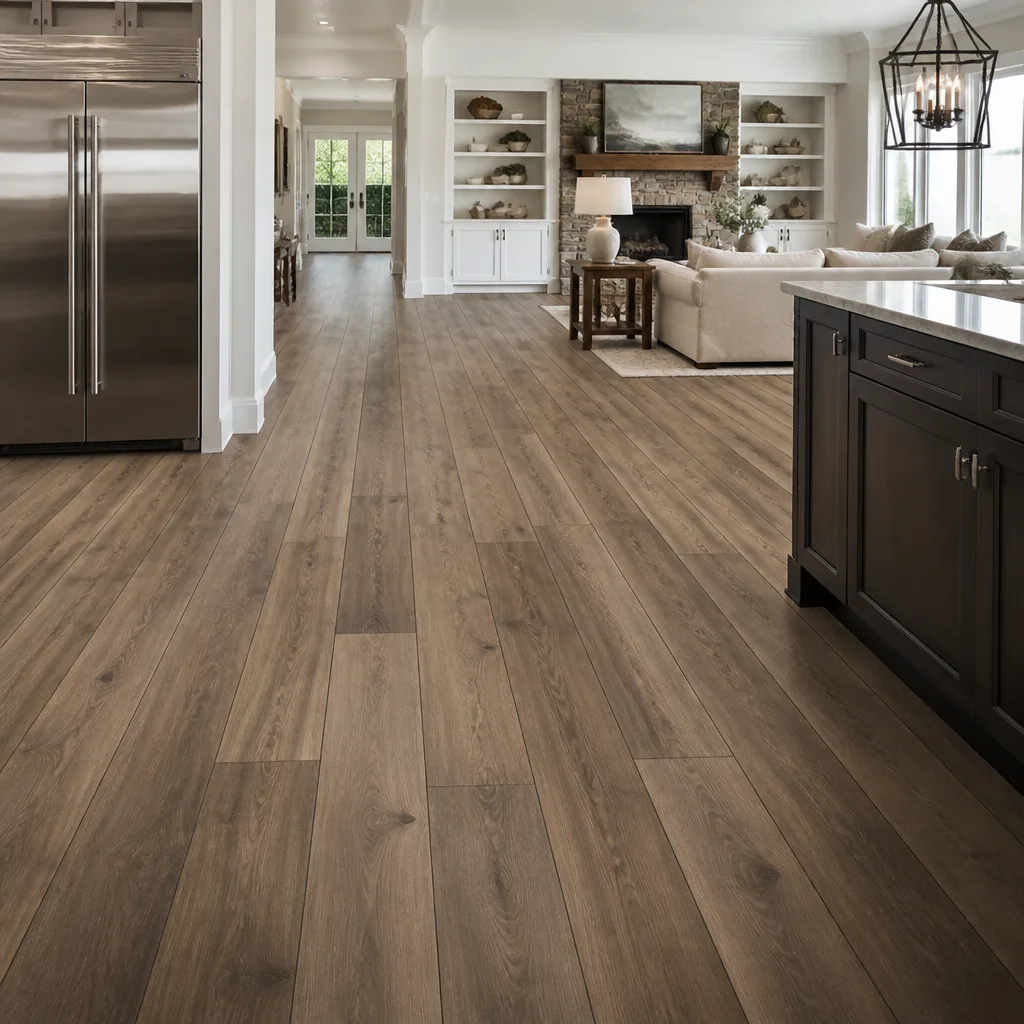 Mohawk
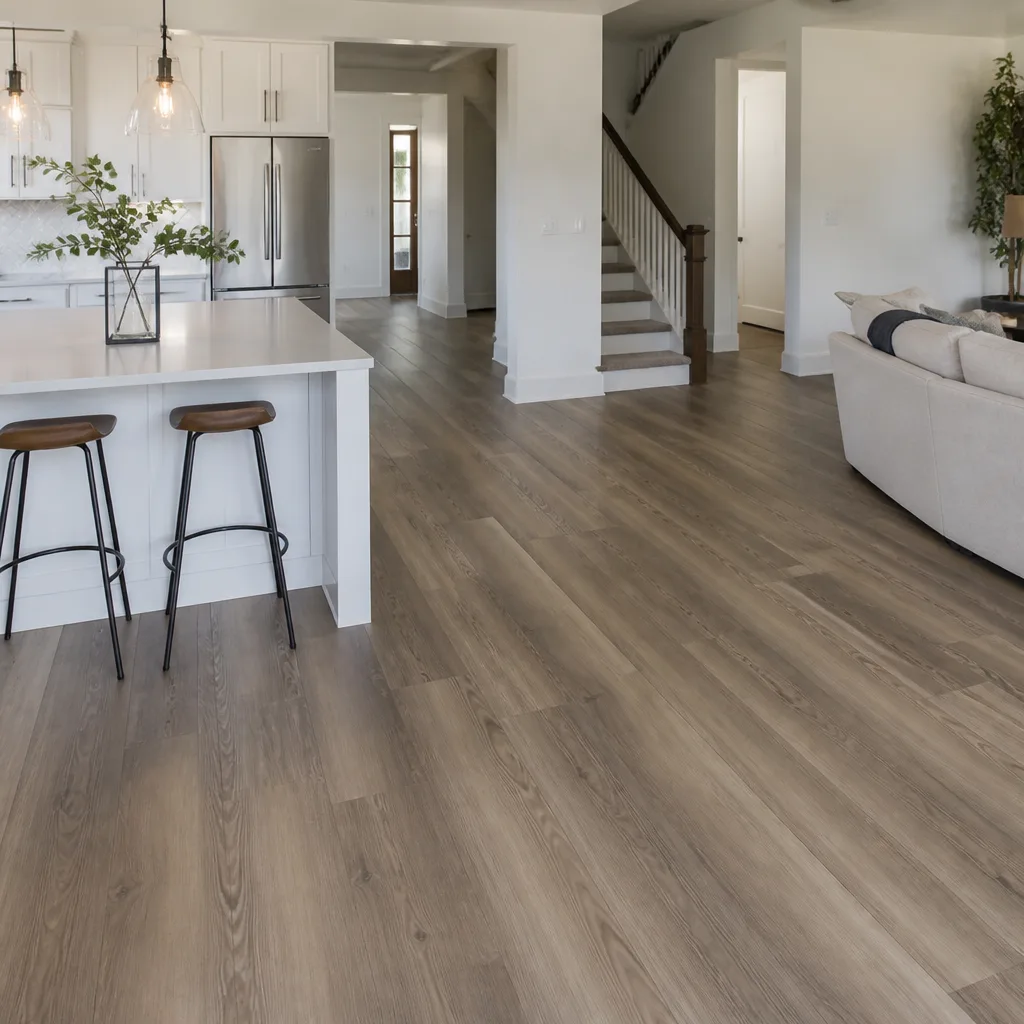 COREtec
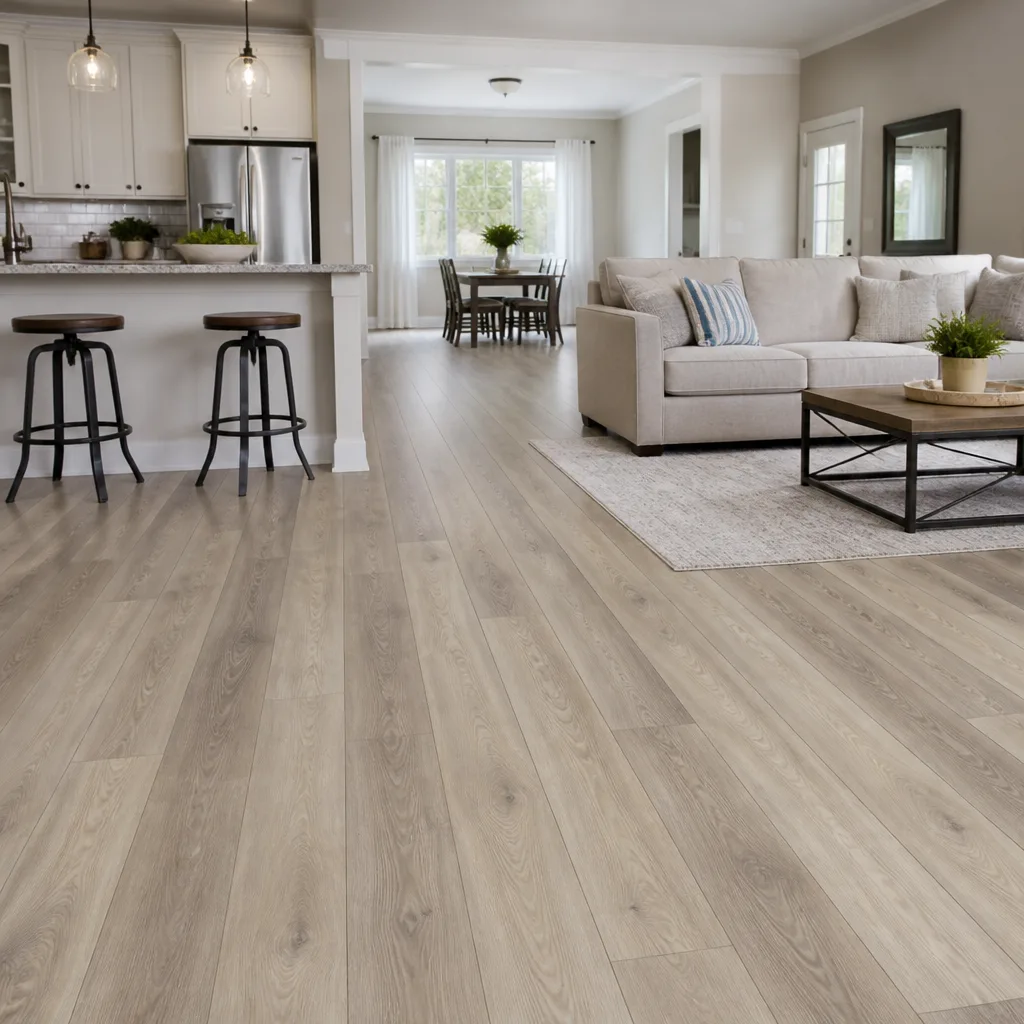 Pergo
Free in-home measure and written estimate: Shaw, Mohawk, COREtec and Pergo lines compared on your own rooms, with carpet, tile, vinyl plank, laminate and hardwood laid out side by side
Get your free estimateHow to Care for New Flooring: Hardwood, Vinyl, Laminate, Tile and Carpet
The cleaning product most Spring Valley homeowners use on their new luxury vinyl plank is the one quietly dulling it. A popular spray mop solution, advertised heavily and sold everywhere, leaves a pH-alkaline residue that builds up on the wear layer and clouds the finish over time. The care spec for that floor calls for a neutral-pH cleaner, but that line is buried in a spec sheet almost nobody reads. Add desert grit tracked in daily and relentless high-desert sun through west-facing windows, and a new floor can look five years old in two. This guide covers what actually matters for hardwood, vinyl, laminate, tile and carpet in Spring Valley, from the right cleaner to grout care in hard water to the first-year habits that decide how a floor ages.
Quick Answer
Care for new flooring by matching the cleaner to the surface, keeping grit off it daily, and controlling sun and indoor humidity. Use a pH-neutral cleaner on luxury vinyl, laminate and sealed tile, a wood-specific cleaner on hardwood, and dry extraction or low-moisture cleaning on carpet. In Spring Valley, the two biggest threats are alkaline desert dust that acts like sandpaper underfoot and intense UV that fades and yellows finishes, so dry dust-mopping frequency and window protection matter more here than in most care guides.
Styles & brands we work with
- Hardwood
- Engineered hardwood
- Luxury vinyl plank
- Laminate
- Porcelain tile
- Carpet
- Shaw
- Mohawk
- COREtec
- Pergo
Table of Contents
- Why Desert Grit Changes Your Cleaning Routine
- Choosing the Right Cleaner: pH and What the Label Tells You
- Protecting Floors From Spring Valley Sun and UV
- Care by Floor Type: Hardwood, Vinyl, Laminate, Tile and Carpet
- Grout and Hard Water: Efflorescence, Sealing and the Right Products
- The First-Year Habits That Decide How Your Floor Looks at Year Five
- Humidity, HVAC and the Seasonal Swing
- When Care Alone Isn’t Enough
Why Desert Grit Changes Your Cleaning Routine
Spring Valley sits in a high desert valley, and the dust that settles on driveways, patios and sidewalks here is fine, alkaline and abrasive. Under a shoe, that grit behaves like very fine sandpaper against a floor finish. Care guides written for humid climates assume mud and moisture are the enemy, so they recommend damp mopping and less frequent dry cleaning. Here, it’s the reverse. Dry removal comes first and comes often.
We’ve seen how quickly a floor near an entry changes when grit is left to grind underfoot. The fix isn’t complicated, but it has to be consistent:
- Vacuum or dry-mop high-traffic zones every day or two. Use a microfiber pad or a vacuum with a hard-floor head and a brush that won’t scuff. Entry paths, kitchen work zones and the strip between the front door and the living room collect the most.
- Use a dedicated dust mop, not a broom, on smooth floors. A stiff broom pushes grit around. A microfiber mop traps it.
- Shake entry mats out weekly and vacuum them. A mat loaded with dust stops trapping anything.
- Damp mop only after dry cleaning. A wet mop over dry grit turns dust into a slurry that dries into a film.
This is the single biggest adjustment Spring Valley homeowners make after a new floor goes in. It costs a few minutes a day and it protects the finish more than any product you can buy. The same grit logic applies whether you’re caring for brand-new flooring or a floor you just had refreshed through flooring installation Spring Valley.
Choosing the Right Cleaner: pH and What the Label Tells You
Most floor damage from cleaning comes from the cleaner, not the mop. Alkaline products, including many all-purpose spray mop solutions, leave a residue that dulls wear layers and can strip the sheen from hardwood finishes over months of use. Acidic products are their own problem on natural stone and on some grouts. The safe default across luxury vinyl, laminate and sealed tile is a neutral-pH cleaner made for hard floors.
How to read a label before you buy
- Look for “pH neutral” or “neutral pH” in plain text. If the label doesn’t say it, assume it isn’t.
- Skip anything labeled “heavy-duty,” “degreaser” or “streak-free shine.” Those claims usually ride on alkaline chemistry.
- Check the floor-type line on the bottle. A cleaner formulated for vinyl is usually fine on laminate; a wood-floor cleaner shouldn’t go on tile or vinyl.
- Avoid vinegar and homemade citrus mixes on stone and on any sealer. Both are acidic and can etch or degrade surfaces over time.
- When in doubt, use water and a microfiber mop. Plain water is pH-neutral and removes fresh grit without leaving residue.
For hardwood, use a cleaner made specifically for finished wood and keep the moisture light. Never flood a wood floor, and never use steam on hardwood, laminate or luxury vinyl. Steam drives moisture into seams and edges, which is exactly where swelling starts.
Quick cleaner reference
- Luxury vinyl plank (COREtec, LifeProof, Karndean, Mannington): neutral-pH hard-floor cleaner, light damp mop.
- Laminate (Pergo, Armstrong): neutral-pH laminate cleaner, barely damp, never wet.
- Hardwood: wood-specific cleaner, spray onto the cloth or mop, not the floor.
- Tile (Daltile): neutral-pH tile cleaner; skip acidic products on grout and stone.
- Carpet (Shaw, Mohawk): dry extraction or low-moisture cleaning; spot-treat with a carpet-specific product.
Protecting Floors From Spring Valley Sun and UV
Sun here is not the gentle kind. Long, bright days and strong UV through south- and west-facing windows fade finishes, yellow light-toned vinyl and laminate, and shift the color of natural wood over months, not decades. If your new floor sits in a room with unshaded glass, UV protection is part of care, not an optional add-on.
What actually helps
- Window film. A UV-blocking film on the glass cuts the largest share of UV before it reaches the floor. It doesn’t stop visible-light fading entirely, and it won’t help a floor that gets direct sun through a screen door, but it’s the most effective single step.
- Drapes, blinds or solar shades. Pulled during the strongest sun, these do more than film alone for visible-light exposure.
- Furniture arrangement. Rotating rugs and repositioning pieces so one strip of floor doesn’t take years of direct sun keeps fading even.
- Rugs in high-sun zones. A rug in front of a sun-facing slider absorbs the exposure where it lands hardest.
What the finish can and can’t do
Some wear layers and finishes include UV inhibitors, and some manufacturers build fade resistance into specific product lines. Those claims range from meaningful to marketing. The practical move is to ask about UV performance for the exact product before it’s installed, then protect the glass anyway. No finish survives unshaded desert sun indefinitely. If you’re choosing a floor for a bright room, tell us at the estimate and we’ll talk through which options hold color best. That’s part of how Spring Valley projects get planned room by room.
Care by Floor Type: Hardwood, Vinyl, Laminate, Tile and Carpet
Each floor type has one or two care rules that matter more than all the rest. Get those right and the routine stays simple.
Hardwood
- Clean up spills promptly with a dry cloth, then a barely damp one. Standing water is the main enemy.
- Keep indoor humidity in a moderate band (see the humidity section below). Wood expands and contracts with moisture, and desert seasons swing hard.
- Use felt pads under furniture and lift, don’t drag, heavy pieces.
- Refinish when the finish wears through, not when the wood looks dull. Refinishing restores what’s already there, which is usually cheaper than replacing it, and we handle hardwood refinishing alongside new installs. Not every floor can be refinished; that depends on wood thickness and condition, checked at the estimate.
Luxury vinyl plank (COREtec, LifeProof, Karndean, Mannington)
- Neutral-pH cleaner only. This is the rule the manufacturer’s spec sheet is telling you, and the one most homeowners skip.
- No steam mops and no wax. Vinyl doesn’t need wax, and steam pushes moisture into seams.
- Water-resistant is not waterproof. Standing water and moisture from below still have to be dealt with. Wipe up spills; don’t let water sit at edges or under appliances.
Laminate (Pergo, Armstrong)
- Barely damp mop, then dry. Laminate cores swell when water gets into seams.
- Never wet-mop or steam. Use a laminate-specific cleaner and a microfiber pad.
- Blot spills immediately. Laminate handles normal life well; it doesn’t handle pooled water.
Tile (Daltile)
- Sweep or vacuum grit first, then damp mop with neutral-pH cleaner. Tile is tough; grout is the part that ages.
- Skip acidic cleaners on natural stone and on most grout. They etch and degrade over time.
- Use a grout brush on textured tile rather than a heavy scrub pad that can dull the glaze.
Carpet (Shaw, Mohawk)
- Vacuum high-traffic areas regularly with a good beater-bar vacuum. Desert dust settles into pile and acts like grit against fibers.
- Spot-treat with a carpet-specific cleaner and blot, don’t scrub. Scrubbing distorts pile.
- Have carpet cleaned with a low-moisture or dry method so it isn’t left damp in a dry climate where it can wick dust from below.
- Rotate furniture and rugs to keep wear and sun exposure even.
One contractor covering carpet installation and hard surfaces means the care advice you get matches the floor you actually have, not a generic pamphlet.
Grout and Hard Water: Efflorescence, Sealing and the Right Products
Spring Valley’s water runs hard, and hard water leaves its mark on grout lines faster than almost anything else in a home. Two problems show up again and again: white, chalky efflorescence and the dull calcium film left by mineral-heavy tap water.
What efflorescence is and what to do
Efflorescence is a white, powdery deposit that appears when water carries minerals through grout or tile and evaporates on the surface. It’s common in bathrooms and on floors that see regular moisture. It’s not a sign of a failed install; it’s a mineral deposit. Clean it with a product made for efflorescence, not with vinegar or a strong acid that can degrade some grouts. If it keeps returning, it usually means moisture is getting in from somewhere, and that’s worth a closer look.
Cleaning without leaving calcium behind
- Use a neutral-pH grout cleaner. Alkaline residue leaves its own film, and acid can attack grout.
- Rinse and dry. Hard water left to air-dry leaves a mineral haze. Wipe grout dry after a damp clean.
- Use a grout brush, not a scouring pad, on textured or glazed tile.
- Handle spills promptly. Grease and soap scum bond to grout lines and are harder to lift once dry.
Sealing schedule
Sealer slows staining, but it wears out. A practical check is the water test: drip a few drops of water on a grout line and watch. If the water beads, the sealer is still doing its job. If it soaks in quickly, it’s time to reseal. In a bathroom or entry, that check is worth doing every few months. Ask about the specific sealer and schedule for your tile at the estimate; that depends on the product and the room. We’ll talk tile care specifics when we plan tile flooring installation.
The First-Year Habits That Decide How Your Floor Looks at Year Five
Floors age in the first year more than most people realize. The wear that shows up in year two or three is often the result of what wasn’t done in year one. These are the habits that matter.
1. Furniture pads, done right
- Felt pads under every piece of furniture that touches the floor: chairs, tables, sofa legs, shelving.
- Replace felt pads when they wear thin. A worn pad leaves hard plastic or wood against the floor.
- Use wide-surface pads under heavy pieces. A tiny pad concentrates the load and dents resilient floors.
- Lift, don’t drag, furniture when rearranging. Sliding a sofa across luxury vinyl can scuff the wear layer.
2. Entry mat placement
- Put a mat both outside and inside the main entry. The outside mat catches the bulk of desert grit; the inside one traps what’s left.
- Size matters. The inside mat should be at least a couple of steps long so shoes hit it more than once.
- Use mats made for the setting. A damp-prone mat on hardwood can trap moisture. A rubber-backed mat on carpet can trap grit. Match the mat to the floor beneath it.
- Shake out and vacuum mats weekly. A loaded mat stops doing its job.
3. Doorway transitions and thresholds
Most water and grit damage starts at thresholds between rooms and at exterior doors. Keep those strips clean and dry. Wipe up anything that spills near them, and check that thresholds are seated tightly so grit isn’t trapped along the edge.
4. Pets and kids
- Keep pet nails trimmed and use rugs at pet traffic routes. These reduce scuff wear on resilient floors and matting on carpet.
- Sprinkle cleanup tools in the right places. A dry microfiber mop near the entry and a carpet spot cleaner in the kitchen handle most surprises fast.
5. A routine within the first month
- Clean every new floor weekly for the first month with the correct cleaner for its type.
- Watch for film or dullness; if it appears, switch to a neutral-pH cleaner and rinse with water.
- Check entry mats weekly and add one if grit is tracking past the door.
- Test grout sealer in wet rooms at the one-month mark.
- Note where direct sun lands and add film or shades before the first full summer.
Humidity, HVAC and the Seasonal Swing
Indoor humidity in a desert valley swings more than most care guides account for. Dry, hot summers and cool winters drive wood and laminate to move, and carpet and vinyl respond to the same conditions. The single best step is keeping indoor humidity in a moderate, steady band and not letting the HVAC cycle between very dry and humid.
- Run the HVAC consistently, not in big swings. Stable indoor conditions are easier on every floor type than dramatic on-off cycles.
- Watch for gaps at seams and squeaks in wood floors. These are signals that moisture conditions are changing, not necessarily a failure.
- Use a humidifier in the dry season and ventilate in wetter weather, aiming for a comfortable, moderate indoor range, not a blast of either extreme.
- Keep the HVAC filter clean. Dust moving through the home lands on floors and in carpet pile.
The precise humidity target depends on the flooring product and your home’s HVAC setup. Ask about it for the specific product you choose; that’s one of the things a good installer will tell you before the floor goes down.
Common Mistakes to Avoid
- Using an advertised spray mop cleaner on luxury vinyl. Many are alkaline and leave a dulling residue on the wear layer. Check for a neutral-pH claim before you buy.
- Wet-mopping over desert grit. This turns dust into a film that dries onto the finish. Dry-mop or vacuum first, then damp mop.
- Steaming laminate, vinyl or hardwood. Steam forces moisture into seams and edges, which is where swelling and lifting begin.
- Skipping entry mats in a sunny, dusty climate. Without a proper outside-and-inside mat setup, grit tracks onto the floor and abrades it underfoot.
- Letting direct sun hit a new floor unshaded. UV through south- and west-facing glass fades finishes and shifts color over months. Add film, shades or a rug before the first summer.
- Using vinegar or a strong acid on grout and stone. It etches surfaces and degrades grout over time. Use a neutral-pH cleaner.
- Dragging furniture instead of lifting. A cheap move becomes a permanent scratch. Use wide felt pads and lift heavy pieces.
See the difference
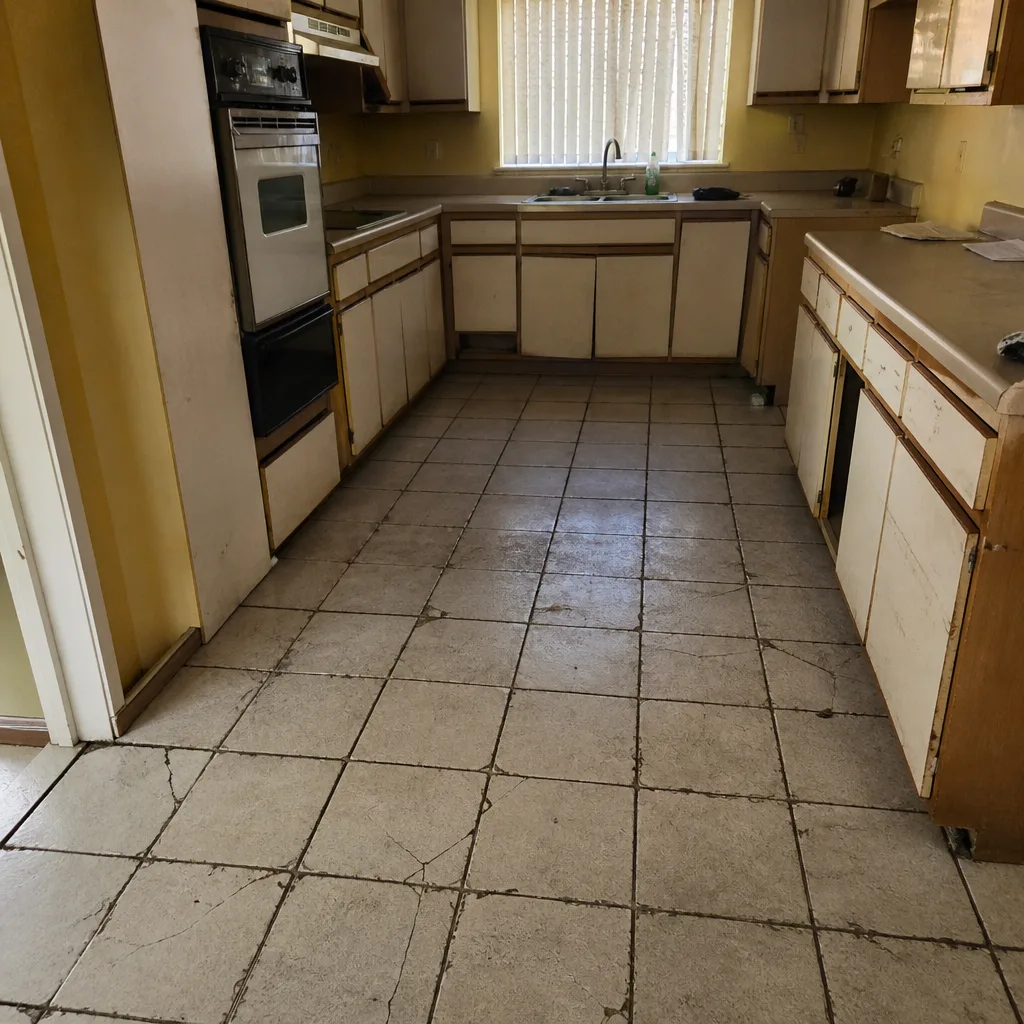 Before
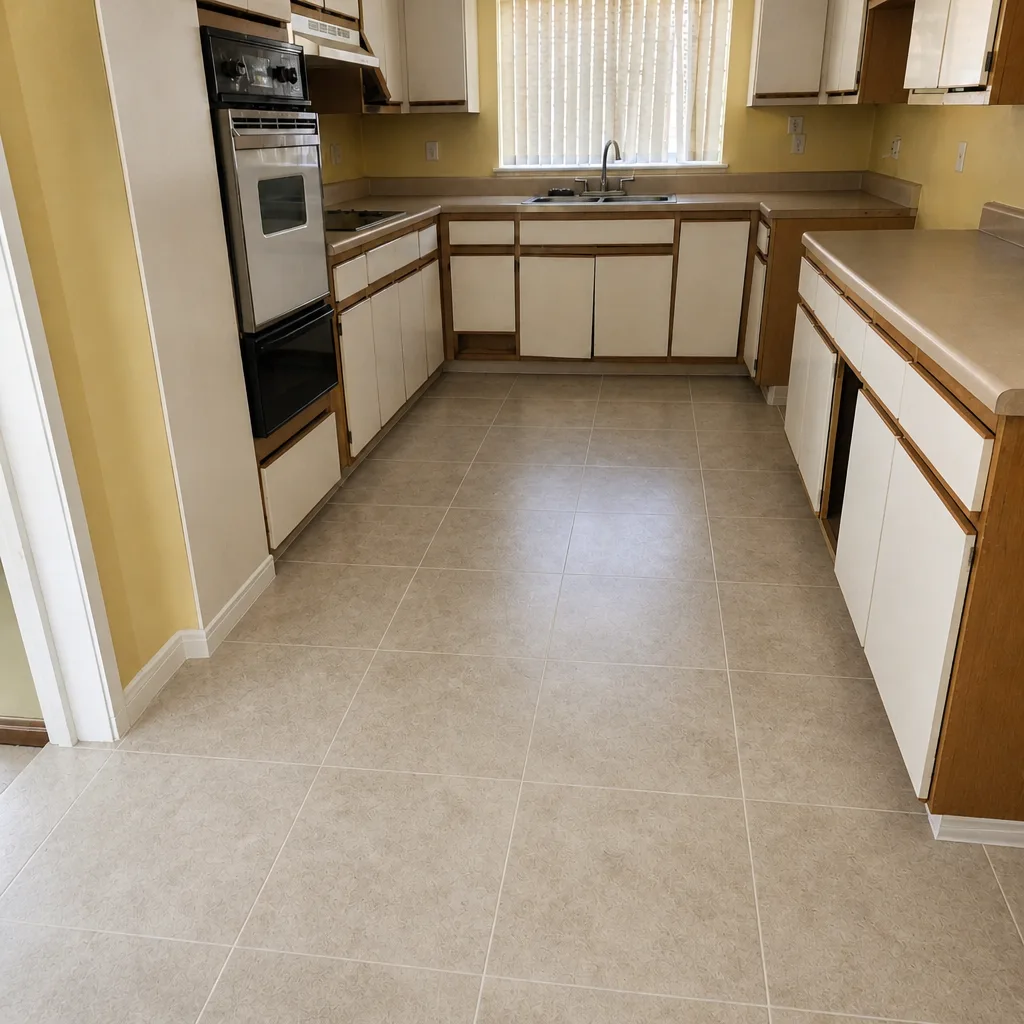 After
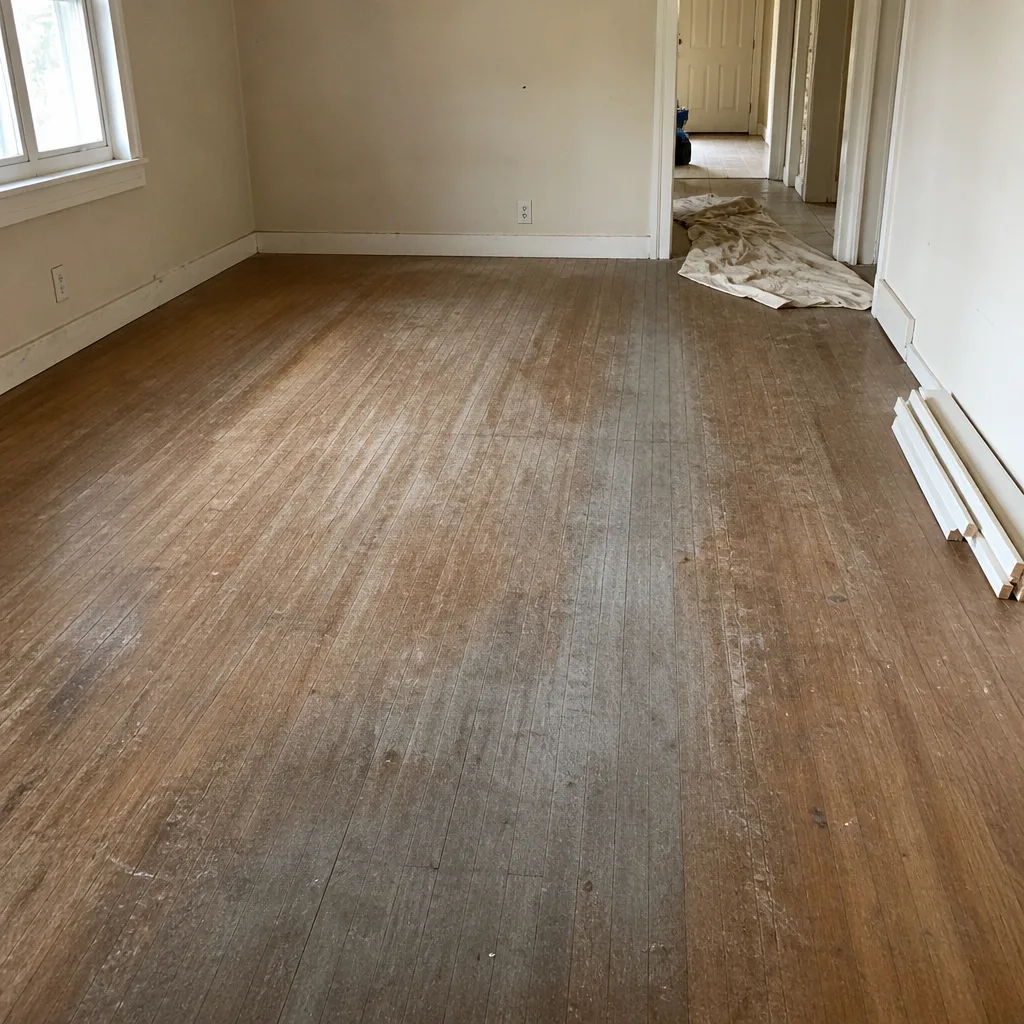 Before
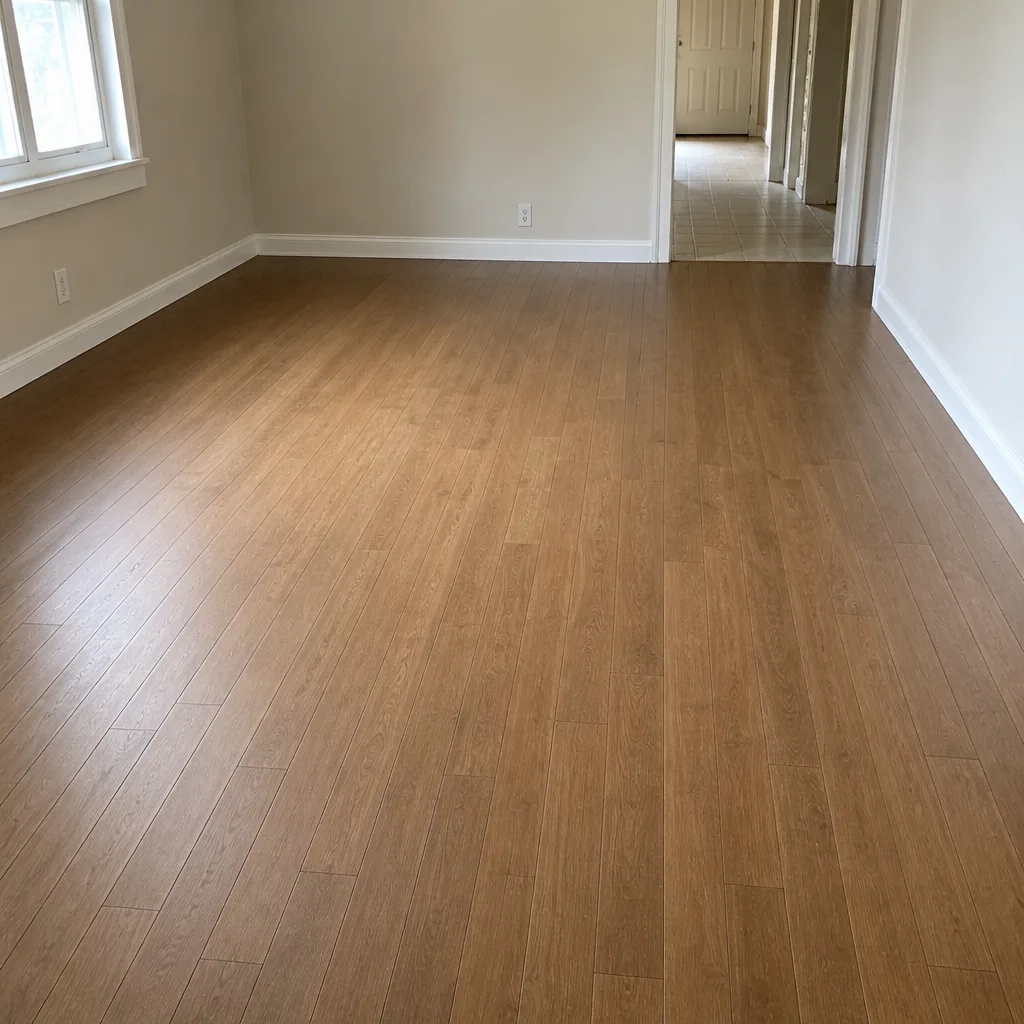 After
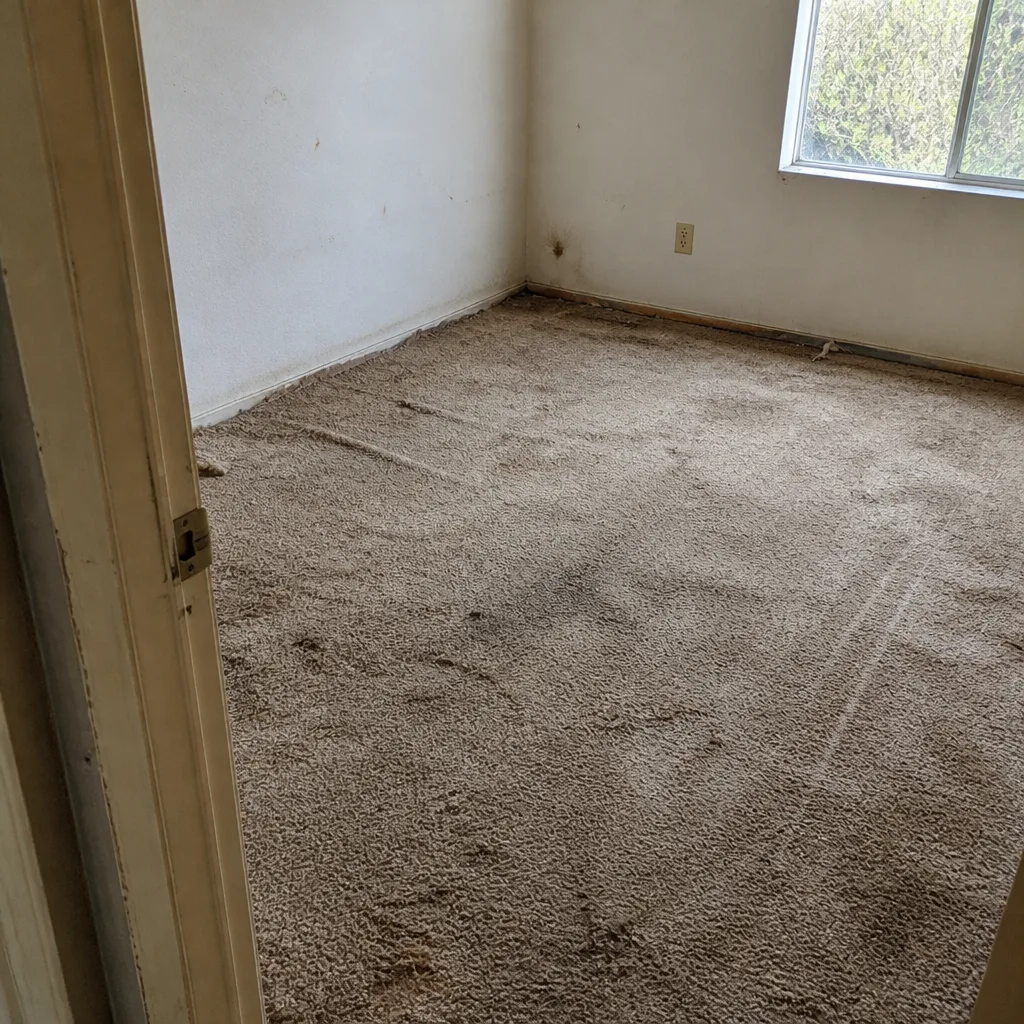 Before
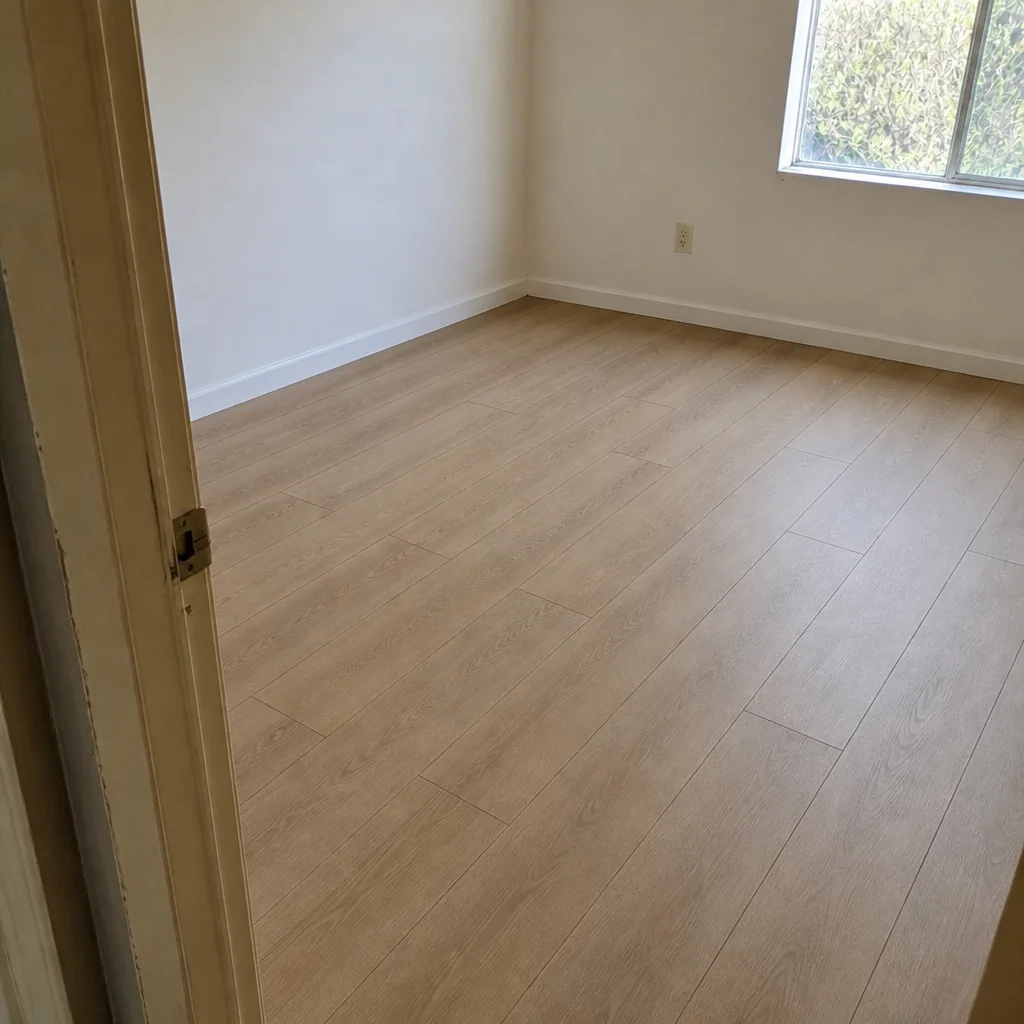 After
When to Call a Professional
Care handles everyday wear. Some situations need a pro. Call if a wood floor has worn through the finish to bare wood (refinishing may restore it; that depends on wood thickness and condition), if a resilient floor has a lifted seam or a bubble, if tile grout is cracking or efflorescence won’t stop returning, or if a carpet has a stain that won’t lift with spot treatment. Multi-room projects that mix carpet, tile and hardwood are easier with one contractor than coordinating three trades. Flooring Installation Spring Valley offers free estimates in Spring Valley. Call (844) 797-4453 to schedule yours. Our technicians have up to 13 years of experience, and we work across nine trusted brands, from Armstrong and Shaw to Daltile and Karndean, so the advice you get matches the floor you have. The estimate is free and the price is set per job by the written estimate.
Frequently Asked Questions
Dry-clean high-traffic areas every day or two and clean the whole floor weekly with the right cleaner for its type. Desert grit is abrasive, so dry dust-mopping or vacuuming matters more here than in humid climates; it removes grit before it grinds underfoot. Call (844) 797-4453 for an exact product recommendation for your floor.
Use a pH-neutral hard-floor cleaner. Many popular spray mop solutions are alkaline and leave a residue that dulls the wear layer. Check the label for a plain “pH neutral” claim, and skip products labeled heavy-duty or degreaser. Call (844) 797-4453 if you’re not sure what’s safe on a COREtec, LifeProof, Karndean or Mannington floor.
Answer-first detail: read the floor-type line on the bottle and match it to the product.
No. Steam forces moisture into seams and edges, which is where swelling and lifting start on hardwood, laminate and luxury vinyl. Wipe with a barely damp microfiber pad instead. Call (844) 797-4453 for a specific care routine for your floor type.
Yes. Unshaded desert sun fades finishes and can yellow or shift the color of light-toned vinyl and laminate. UV-blocking window film plus shades or drapes during strong sun is the practical fix; no finish survives unshaded desert sun indefinitely. Call (844) 797-4453 to talk through which products hold color best for a sunny room.
Clean grout with a neutral-pH cleaner, rinse with clean water, and wipe dry rather than letting water air-dry. That stops the mineral haze. For white powdery deposits (efflorescence), use a product made for it and have moisture checked if it keeps returning. Call (844) 797-4453 for grout care advice tied to your specific tile.
Skipping entry mats and letting grit and sun hit the floor unprotected. Use an outside mat plus a long inside mat, add UV protection to sun-facing glass, and put wide felt pads under heavy furniture. These few habits decide how the floor looks at year five. Call (844) 797-4453 for a free estimate on any flooring project.
The Bottom Line
New flooring in Spring Valley holds up when you match the cleaner to the surface, dry-clean before you damp-mop, and protect the floor from the two forces that wear it fastest here: alkaline desert grit and unshaded sun. Use neutral-pH cleaners on vinyl, laminate and sealed tile, wood-specific cleaner on hardwood, and low-moisture cleaning on carpet. Put real mats at every entry, use wide felt pads under furniture, and test grout sealer in wet rooms. Get those basics right in the first year and the floor will look new for far longer. If you’re choosing a floor or ready to restore one, we can help you decide what’s right for the room.
Call (844) 797-4453 for a free estimate. We answer 24/7. Fast dispatch from 7am to 7pm, Sunday through Friday. Nine brands, one installer, and a written estimate that sets the final price. Whether you’re starting fresh with carpet installation, planning tile flooring installation, or weighing a refinish on existing wood, we’ll walk you through the options room by room. Reach us at Spring Valley today and let’s plan your project.
Written by the team at Flooring Installation Spring Valley.