
Last updated November 17, 2026
 Hardwood
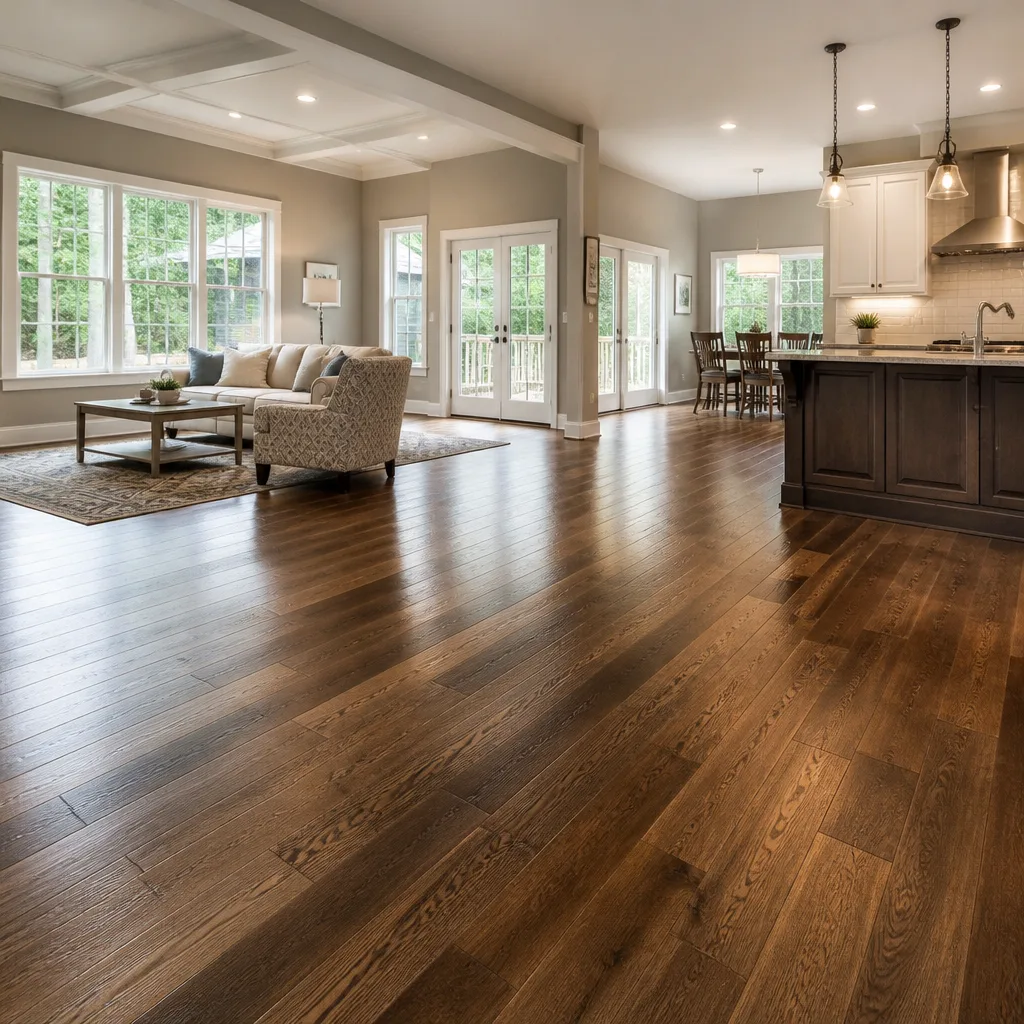 Engineered hardwood
 Luxury vinyl plank
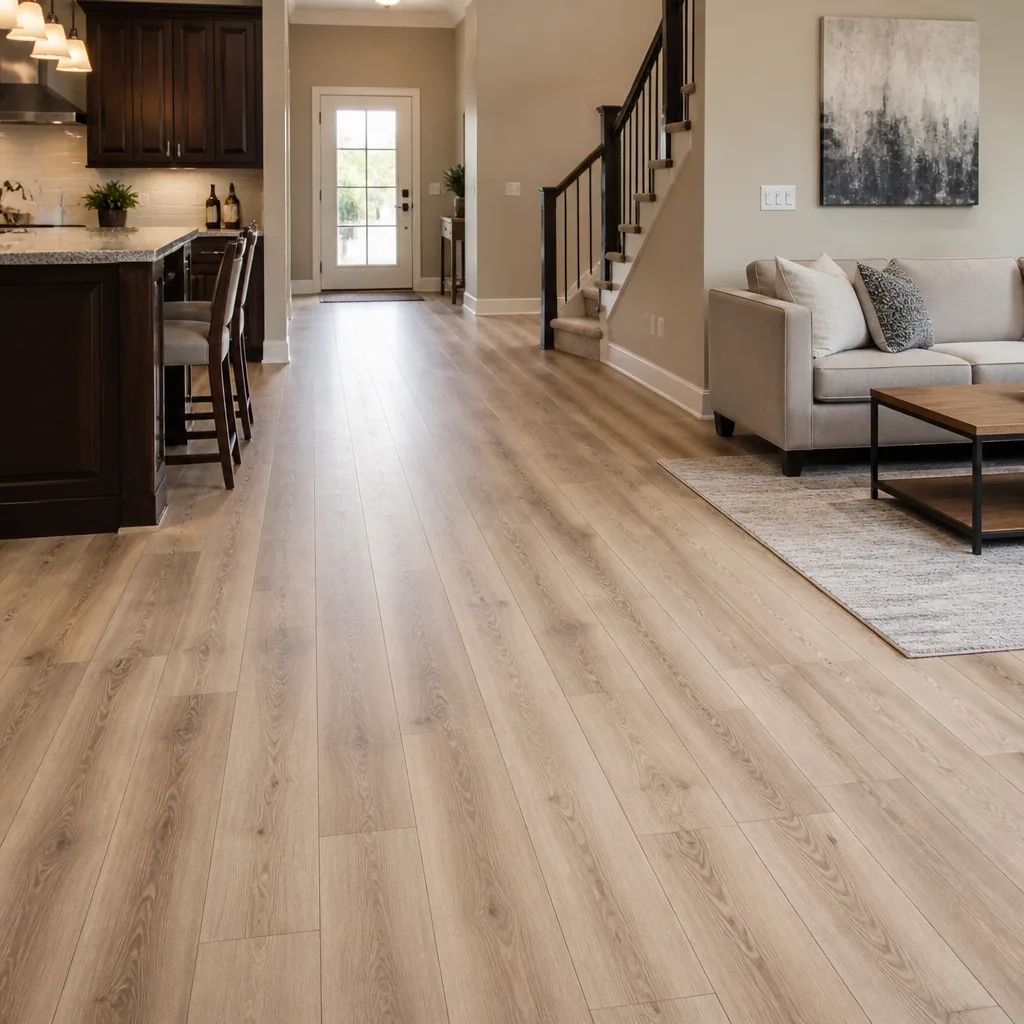 Laminate
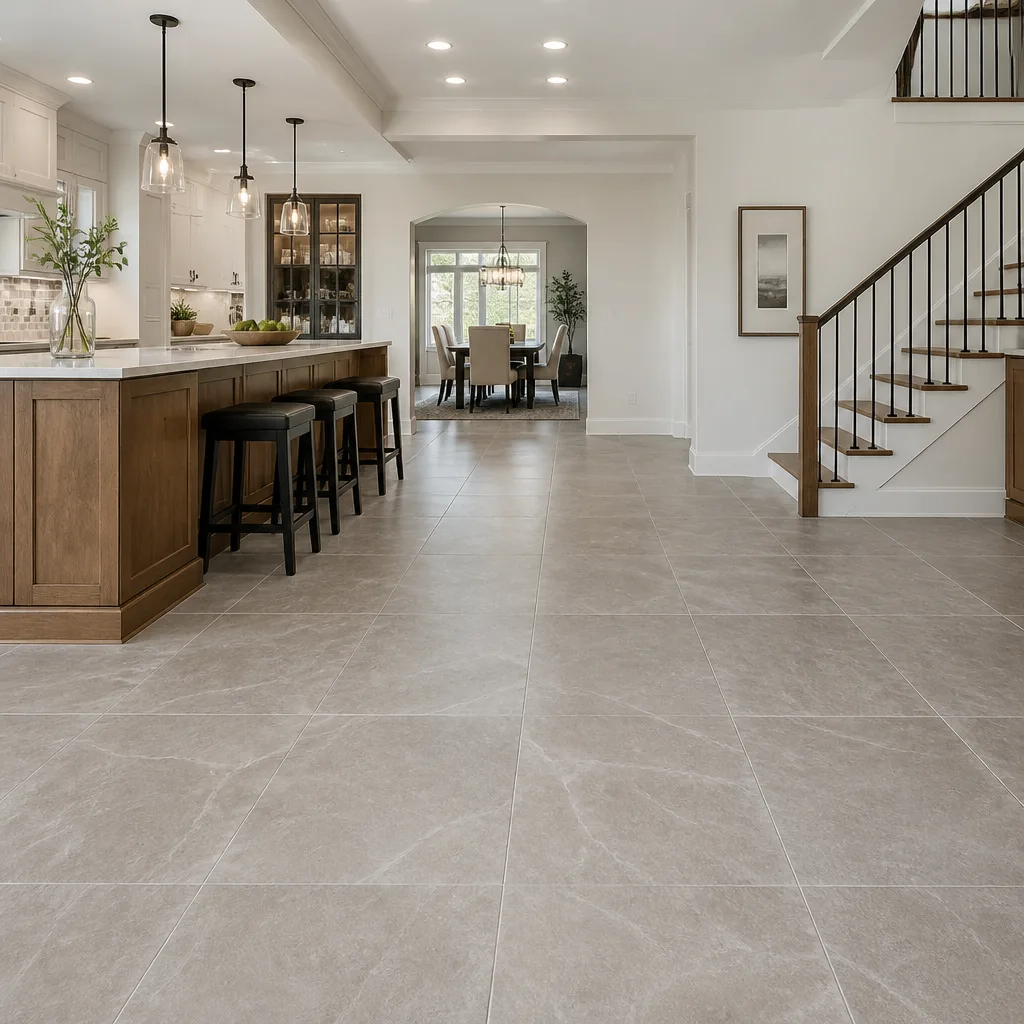 Porcelain tile
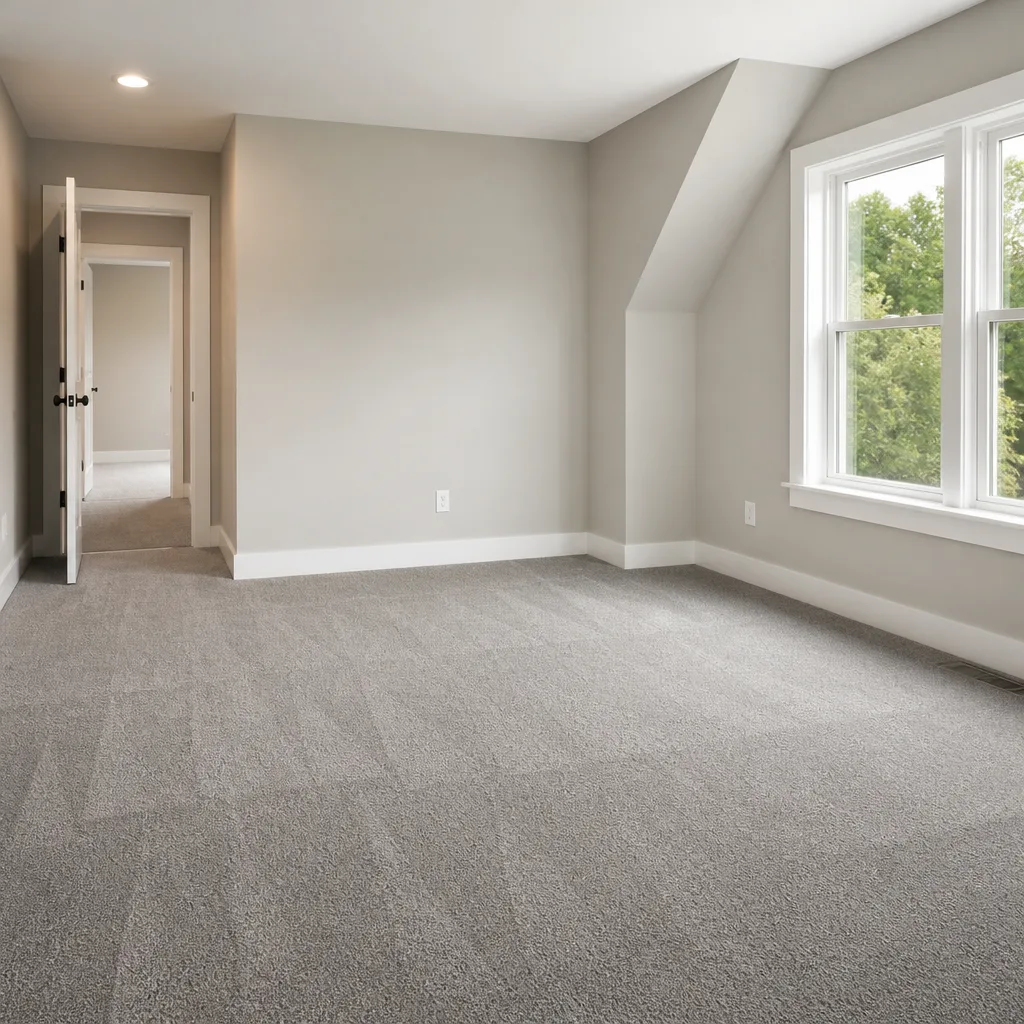 Carpet
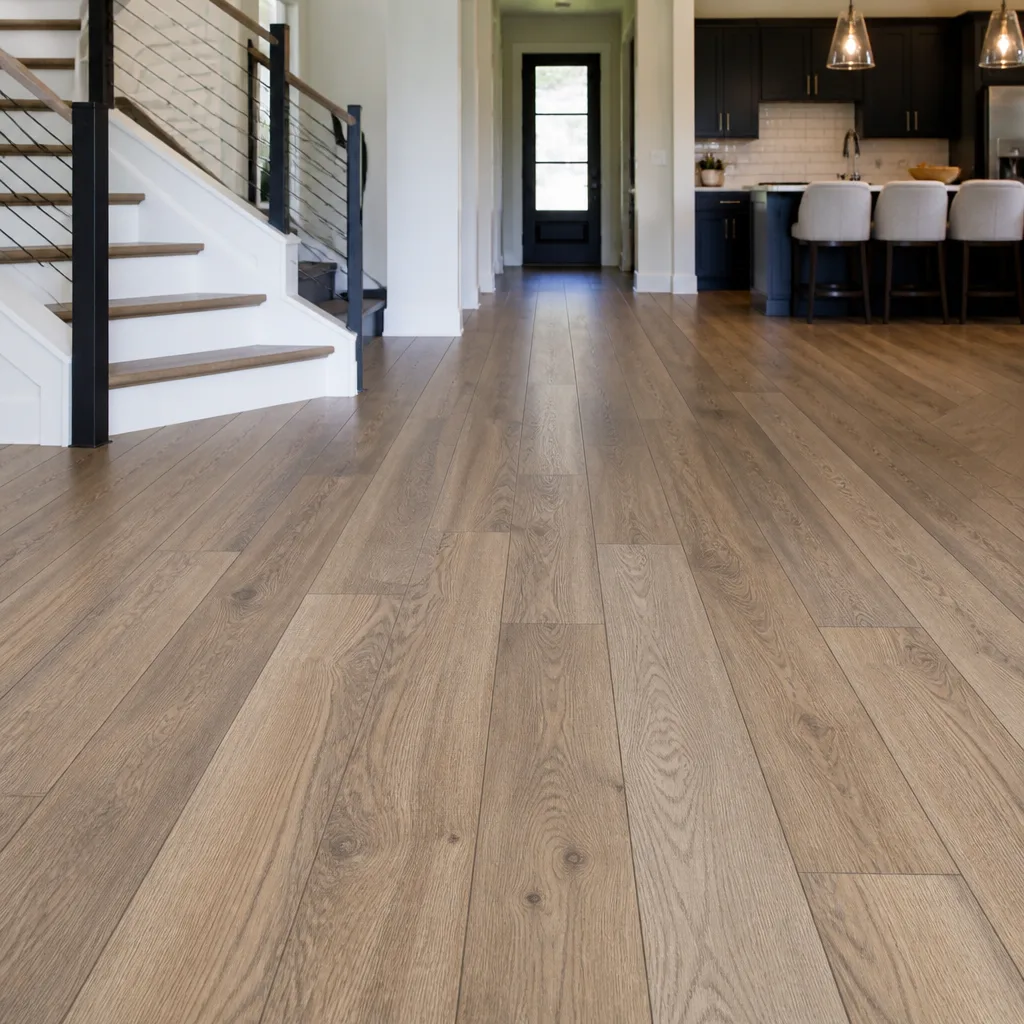 Shaw
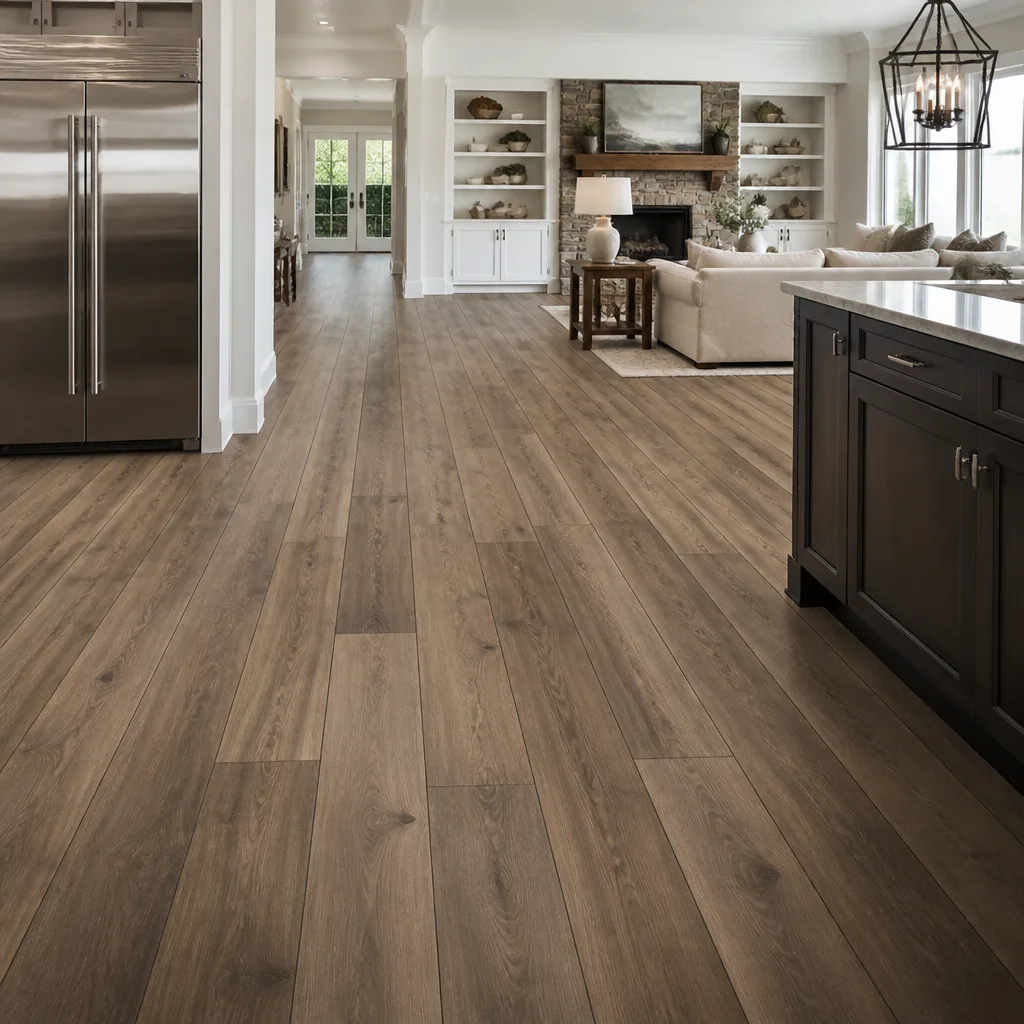 Mohawk
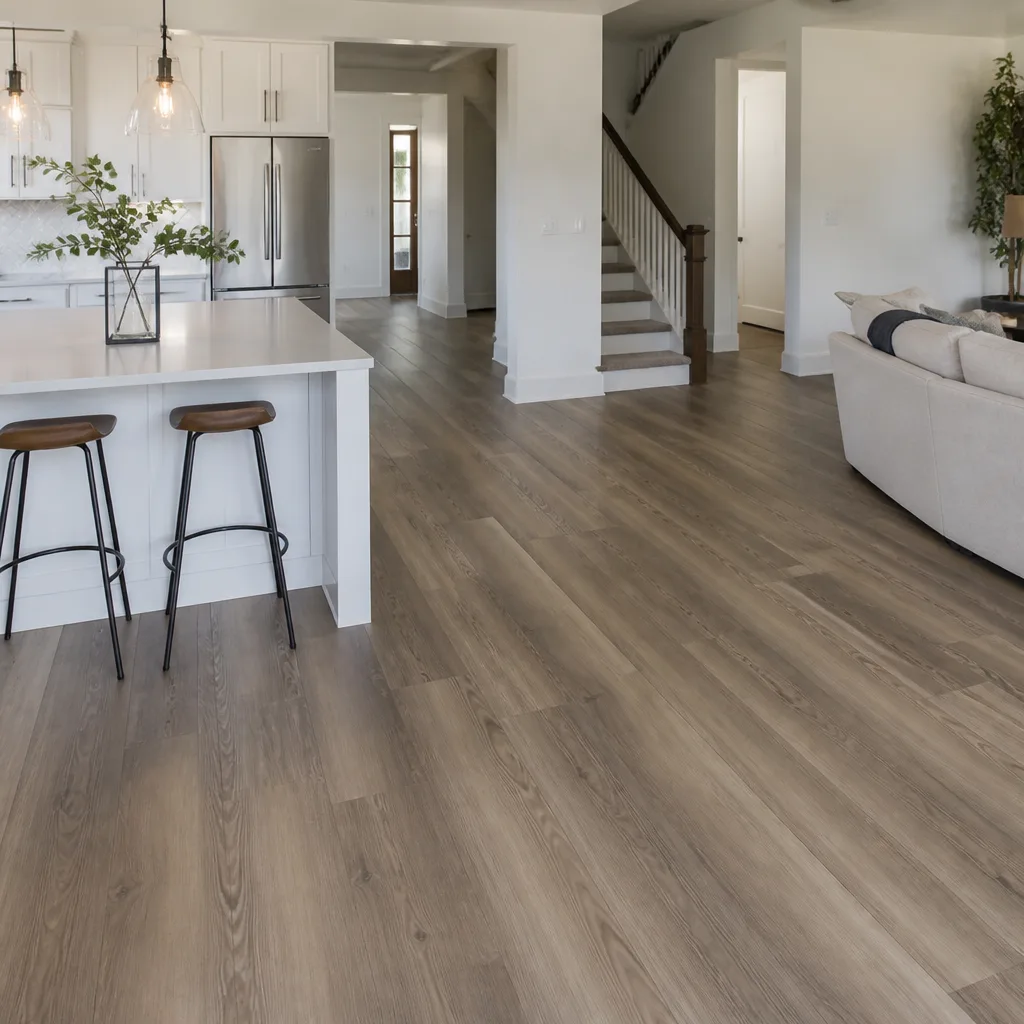 COREtec
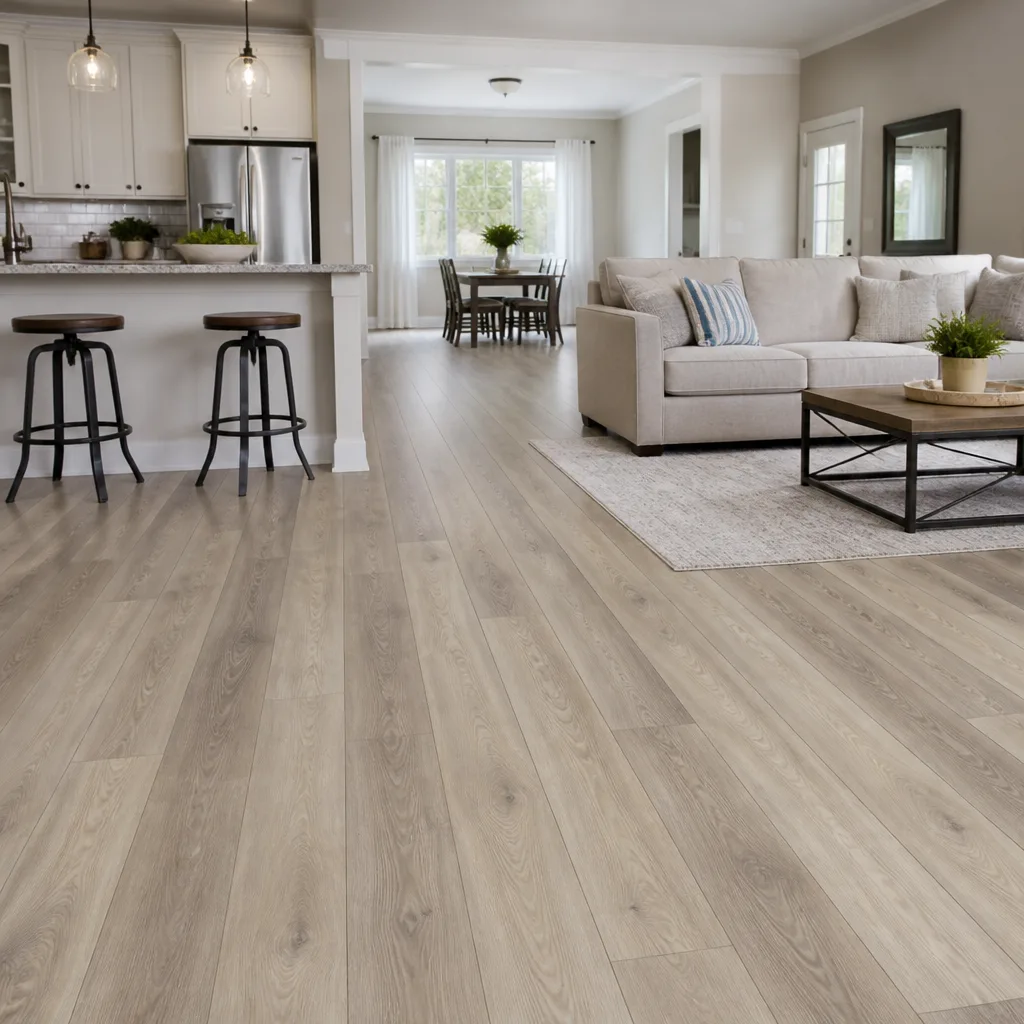 Pergo
Free in-home measure and written estimate: Shaw, Mohawk, COREtec and Pergo lines compared on your own rooms, with carpet, tile, vinyl plank, laminate and hardwood laid out side by side
Get your free estimateFlooring Installation Questions to Ask Before You Sign
Any contractor can answer “are you licensed and insured?” correctly. The question that actually separates a flooring specialist from a tile-and-grout moonlighter is: “What moisture reading would cause you to pause the LVP installation on this slab, and what would you recommend instead?” Most can’t answer it. That gap is where flooring projects succeed or fail, and it has nothing to do with how polished the sales pitch was. This guide gives you the technical questions worth asking before you sign, the answers that should reassure you, and the ones that should send you looking elsewhere. We’re writing it from Spring Valley, where slabs, dry air, and hard water leave their own marks on a floor.
Quick Answer
The questions that matter most before you sign a flooring contract are technical, not administrative: how the installer assesses your subfloor, how they probe the specific product being quoted, how mid-job surprises get priced, what documentation you get at close, and who answers the phone if a plank fails at month eight. A flooring specialist answers these with specifics about moisture, flatness, and product behavior. A generalist answers them vaguely and steers the conversation back to price.
Styles & brands we work with
- Hardwood
- Engineered hardwood
- Luxury vinyl plank
- Laminate
- Porcelain tile
- Carpet
- Shaw
- Mohawk
- COREtec
- Pergo
Table of Contents
- Five Subfloor Questions That Reveal Real Field Experience
- Product-Specific Questions: Probing the Brand Being Quoted
- Contract Questions That Protect Your Investment
- Scheduling and Crew Questions: Who Actually Shows Up?
- The Question Most Homeowners Forget: Debris and Prep
- Why Spring Valley Homes Ask Different Questions
- Common Mistakes to Avoid
- Frequently Asked Questions
Five Subfloor Questions That Reveal Real Field Experience
The subfloor is where flooring installations are won or lost, and it’s the topic a real specialist can talk about for an hour without repeating themselves. Ask these five questions at the estimate visit and listen less to the words than to the specificity.
- “How will you check moisture in this slab before you install?” A specialist names a method (a moisture meter, a calcium chloride test, or a mat test under plastic) and says what they’d do if readings were concerning. A generalist says “we’ll check it” and moves on.
- “What flatness issue would make you recommend leveling compound here?” Real answers reference how a product’s locking system behaves over dips and humps, and how much tolerance the manufacturer allows. Vague answers like “we always prep” tell you nothing.
- “Have you seen adhesive residue or old leveling compound cause problems on a job like this?” Experience shows up in the specifics: how residue gets scraped or ground, how old compound gets tested, how a new layer bonds (or doesn’t) to what’s underneath.
- “What’s the plan if you pull up the old floor and find damage underneath?” The right answer includes pausing, showing you photos, and a written change order before proceeding. The wrong answer is “we’ll handle it.”
- “How do you handle a floor that sits over a crawl space or a slab-on-grade?” In Spring Valley, most homes are on slab, and a specialist who understands how slab moisture behaves differently from a wood subfloor will tell you so.
What should concern you: answers that stay abstract, tech talk with no decisions behind it, or a quick pivot to “don’t worry, we do this all the time.” A specialist is comfortable saying “it depends” and then explaining what it depends on.
Product-Specific Questions: Probing the Brand Being Quoted
You don’t need to become an expert in COREtec or Karndean to protect yourself. You need to ask questions specific enough that only someone who works with the brand regularly can answer them well.
- Locking system behavior: “How does this product’s locking system handle a room with a slight slope?” A specialist describes how the planks engage, where they’d start the layout, and where expansion gaps go. A generalist describes the color.
- Acclimation: “What does the manufacturer say about acclimating this product in this house, and how will you follow it?” The answer should reference the product instructions and your home’s conditions, not a scripted number of days.
- Warranty pathway: “If a plank fails at month eight, what’s the process?” A real answer covers documentation, who contacts the manufacturer, what evidence (photos, receipts, install records) is required, and how your installer supports the claim. Our approach is to install and service the floor you choose, then stand behind the workmanship side of the equation.
- Product family knowledge: “What’s the difference between this line and another in the same brand?” For LVP specifically, ask about COREtec or LifeProof and see whether the answer includes water resistance, wear considerations, and where each product suits a room. No floor is fully waterproof; standing water and moisture from below still need to be dealt with.
- Category fit: “Would you put this in a kitchen, a bathroom, a rental?” Listen for how the answer maps product to room rather than price to margin. A recommendation driven by use case (moisture, traffic, kids, pets) is a good sign.
Our own portfolio spans nine brands, including Shaw and Mohawk for carpet, COREtec, LifeProof, and Karndean for luxury vinyl, Daltile for tile, and Mannington across categories. That breadth matters less as a sales list and more as evidence: we can match the recommendation to your room instead of steering you toward the one product line we carry.
Contract Questions That Protect Your Investment
This is the unglamorous part, and it’s the difference between a remodel and a dispute. Ask these before the pen comes out.
- “How is subfloor discovery priced?” The written estimate should state the base scope and describe how changes get quoted: photos shown to you, a change order, your approval, then work continues. If the answer is “we’ll figure it out,” get it in writing or walk.
- “What do I receive at project close?” Expect a written record of what was installed, the products and quantities used, and photos of the progress. Ask specifically how your records will be kept in case you need them later.
- “Who do I call if a plank fails at month eight?” You want a name of a company, a phone number, and a clear process, not “the manufacturer handles it.” Your installer should be the first call and the one who walks you through the warranty path.
- “Does this estimate include removal and disposal of the old floor?” A written quote that leaves this out isn’t a lower price, it’s an incomplete one. Confirm what’s included.
- “What does the price not include?” A specialist answers this without hesitation. Furniture moving, baseboard removal, leveling compound over discoverable unevenness, and door trimming are common items to clarify in writing.
An estimate that’s free and written, with a scope you can read, is your baseline. If any of these questions produce discomfort rather than answers, that discomfort is the answer. Call us at (844) 797-4453 and we’ll walk you through the same list for your project.
Scheduling and Crew Questions: Who Actually Shows Up?
The person who sold you the job is not always the person running it, and “my crew” can mean a lot of things. Ask directly.
- “Will the person doing the estimate be managing the installation?” Continuity matters, especially on multi-room projects. When the estimator also runs the job, you get fewer handoff gaps and one person who knows your subfloor findings.
- “When you say ‘my crew,’ who are the people on site?” Good answers describe who manages the work and what experience they bring. Our technicians have up to 13 years of experience, and on a multi-surface project (carpet in the bedrooms, tile in the bath, hardwood refinished in the living area), they know how those trades overlap.
- “What does the daily schedule look like, and how will you notify me of changes?” Flooring is a scheduled job: a free in-home measure and estimate first, then a written price, then a booked install day. Agree on how updates reach you.
- “Which parts of this project are done by different trades, and who coordinates them?” A single contractor relationship across carpet installation, tile flooring installation, and hardwood refinishing removes the coordination risk of separate crews arriving on separate days.
- “Can you tell me the schedule at the estimate?” You should hear something specific about when the work is booked, not a promise about a fixed arrival time or a same-day install. The schedule is set at the estimate, and you’ll have a written date before any work begins.
One more: ask whether the same crew handles the entire install or whether it changes midway. A consistent crew makes a difference when a multi-room project spans both soft flooring and hard surfaces.
The Question Most Homeowners Forget: Debris and Prep
Old flooring leaves more behind than a dumpster of planks. Adhesive, staples, tack strips, and old leveling compound all affect the new installation, and the conversation about who handles what should happen before you sign.
- Removal: “Is removal of the existing floor included, and where does it go?”
- Adhesive residue: “How do you handle old adhesive or mastic on the subfloor?”
- Old leveling compound: “Will you test what’s under the old compound before you touch it?”
- Prep overage: “If the subfloor is worse than expected, how is the extra prep priced?”
- Disposal: “What happens to the old floor and debris at the end of each day?”
For hardwood refinishing specifically, ask what happens to dust and to the existing finish during sanding. A refinishing project that isn’t planned well will leave the rest of the house dusty for weeks. Restore what’s there before you replace it: when a wood floor is thick enough and sound, a refinish is often the smart alternative to a new installation, and the estimate visit is where that gets decided.
On the debris front, the single most important line in your contract is the one about how surprises are handled. Written estimate first, photos of the discovery, change order, then work continues. If a contractor skips that sequence, your budget isn’t protected.
Why Spring Valley Homes Ask Different Questions
Every market leaves its fingerprints on flooring, and Spring Valley is no exception. Homes here sit in a dry desert valley, and the way flooring behaves follows from that. Slabs can hold moisture that never shows up as a puddle. Hard water leaves mineral residue that affects tile grout and adhesive bond. Summer heat gets under doors and against south-facing windows, and some flooring products move more than others under those conditions. Dust from open windows and nearby construction settles into every corner of a home.
That shapes the questions worth asking in Spring Valley:
- Slab moisture: “How often do you test slab moisture in this part of Spring Valley, and what would change your installation plan?”
- Heat exposure: “How does this product behave in rooms with strong west or south sun exposure?”
- Carpet and dust: “What should I know about carpet construction for a home that sees a lot of dust?” A Spring Valley home with pets and open windows asks more of carpet than the sales tag suggests.
- Tile in dry heat: “How do you account for expansion in a tiled room that gets hot in summer?”
None of this is exotic. It’s what local installers who pay attention notice, and what a specialist who’s worked here for a while will bring up unprompted. If a contractor doesn’t mention slab moisture at your estimate, that’s your signal. Our technicians have up to 13 years of experience and know how a Spring Valley slab tends to behave. Book a free estimate and we’ll walk your home and talk through it.
Questions About the Estimate Itself
An estimate is a document, not a conversation, and the difference matters. Ask what form the estimate takes (written, itemized, signed), what the validity period is, and whether the number is a quote or an allowance.
- “Is this estimate itemized?” You want to see product, labor, and prep as separate lines.
- “Is it a fixed quote or an allowance?” A fixed price protects you. An allowance opens a variable.
- “How long is this estimate valid?” Product and labor costs shift, so a validity window is normal. What’s not normal is an estimate you can’t put your hands on.
- “Is the estimate really free?” Ours is. There’s no charge to have us out to measure and price the work. The written estimate sets the final price, and nothing is locked in until you sign it.
Ask for the estimate in writing even if the contractor gives you a verbal number first. Compare two or three written estimates on the same scope. A cheaper verbal number isn’t a lower price; it’s an incomplete quote waiting to grow.
Questions About Product and Room Fit
Before you commit to a floor, ask whether it belongs in the room you’re picturing. A specialist will answer in terms of use case (kids, pets, moisture, traffic) rather than the sales tier.
- “Would you put this in a bathroom? Why or why not?” Bathrooms are where water-resistant claims get tested. Expect nuance rather than a flat yes.
- “How does this hold up under pets and sandy feet?” Descriptive answers about durability and routine care tell you the installer has thought about your household.
- “What’s the difference between your value-tier and premium brands for the same room?” Pergo and Armstrong sit at one end, Karndean and COREtec at the other. A specialist can tell you what changes in feel, structure, and price tier without steering by margin.
- “Would you refinish my existing hardwood instead of replacing it?” If your floor is thick enough and structurally sound, refinishing can be the more cost-effective path. That decision gets made at the estimate visit, not on the sales floor.
A real specialist will tell you when the cheaper option is the better one. If every question leads to the most expensive product on the list, you’re talking to a salesperson. Reach out and we’ll talk through the right floor for the room.
Questions About Documentation and Follow-Up
The project isn’t over when the last plank goes down. What you receive at close determines how easily you can resolve a problem later, so ask.
- “What do I get at final walkthrough?” A written record of what was installed, product details, and photos of the progress.
- “Who keeps the records, and how do I get them if I need them?” This matters at month eight and at year eight.
- “If something comes up after installation, what’s the process?” A clear first call, a description of what gets inspected, and how a warranty claim is filed. Our role is to install and service the floor you choose, and to help you navigate the product side when a claim is warranted.
- “Do you document subfloor conditions at installation?” Photos of the subfloor before the floor covers it are useful evidence if moisture ever comes up later.
Ask the follow-up question too: “If I call in a year with a concern, who answers?” A real answer names a company and a phone number, not a shrug.
See the difference
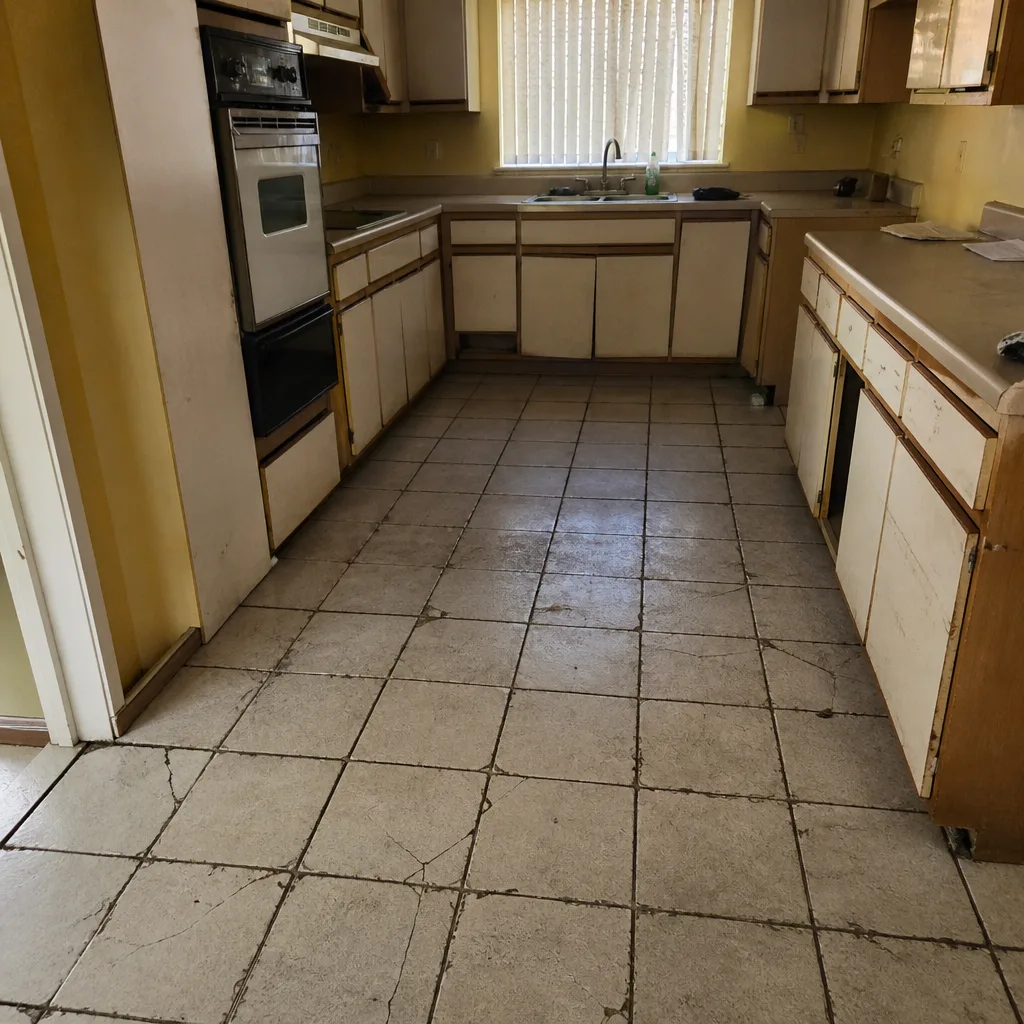 Before
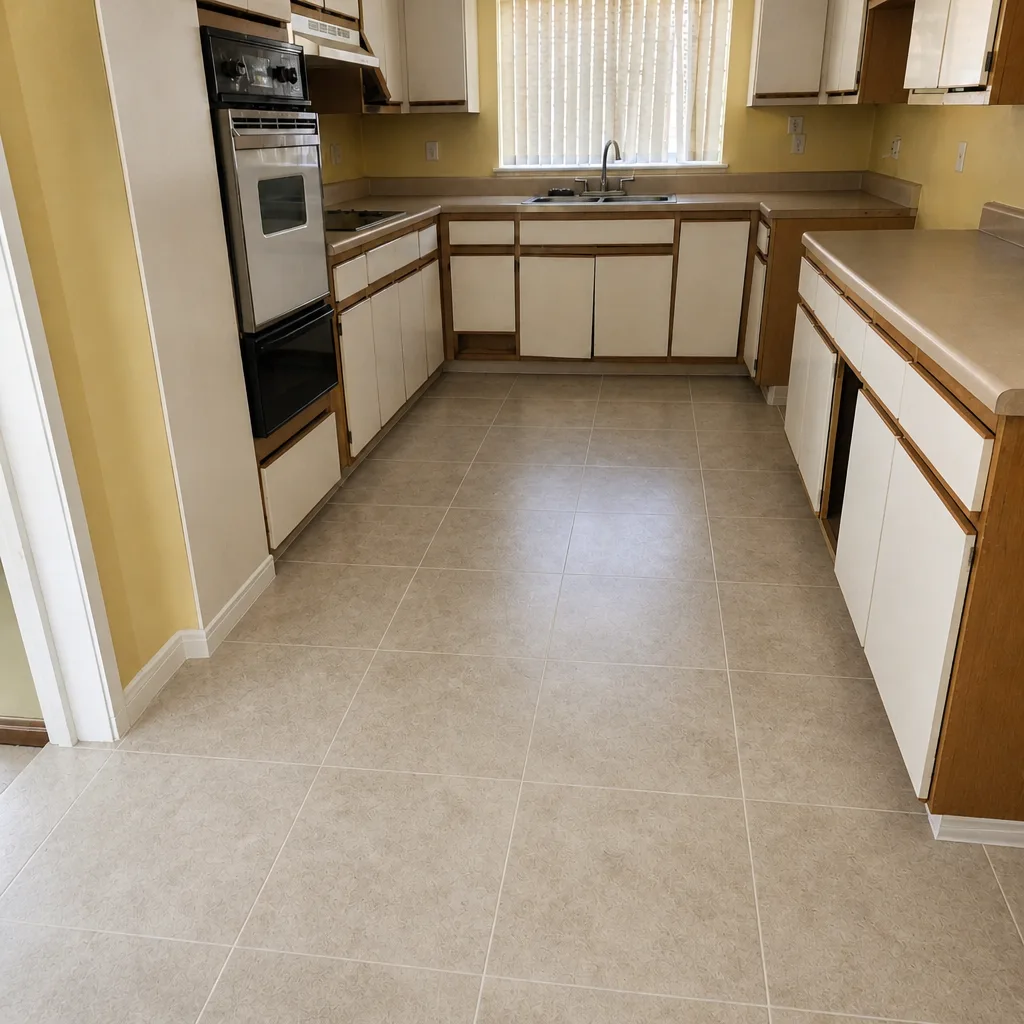 After
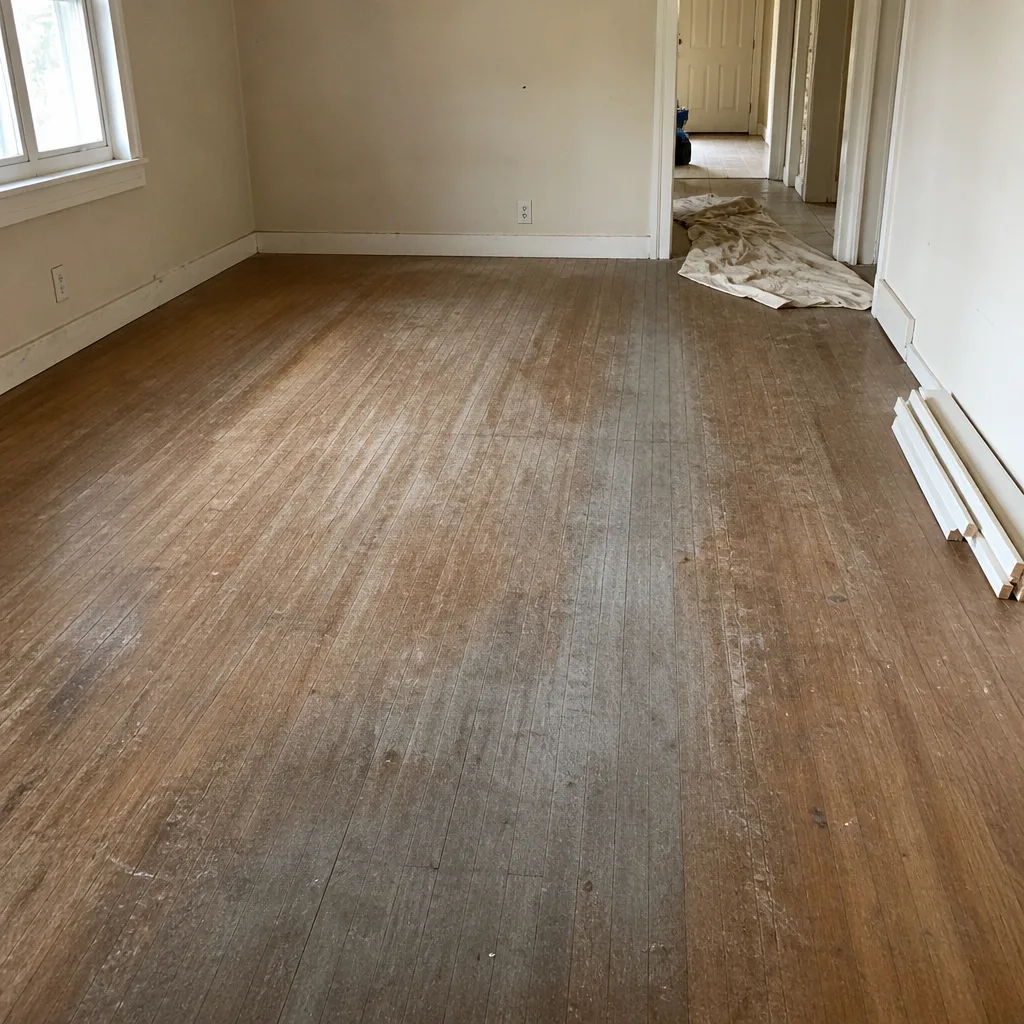 Before
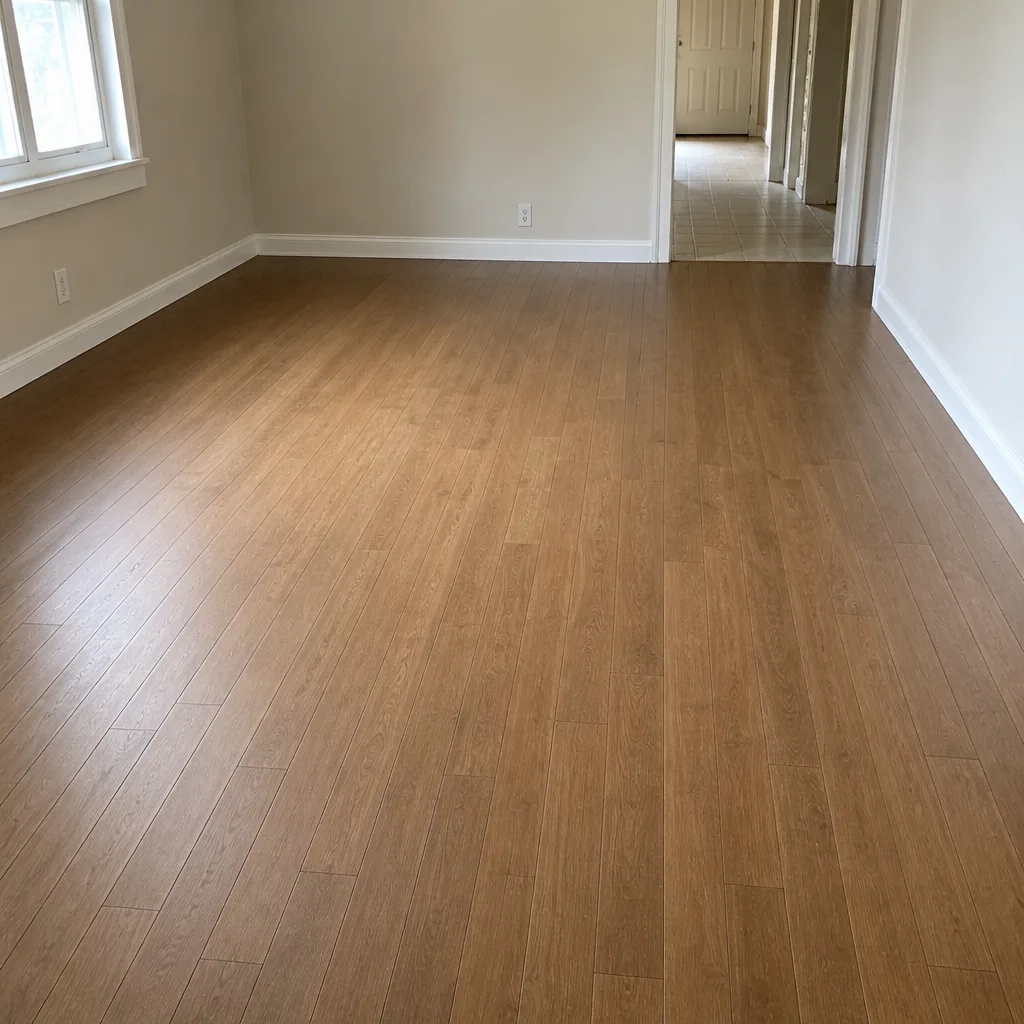 After
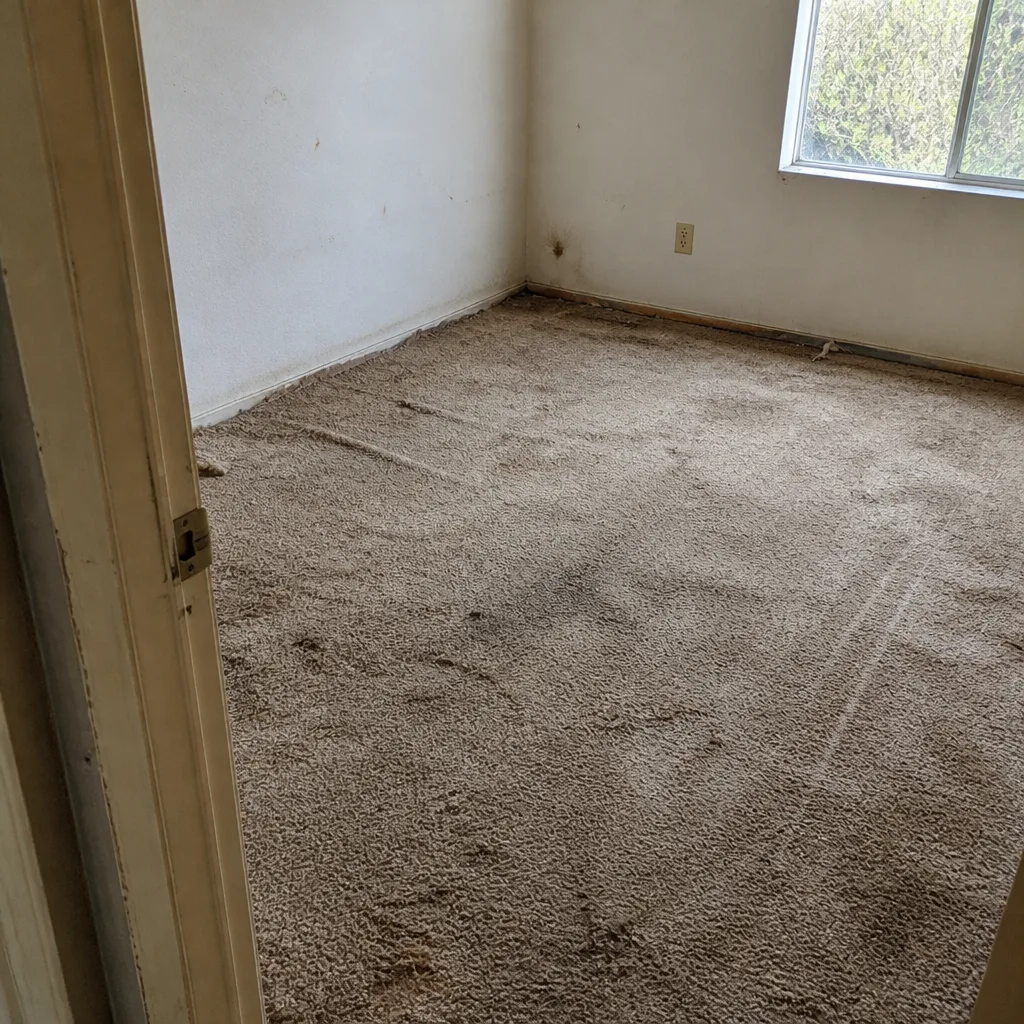 Before
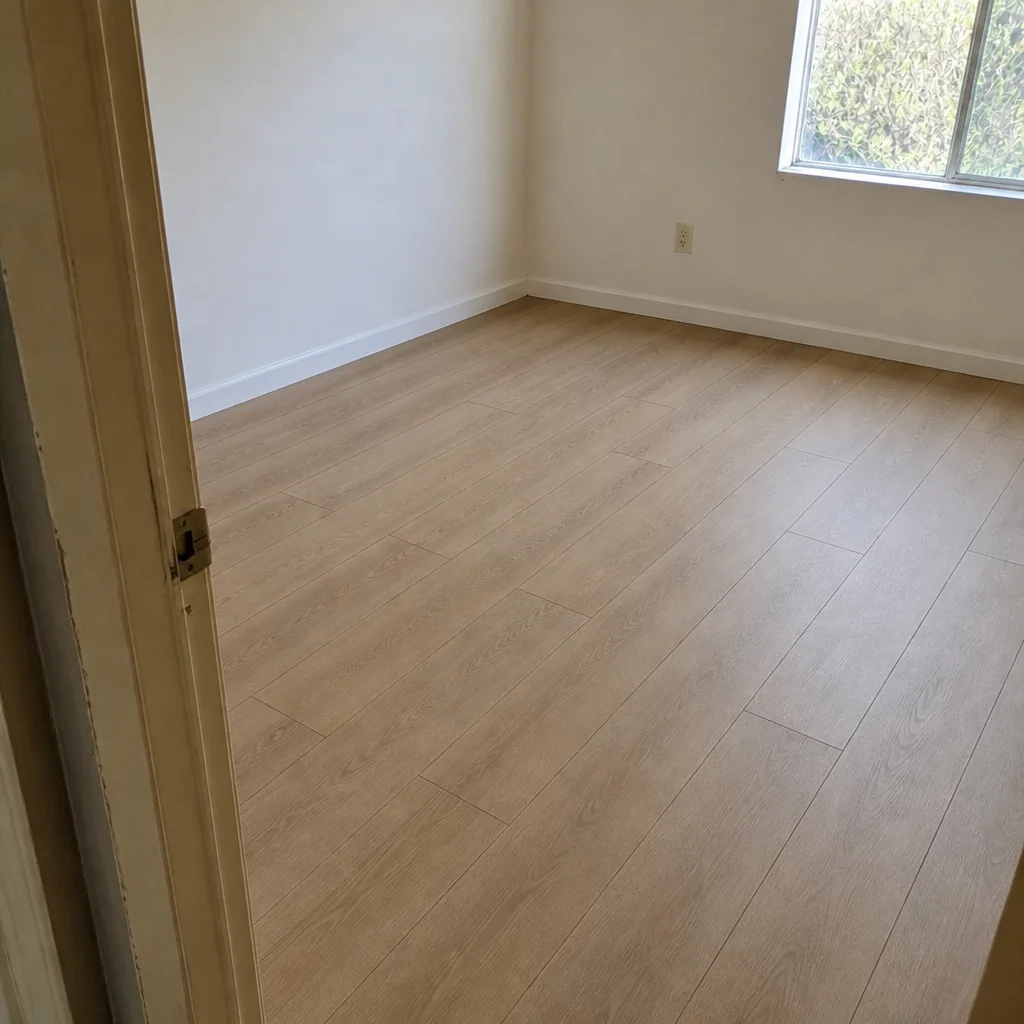 After
Common Mistakes to Avoid
- Asking only about licensing and insurance. Those are the floor of the conversation, not the ceiling. The technical questions in this guide separate a flooring specialist from a generalist.
- Comparing estimates without comparing scope. A quote that excludes removal, disposal, and leveling compound isn’t cheaper; it’s incomplete. Line up the two documents side by side before comparing totals.
- Skipping the subfloor conversation. In Spring Valley, slab moisture and flatness are the two conditions most likely to change an installation plan, and a skipped conversation about them can turn into a mid-job change order.
- Taking a verbal estimate as final. A written estimate sets the final price. If it isn’t written and signed, it isn’t fixed.
- Assuming “waterproof” means waterproof. No floor is fully waterproof. Water-resistant floors need standing water and moisture from below dealt with. Ask specifically what the product is rated for and what your installer would do if a leak happened.
- Not asking how mid-job surprises get priced. If the discovery process isn’t in writing (photos, change order, your approval), your budget isn’t protected.
- Ignoring who does the work. The person doing the estimate should be able to tell you who manages the install and what experience they bring. Our technicians have up to 13 years of experience, and you can ask the same of anyone you hire.
When to Call a Professional
Some flooring decisions are simple enough to price on a phone call. Most aren’t. Call a professional when you’re installing over a slab whose moisture history you don’t know, when a room handles water (bathrooms, laundry, kitchens), when the old floor has adhesive, staples, or old leveling compound underneath, or when a multi-room project spans carpet, tile, and hardwood refinishing at the same time. Call when your existing hardwood is thick enough that refinishing may beat replacement, and call when the scope of a job is unclear enough that getting it wrong would be expensive. Flooring Installation Spring Valley offers free estimates in Flooring Installation Spring Valley and across the surrounding area. Call (844) 797-4453. We answer 24/7. Fast dispatch from 7am to 7pm, Sunday through Friday.
Frequently Asked Questions
Ask five technical questions about the subfloor (moisture testing method, flatness tolerance, handling of old adhesive and leveling compound, mid-job discovery process, and behavior over slab-on-grade), then five product-specific questions about the brand being quoted, then contract questions about how discoveries are priced and what documentation you receive at close. A specialist answers these with specifics; a generalist stays vague. Call (844) 797-4453 to schedule a free estimate where we walk you through these on your actual project.
The tell is specificity about the subfloor and the product. A specialist names the moisture test they’ll use, explains how a product’s locking system behaves over a dip, and can describe the brand’s warranty claim pathway. A generalist says “we always prep” and steers back to price. In our experience, the right installer is comfortable saying “it depends” and then explaining what it depends on.
Yes. We come out, measure, inspect the existing floor and subfloor, and give you a written price with no charge for the estimate. The written estimate sets the final price. Call (844) 797-4453 to schedule yours.
Ask which test your installer uses (a moisture meter, a calcium chloride test, or a mat test under plastic) and what they’d do if readings were concerning. Most Spring Valley homes sit on slab, and slab moisture behaves differently from a wood subfloor. For LVP installations, moisture is a common reason an installer pauses and recommends a different floor. A specialist discusses this unprompted. Our technicians have up to 13 years of experience and will talk through what they find.
Call your installer first. The company that installed the floor should walk you through the product warranty pathway, help with the required documentation, and coordinate the fix. Before you sign, confirm which company answers that call, and what records you’ll have on hand. Call (844) 797-4453 for an exact quote on your project; estimates are free.
Often, yes. Whether refinishing is the right path depends on the thickness of the wood and its condition, which are checked at the estimate visit. When the structure is sound, refinishing is a more cost-effective path than a new hardwood installation, and we’ve built our services around that option. No stain is guaranteed to match a sample until the floor has been inspected. Call (844) 797-4453 to book a free estimate for the full range of flooring work we handle.
The Bottom Line
The questions that protect your investment are technical, not administrative. Ask about subfloor moisture testing, flatness tolerance, how old adhesive and leveling compound get handled, and what happens when a mid-job discovery appears. Ask product-specific questions about the brand being quoted: locking system behavior, acclimation, warranty claim process, and room fit. Ask who manages the install and what “my crew” means. Ask what you receive at close and who answers the phone at month eight. The answers you get during the estimate will tell you more than any brochure. If you want to run the list against a real Spring Valley project, our team is ready to walk your home and talk it through.
Call (844) 797-4453 to schedule your free estimate. We answer 24/7. Fast dispatch from 7am to 7pm, Sunday through Friday.
Written by the team at Flooring Installation Spring Valley.