
Last updated November 17, 2026
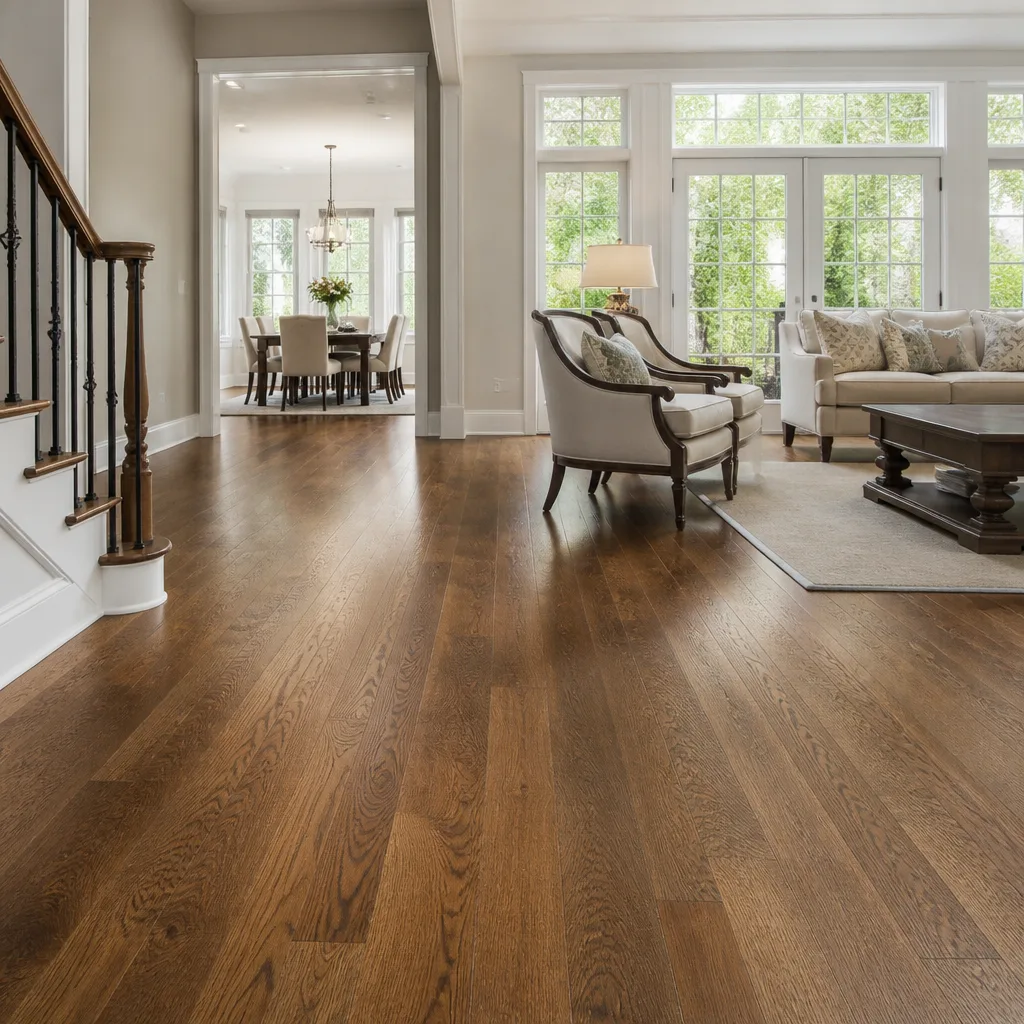 Hardwood
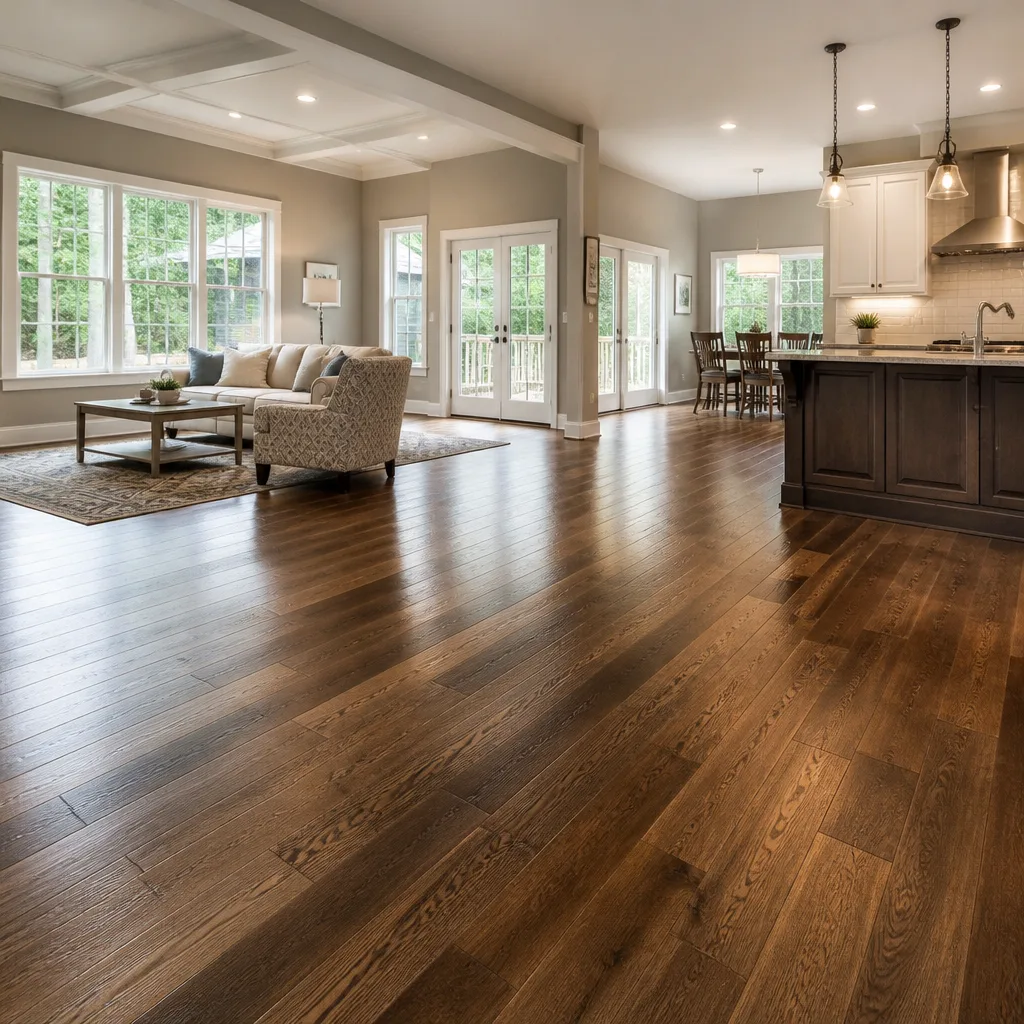 Engineered hardwood
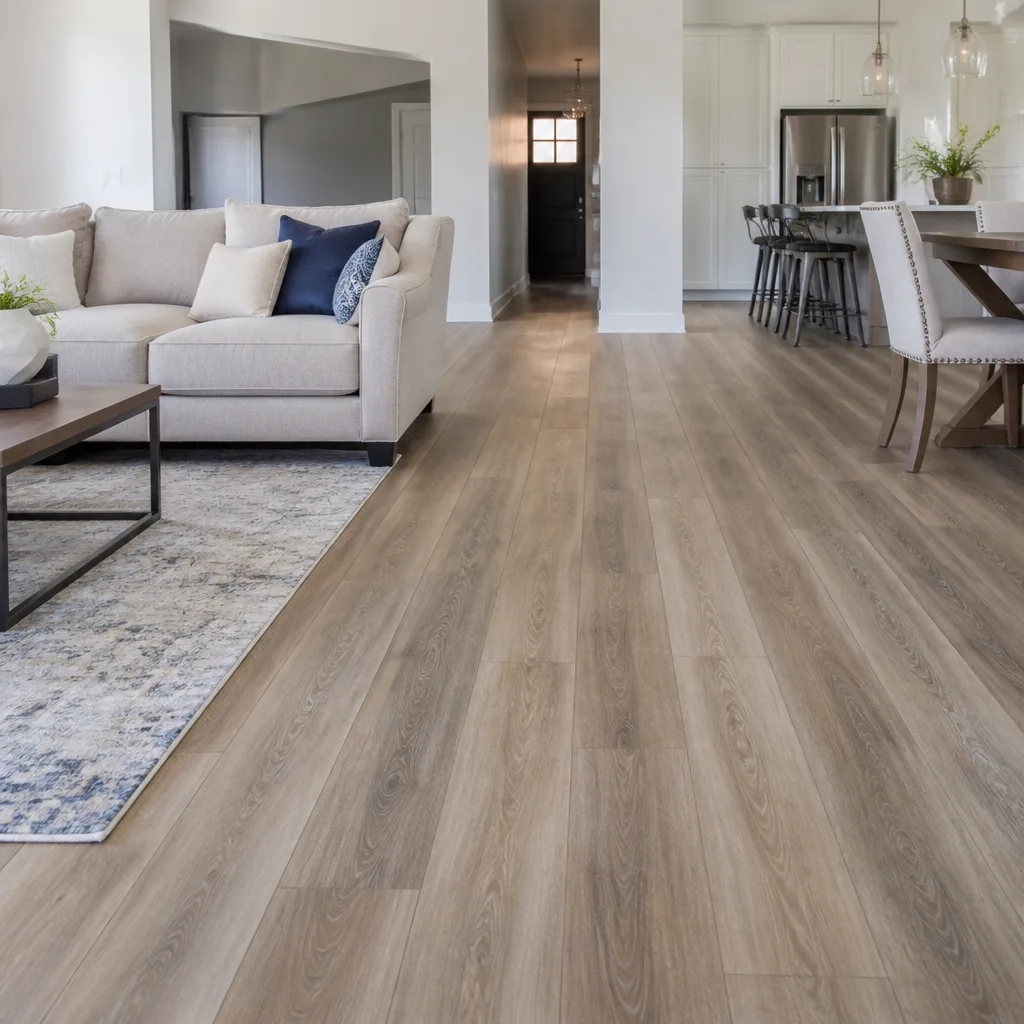 Luxury vinyl plank
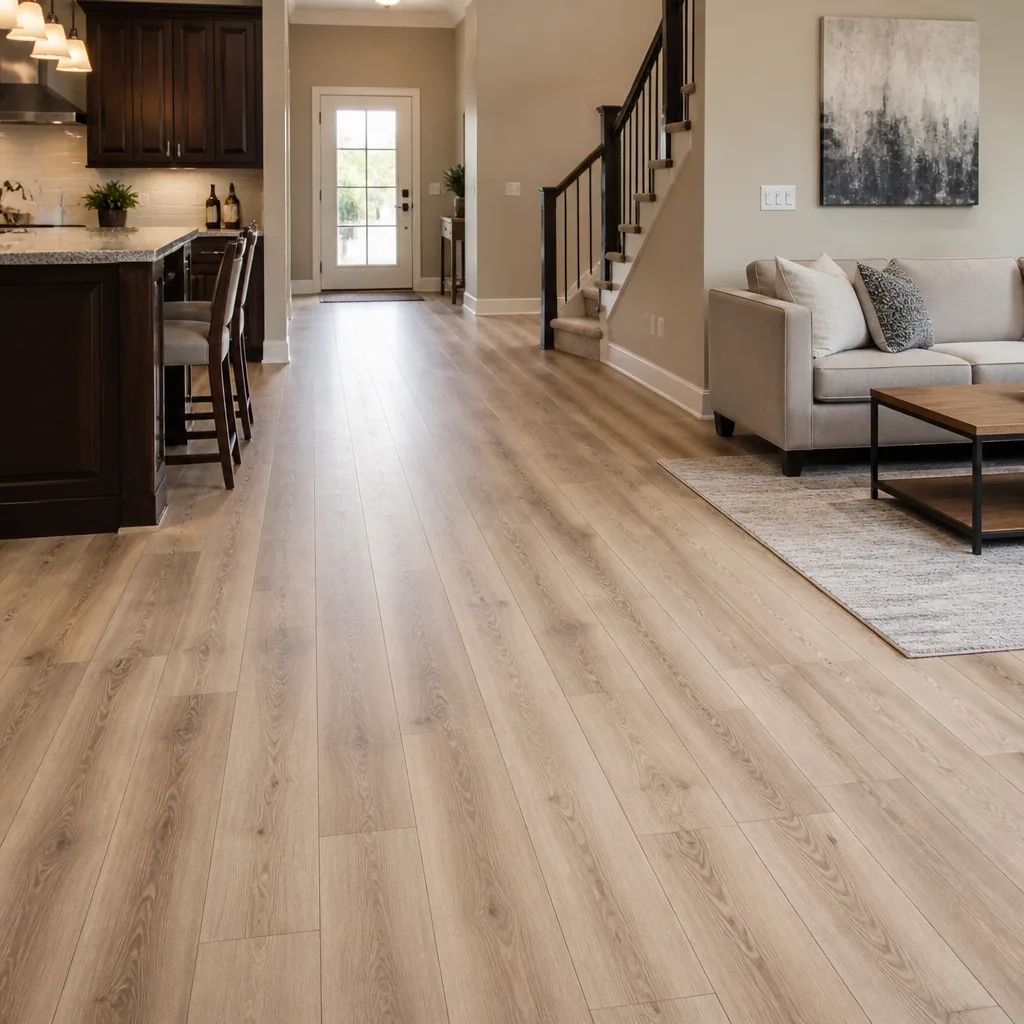 Laminate
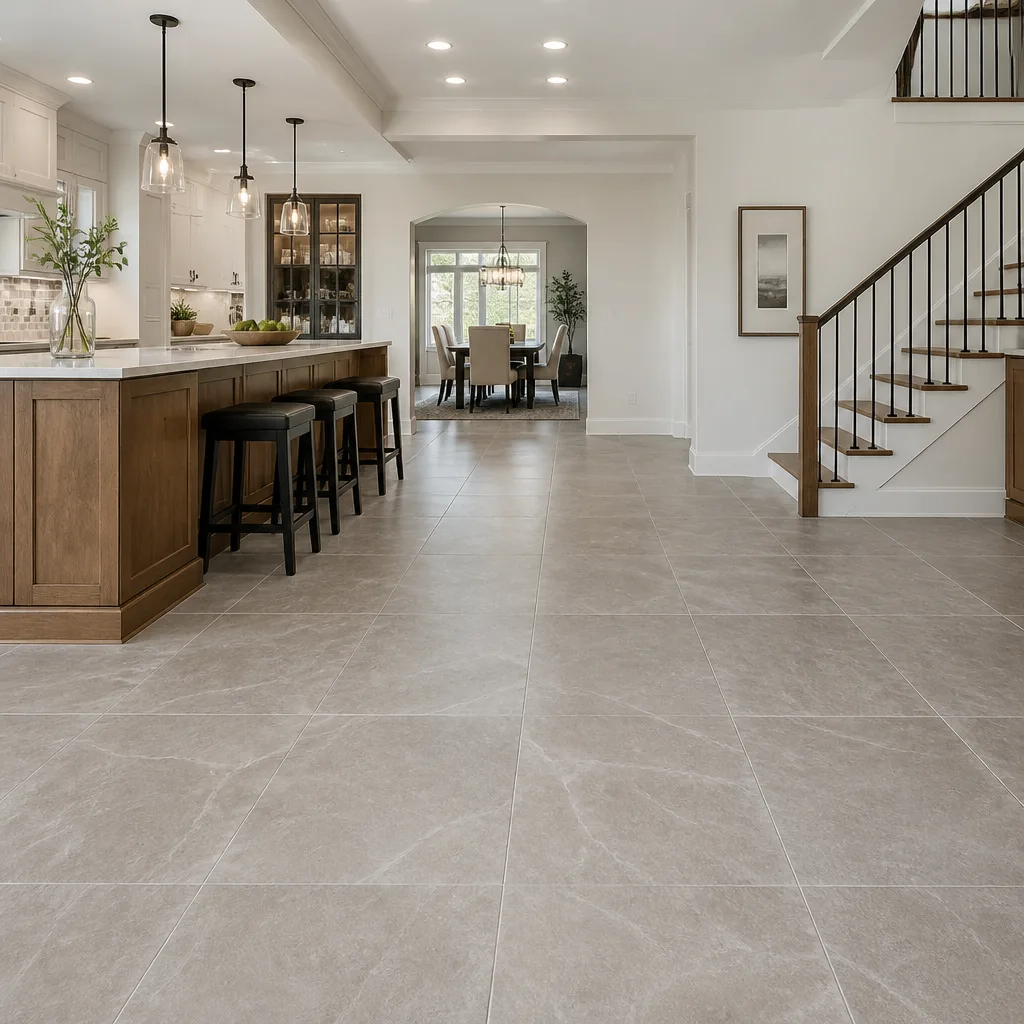 Porcelain tile
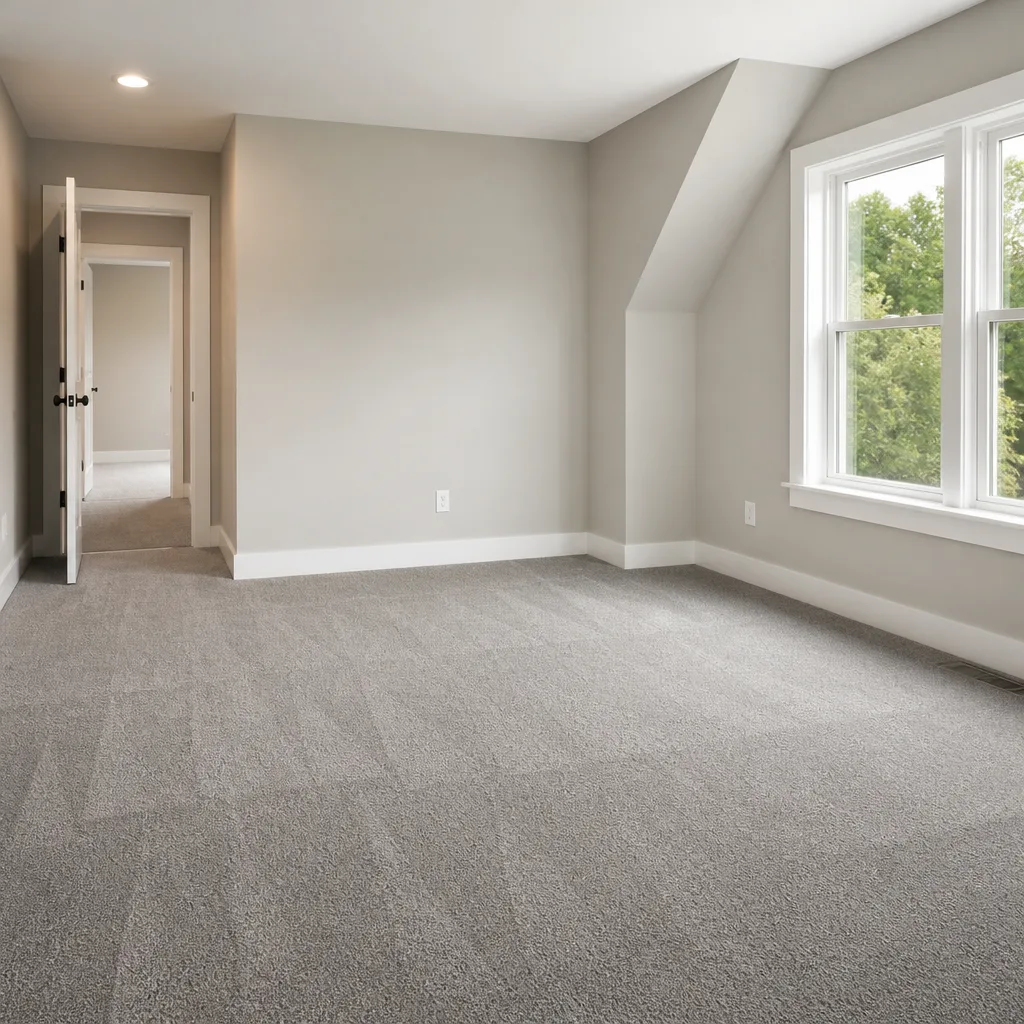 Carpet
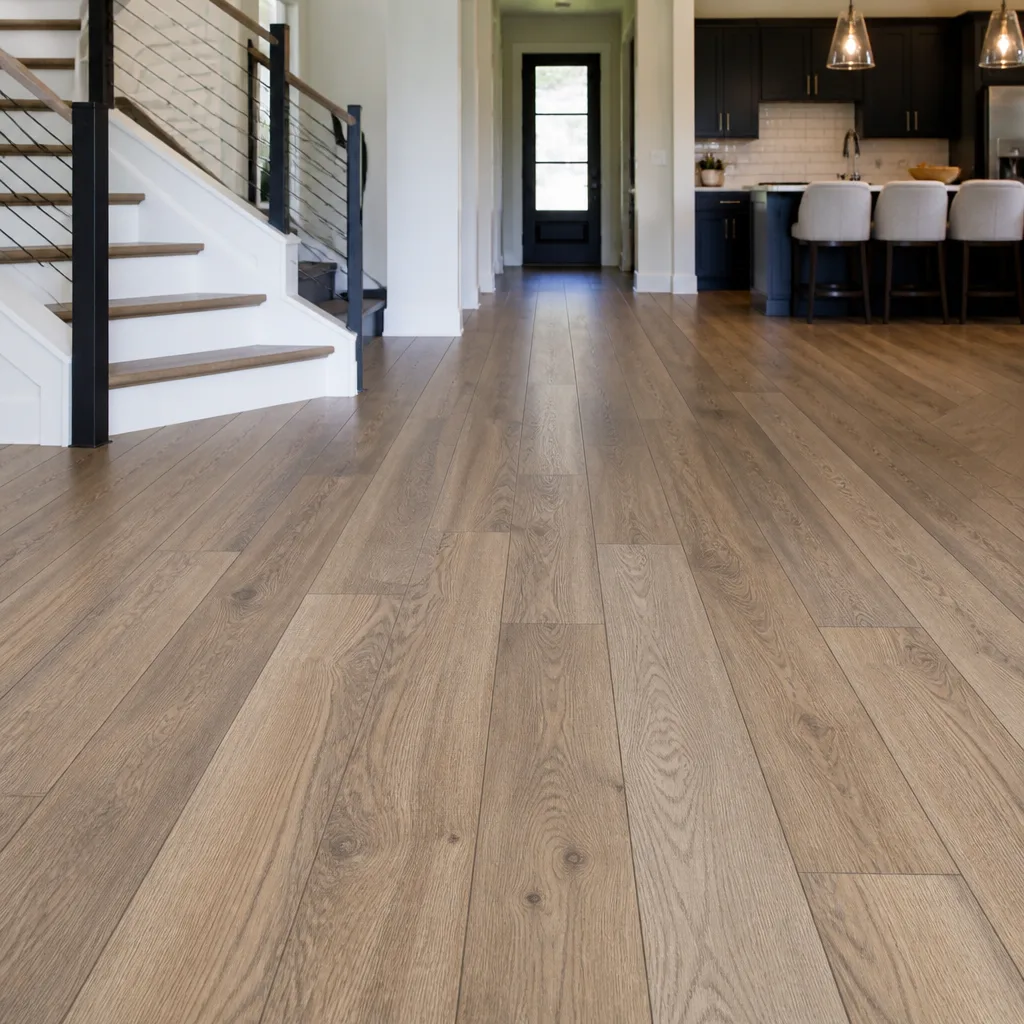 Shaw
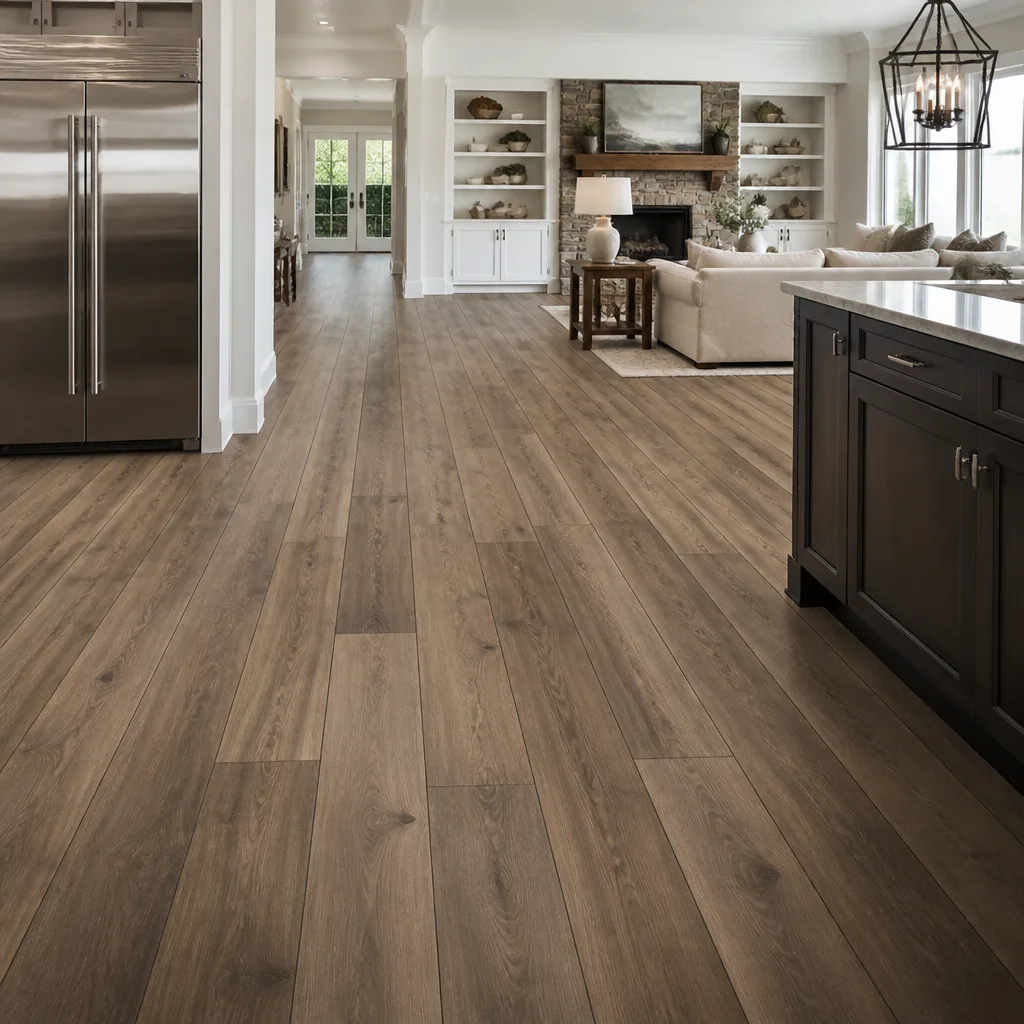 Mohawk
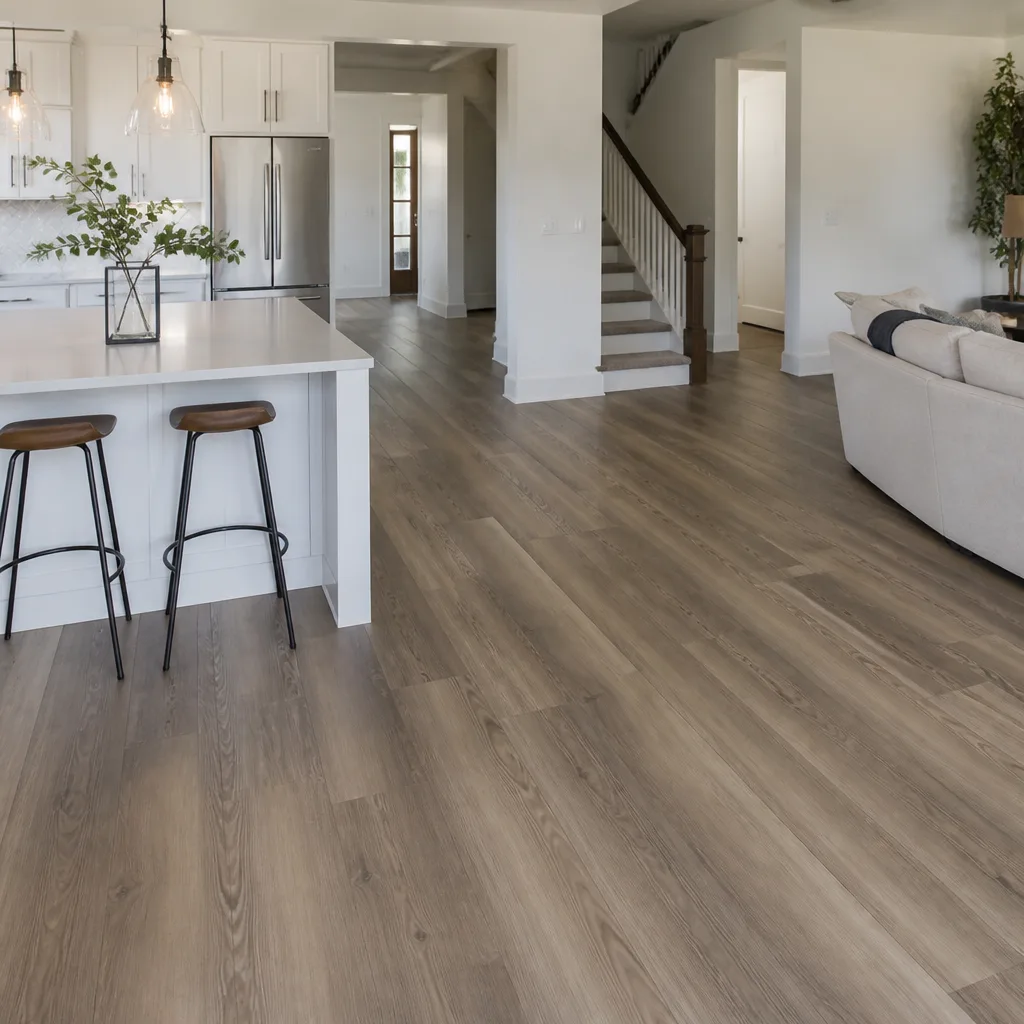 COREtec
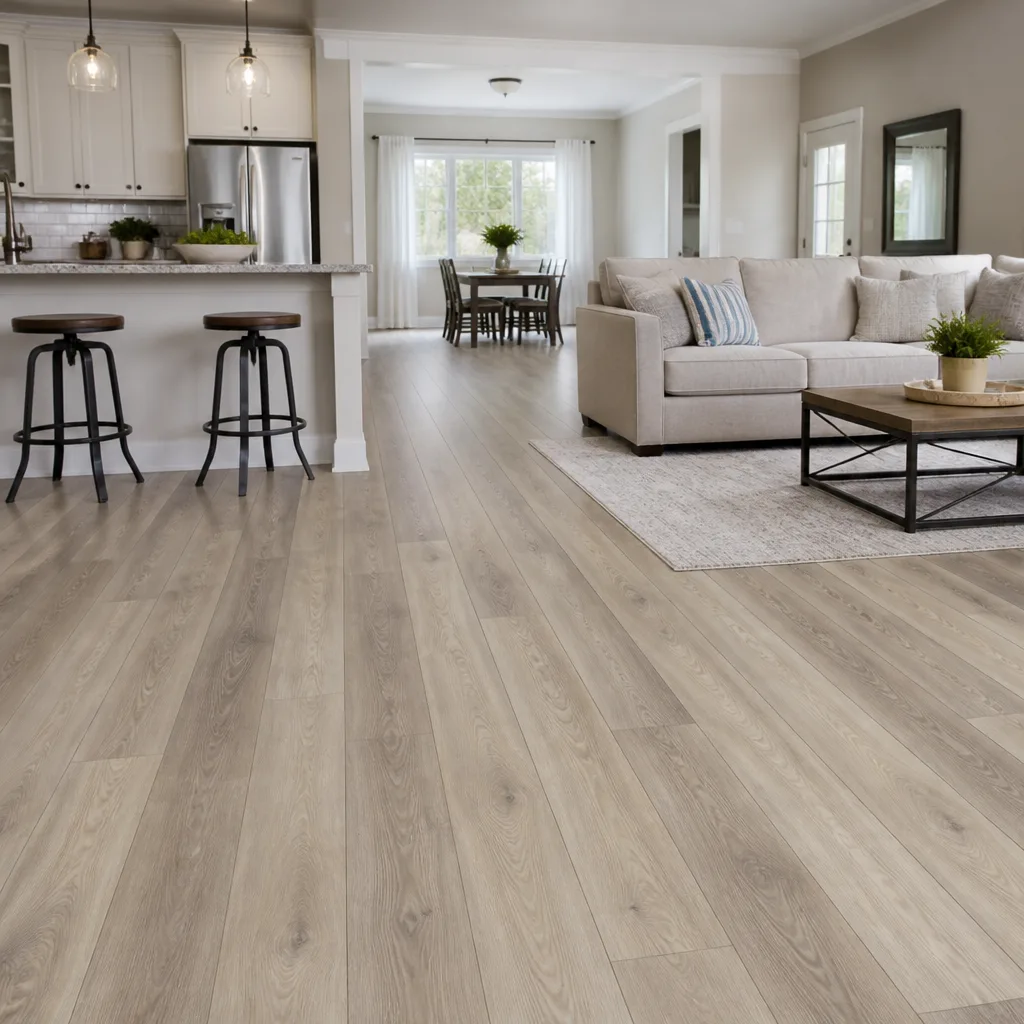 Pergo
Free in-home measure and written estimate: Shaw, Mohawk, COREtec and Pergo lines compared on your own rooms, with carpet, tile, vinyl plank, laminate and hardwood laid out side by side
Get your free estimateThe Complete Guide to Flooring in Spring Valley
Most flooring guides are written for a generic American home. Spring Valley isn’t generic. This valley sits at roughly 2,000 feet of elevation, sees 300-plus days of sun a year, and nearly every house here is built on a concrete slab poured at grade. Those three facts quietly eliminate or reshape a good chunk of the standard advice before you’ve even opened a sample box. Solid hardwood that performs beautifully in a Chicago bungalow can cup and gap here. A floating floor that clicks together perfectly in a humid climate behaves differently when the A/C is running hard from May through September. This guide maps every major floor type against the realities of a Spring Valley home, room by room, so you can choose a floor that actually belongs in this valley instead of one that merely looked good online.
Quick Answer
The right floor for a Spring Valley home depends on three local factors: slab-on-grade construction, extreme UV exposure, and big indoor-to-outdoor temperature swings driven by constant air conditioning. In practice that means engineer products for wood looks, choose tile or luxury vinyl for wet and high-traffic areas, use carpet for bedrooms and comfort zones, and treat solid hardwood as a case-by-case decision checked at the estimate visit. Nine brands, one installer: we carry Shaw, Mohawk, COREtec, LifeProof, Mannington, Armstrong, Daltile, and Karndean, so the recommendation is matched to the room, not to a single product line.
Styles & brands we work with
- Hardwood
- Engineered hardwood
- Luxury vinyl plank
- Laminate
- Porcelain tile
- Carpet
- Shaw
- Mohawk
- COREtec
- Pergo
Table of Contents
- Why Spring Valley Homes Are Different
- Slab-on-Grade Construction and What It Rules Out
- UV Fade: What Fade Claims Actually Mean
- Temperature Swings, Expansion Gaps, and Floating Floors
- Room-by-Room Matrix for Spring Valley Layouts
- The Major Floor Types, Ranked for This Climate
- Hardwood Refinishing: Restore Before You Replace
- Why One Accountable Installer Beats a Big-Box Subcontractor
- Common Mistakes to Avoid
- When to Call a Professional
- Frequently Asked Questions
Why Spring Valley Homes Are Different
Spring Valley is a desert valley community in the Las Vegas area, and the way homes get built here reflects that. A few local realities drive nearly every flooring decision:
- Slab-on-grade construction is the norm. Almost every home is built directly on a concrete slab at ground level. There’s no basement, no crawlspace, and no wood-framed subfloor over a ventilated space. That changes everything about moisture and acclimation.
- Sun is relentless. With roughly 300-plus days of sun a year, UV exposure through windows is heavy. Floors near large south- and west-facing windows take a beating that a homeowner in a cloudier region never sees.
- Air conditioning runs hard and long. The gap between a cooled indoor space and a 100-degree-plus outdoor afternoon is large. Floors expand and contract against that swing season after season.
- Dry air, with occasional monsoon moisture. Humidity is usually low, but the summer monsoon season can push moisture into the picture. Materials that ignore the dry baseline or the occasional wet spell both get into trouble.
None of this makes Spring Valley a hard place to floor. It makes it a specific place to floor. When we walk into a home here, the questions are different: what’s the slab reading, how much window light hits this room, and how much temperature swing will this material live through? Those answers steer the recommendation more than the color swatch does.
Slab-on-Grade Construction and What It Rules Out
Slab-on-grade construction limits solid hardwood and changes the acclimation requirements for engineered products. Concrete pulls moisture from the ground below and can transmit it upward, and flooring installed directly over it has to tolerate that reality. This is the single biggest reason national flooring advice doesn’t always translate to Spring Valley.
What slab construction means for each category
- Solid hardwood: Genuine solid wood moves with moisture far more than engineered or synthetic floors. Over a concrete slab, that movement is hard to control, and solid wood often isn’t the right call unless it’s installed over a proper subfloor system designed for it. It’s a case-by-case decision, and we’d verify the slab and structure at the estimate visit before recommending it.
- Engineered wood: Built with a layered core that resists the movement solid wood is prone to. This is generally the more workable wood-look option over a slab, and it still deserves a moisture check and acclimation to the home before installation.
- Luxury vinyl and laminate: These handle slab installation well and are far less sensitive to normal moisture variation. LifeProof luxury vinyl plank is a common pick for slab homes because water-resistant floating planks give you breathing room on a slab.
- Tile: Daltile porcelain and ceramic tile is a natural fit for slabs, especially in entries and bathrooms where a little moisture is normal.
- Carpet: Carpet over slab typically needs a cushion and, in some cases, a moisture barrier. It’s a routine install, but the underlayment choice matters.
Acclimation: a step, not a marketing word
Every material that contains wood or a wood-based core needs to sit in the room before it goes down, so it can adjust to the temperature and, more importantly, the moisture conditions of your home. Acclimation time varies by product, and the manufacturer’s instructions and your written estimate set the schedule. Over a slab, acclimation is doing real work: the material is settling into the same conditions it’ll live in for years. Skipping it because you’re eager to finish the project is one of the most common ways a floor starts gapping or cupping within its first year.
If your project touches several rooms, a single contractor handling all of it is worth considering. Our flooring installation Spring Valley service covers multiple flooring types in one engagement.
UV Fade: What Fade Claims Actually Mean
Sun fade is the quiet failure of desert flooring. A floor that looked perfect at installation can show dramatic color shift over a few years in a room with big west-facing windows. Not every product resists that equally, and not every fade claim means the same thing.
Reading the label correctly
Manufacturers label products with fade-resistance language, but that language varies widely. Some claims are specific and tied to a tested performance standard; others are softer marketing phrasing. When you’re comparing options, look for materials with a stated fade warranty rather than a loose “fade-resistant” tag. Then ask three practical questions:
- How much direct sun does this room get? A hallway with no windows and a sunroom with floor-to-ceiling glass are not the same install.
- Is there existing furniture? Floors that get uneven sun exposure can fade in patches, and the shadow lines left behind by rugs and couches become permanent. That’s a real consideration here.
- Does the product’s fade claim match the exposure? A value line and a premium line may both advertise fade performance, but they don’t all handle heavy exposure the same way.
Mannington’s product lines carry fade-resistance language worth comparing directly against a value tier like Armstrong laminate or Pergo. We won’t tell you one brand is universally better; we’ll match the product to the room’s actual light exposure. A bedroom with a north window has different needs than a great room with a wall of sun-facing glass.
Temperature Swings, Expansion Gaps, and Floating Floors
Spring Valley homes live through a large daily temperature swing. Outside, a summer afternoon climbs past 100 degrees. Inside, the air conditioning holds a comfortable range. A floor at the edge of a sunlit room sits right on that boundary. Floating floors, which rest on top of a cushion rather than being glued or nailed down, need room to move and click systems have to flex with the seasons.
What goes into the expansion gap
Floating planks expand and contract with temperature and humidity, and they need a small gap at the walls to absorb that movement. If the gap is too tight, planks can buckle in the middle of the room. If it’s handled correctly, the floor stays flat and quiet. The tricky part is that the gap has to be right at every wall, every doorway, and every transition, which is why installers who measure carefully at the estimate stage tend to produce quieter, flatter floors.
- Watch the transition strips. Floors meeting tile or carpet at doorways need proper transition pieces that allow for movement.
- Large rooms and long runs: Open great rooms with no interior walls allow long uninterrupted runs of a floating floor. Those spans move more, and the layout has to account for it.
- Click systems age differently than glue-down: A click-lock floor’s joints are its weak point under movement, so a stable, well-levelled slab matters. Over time, poorly installed click joints can loosen, especially in high-traffic doorways.
This is where a professional install pays for itself. The difference between a floor that stays flat through a hot summer and one that starts to lift at the seams usually comes down to prep and gap planning at day one.
Room-by-Room Matrix for Spring Valley Layouts
Spring Valley homes tend to share a handful of layout patterns: an open great room that combines kitchen, dining, and living space; a tile-floored entry; and a master suite set apart from the main living area. Matching floor type to room is a use-case decision, not a style preference. Here’s how we think about it.
Great rooms (open kitchen, dining, living)
These are the highest-traffic, highest-exposure rooms in the house. You want a hard, durable, water-resistant floor that runs continuously. LifeProof luxury vinyl plank is a strong match for an open great room because water-resistant planks handle kitchen splashes and high traffic together, and a continuous run across the combined space keeps the room feeling unified. Daltile tile is another option and holds up beautifully under heavy use, though it’s harder and colder underfoot.
Entries and foyers
This is where dust, grit, and the occasional wet shoe come in. Daltile porcelain or ceramic tile is the obvious call: it shrugs off moisture and cleans easily, and a tile entry can create a natural visual break before the great room floor begins.
Bathrooms and laundry rooms
Tile wins here every time. Water-resistant is not the same as waterproof, and standing water still has to be managed no matter what you install. For a bathroom, Daltile tile with proper installation is the most reliable choice over the long term.
Bedrooms
Carpet, especially in the master suite, is the comfort choice. Shaw and Mohawk carpet lines cover the soft, quiet feel most homeowners want in a bedroom, and carpet is forgiving underfoot and warmer than hard floors coming out of a cooled room at night.
Hallways and stairs
These take concentrated traffic. Carpet handles stairs well; durable laminate like Pergo or Armstrong works on hallway runs and offers a wood look without the sensitivity of real wood.
If you’re working through a whole-home project across several of these zones, our carpet installation and tile flooring installation services can be coordinated in one engagement so the transitions line up.
The Major Floor Types, Ranked for This Climate
Here’s how the major categories stack up specifically against Spring Valley conditions. This ranking is about the valley’s climate and construction, not about which floor is “best” in some universal sense.
1. Tile (Daltile, Mannington tile lines)
The most climate-forgiving floor for a slab home. Tile doesn’t care about the dry air, it tolerates normal moisture, and it stands up to UV better than most resilient products. It’s heavier and colder underfoot, and it’s harder on dropped dishes, but for bathrooms, entries, and kitchens it’s the most durable long-term answer.
2. Luxury vinyl plank (LifeProof, COREtec, Karndean)
The sweet spot for open living areas. LVP is water-resistant, handles slab installation well, and offers a wide range of wood looks. LifeProof covers the value end; COREtec and Karndean add commercial-grade lines built for high traffic. It’s the most flexible category here.
3. Carpet (Shaw, Mohawk, Mannington)
Best for bedrooms and comfort zones. Carpet softens the hard-surface feel of a mostly tile and LVP home, but it’s not the right pick for wet areas or heavy sun exposure, where it can fade and hold onto grit.
4. Laminate (Pergo, Armstrong)
A strong wood-look value option that handles dry air well. Laminate is water-resistant but not waterproof, so keep standing water off it and use it in rooms where that’s manageable. Pergo and Armstrong give you solid value-tier choices.
5. Engineered wood
The workable wood option over a slab, with better stability than solid wood and the real-wood look some homeowners want. Acclimation and slab conditions decide whether it’s a fit, checked at the estimate.
6. Solid hardwood
The most climate-sensitive choice in Spring Valley because of the slab. Sometimes it works over a properly prepared subfloor system; often it’s better to refinish existing wood than to fight a new solid install over concrete.
Hardwood Refinishing: Restore Before You Replace
If your Spring Valley home already has a wood floor, refinishing is often the smarter move than ripping it out and starting over. Before you commit to a new floor, it’s worth checking what’s already under your feet. Hardwood refinishing means sanding back the worn surface, correcting the finish, and applying a new stain and top coat, restoring the wood that’s been in the house all along.
When refinishing makes sense
- The wood is still structurally sound with no widespread cupping or rot.
- There’s enough thickness left to sand back a layer without compromising the boards.
- The floor is worth keeping: matching an original wood floor is often impossible once it’s gone.
Two honest caveats. First, not every wood floor can be refinished; it depends on the thickness of the wood and its condition, which we check at the estimate visit. Second, a stain won’t always match a sample perfectly, because the result depends on the species and the existing wood. We’ll tell you that up front rather than promise a perfect match.
How a refinish job usually works
- In-home measure and estimate. We look at the wood, the thickness, and the condition, then write a free estimate for the refinish.
- Booked install day. Once you approve the written price, we schedule the work.
- Sanding and prep. The old finish comes off and the surface is prepped.
- Stain and finish. The new stain and top coat go down, and the finish protects the wood going forward.
Refinishing existing wood is a real alternative to buying new, and it’s a service we handle as part of our tile flooring installation and hardwood work, so a multi-room project doesn’t fall between trades.
Why One Accountable Installer Beats a Big-Box Subcontractor
When you buy flooring from a big-box store, the installer is usually a separate subcontractor you never chose and can’t easily reach. If something goes wrong, you’re calling the store, the store is calling the subcontractor, and responsibility gets passed around. Buying from a single accountable installer changes that.
What single accountability looks like
- One point of contact for the whole project. Product selection, the estimate, and the install are handled by us from start to finish.
- Real product breadth, not a single shelf. Nine brands, one installer means the recommendation is matched to your room and budget rather than to what one store happens to stock. Pergo or Armstrong for a value-tier budget; Karndean or COREtec when durability is the priority.
- Clear recourse. If a seam loosens or a transition lifts, you call us, not a customer-service line that hands off to a subcontractor.
- Consistency across a multi-room job. Carpet in the bedrooms, tile in the bath, wood refinished in the hall, all coordinated under one contract so the transitions line up and the schedule holds together.
For a small landlord or property manager replacing flooring across multiple units on a defined budget, that single-contractor structure matters even more. One relationship, one written estimate per unit, and no coordination risk between separate trades. If you’re working through a Spring Valley home in the Spring Valley area, we’re happy to walk the space and talk through options before you commit to anything.
Common Mistakes to Avoid
- Buying nationally, installing locally, expecting a national result. Advice written for a carpeted Midwestern home doesn’t account for a slab and constant A/C. Choose based on your room’s real conditions, not a generic buying guide.
- Skipping the slab moisture check. Concrete can pass moisture upward even when it looks dry. Ignoring that before installing a wood or laminate floor is the fastest way to a floor that cups or gaps within a year.
- Assuming “waterproof” LVP means the moisture problem goes away. Water-resistant planks help, but standing water and moisture from below still have to be dealt with. A wet slab is a wet slab no matter what’s on top.
- Putting carpet in a sun-blasted room. A bedroom with heavy west-facing light will fade and wear faster than a shaded room. Match the material to the light and traffic.
- Treating fade claims as interchangeable. Some products carry a real, tested fade warranty; others use soft marketing language. Compare the actual claims when sun exposure is high.
- Jumping to replacement when refinishing would work. Not every old wood floor needs to come out. Check thickness and condition first; restoring is often the smarter move.
- Chasing the lowest price across separate trades. One installer for carpet, another for tile, another for wood means no single party owns the final result. Nobody’s responsible when the transitions don’t line up.
When to Call a Professional
Some flooring questions are easy to answer yourself; others need a trained eye before you spend money. Call a professional when you’re selecting a wood or laminate floor over a slab and want a moisture check and acclimation guidance before ordering; when an existing wood floor has cupping, widespread wear, or unknown thickness and you’re wondering whether it can be refinished; when you’re planning a multi-room project across carpet, tile, and wood and want one coordinated plan; when a floating floor is buckling, gapping, or lifting at a doorway; when you’re a landlord replacing flooring across several units and need a consistent approach on a defined budget; and when a sun-facing room has faded in patches and you want a product that handles the exposure. Flooring Installation Spring Valley offers free estimates in Spring Valley, and we’ll walk the space and put the options in writing. Call (844) 797-4453. We answer 24/7. Fast dispatch from 7am to 7pm, Sunday through Friday.
Frequently Asked Questions
Sometimes, but it isn’t the default choice over a slab. Solid wood moves with moisture more than engineered or synthetic floors, and a concrete slab transmits moisture upward, so a solid install over concrete usually needs a properly designed subfloor system to work. We check the slab and the structure at the estimate visit before recommending it, and often engineered wood or a wood-look luxury vinyl is the more workable answer here. Call (844) 797-4453 for an exact quote – estimates are free.
Floating floors buckle or gap when they don’t have enough room to expand and contract with the valley’s temperature swings. The A/C running hard all summer, combined with a floor at the edge of sunlit glass, pushes planks through a real range, and a tight expansion gap at the walls traps that movement. Correct gap planning at installation is what prevents it. Call (844) 797-4453 for an exact quote – estimates are free.
Tile or a high-performing luxury vinyl is usually the safest bet in a room that takes heavy direct sun. Tile stands up to sun better than most resilient products, and a vinyl plank with a tested fade warranty handles it well too. Carpet fades and wears faster in that kind of exposure, so it’s a weaker pick for a sun-blasted room. Call (844) 797-4453 for an exact quote – estimates are free.
Often, yes, if the wood is structurally sound and thick enough to sand back. Refinishing restores the wood that’s already in your home rather than ripping it out and buying new, and it’s a genuine value-add beyond pure installation work. Not every floor can be refinished, and a stain won’t always match a sample perfectly, so we check thickness and condition at the estimate visit. Call (844) 797-4453 for an exact quote – estimates are free.
No. The in-home measure and estimate are free, and you get a written price before any work is booked. The written estimate sets the final price, and the schedule is set at that visit. Call (844) 797-4453 for an exact quote – estimates are free.
The schedule is set at the estimate visit once we see the scope of the project. A single room and a whole-home job across carpet, tile, and a wood refinish are very different timelines, and a multi-room project has to be sequenced so the transitions line up. We’ll give you the timeline in writing with the estimate. Call (844) 797-4453 for an exact quote – estimates are free.
The Bottom Line
Flooring in Spring Valley comes down to three local realities: slab-on-grade construction, relentless UV exposure, and big A/C-driven temperature swings. Those facts push you toward tile and water-resistant luxury vinyl for wet and high-traffic rooms, carpet for bedrooms, and wood-look products chosen carefully over concrete. Refinish existing hardwood when the structure is sound rather than defaulting to replacement. And buy from one accountable installer with real brand breadth, not a big-box store that hands your project to a subcontractor. Nine brands, one installer, one contract: that’s the difference between a floor that fits this valley and one that fights it. Ready to price your project? Call (844) 797-4453 for a free estimate in Spring Valley. We answer 24/7. Fast dispatch from 7am to 7pm, Sunday through Friday.
Written by the team at Flooring Installation Spring Valley.
See the difference
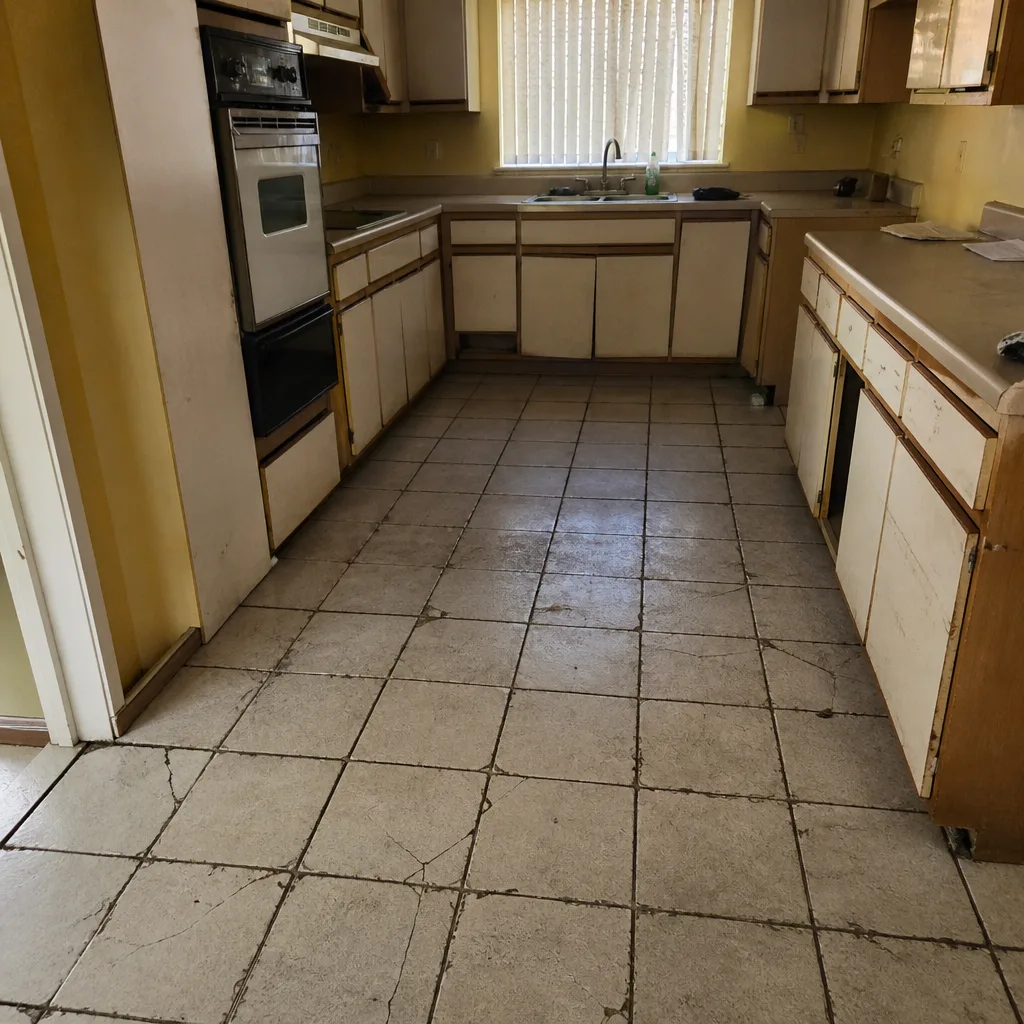 Before
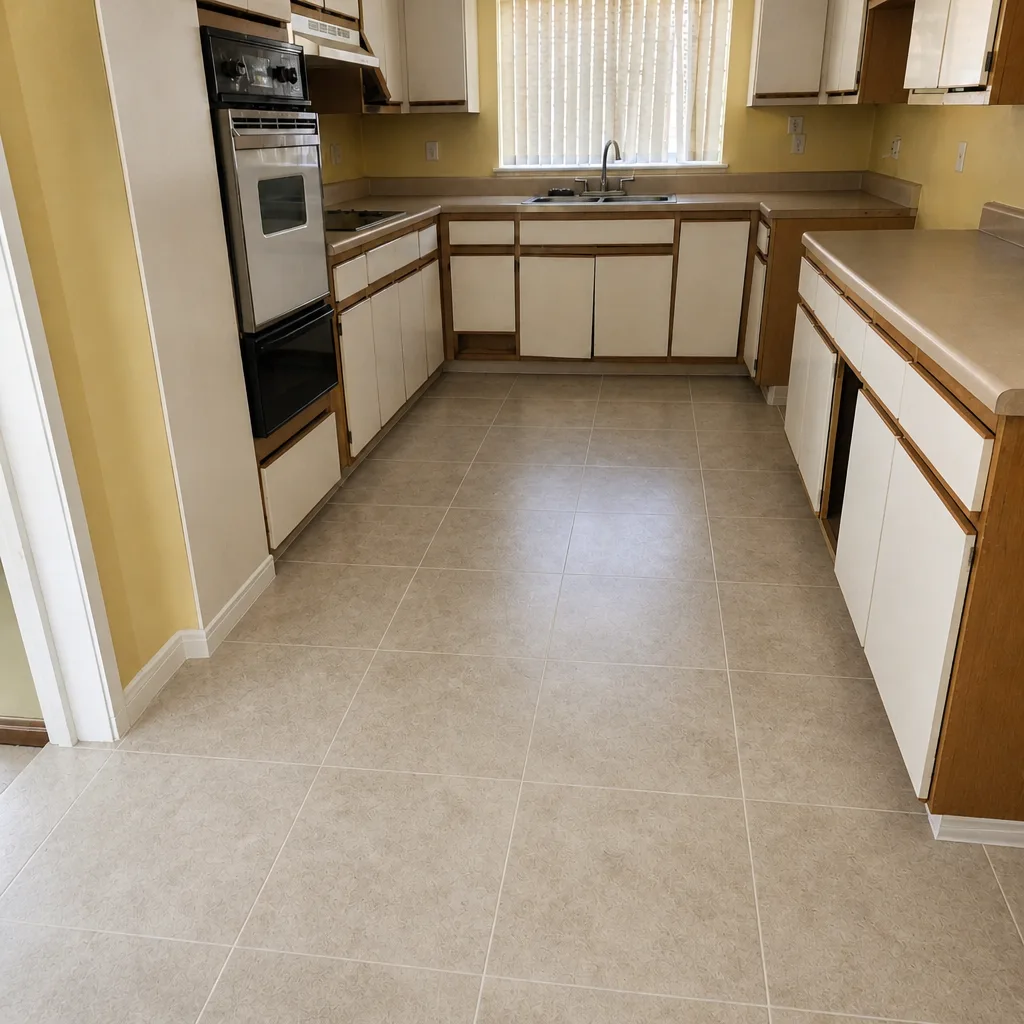 After
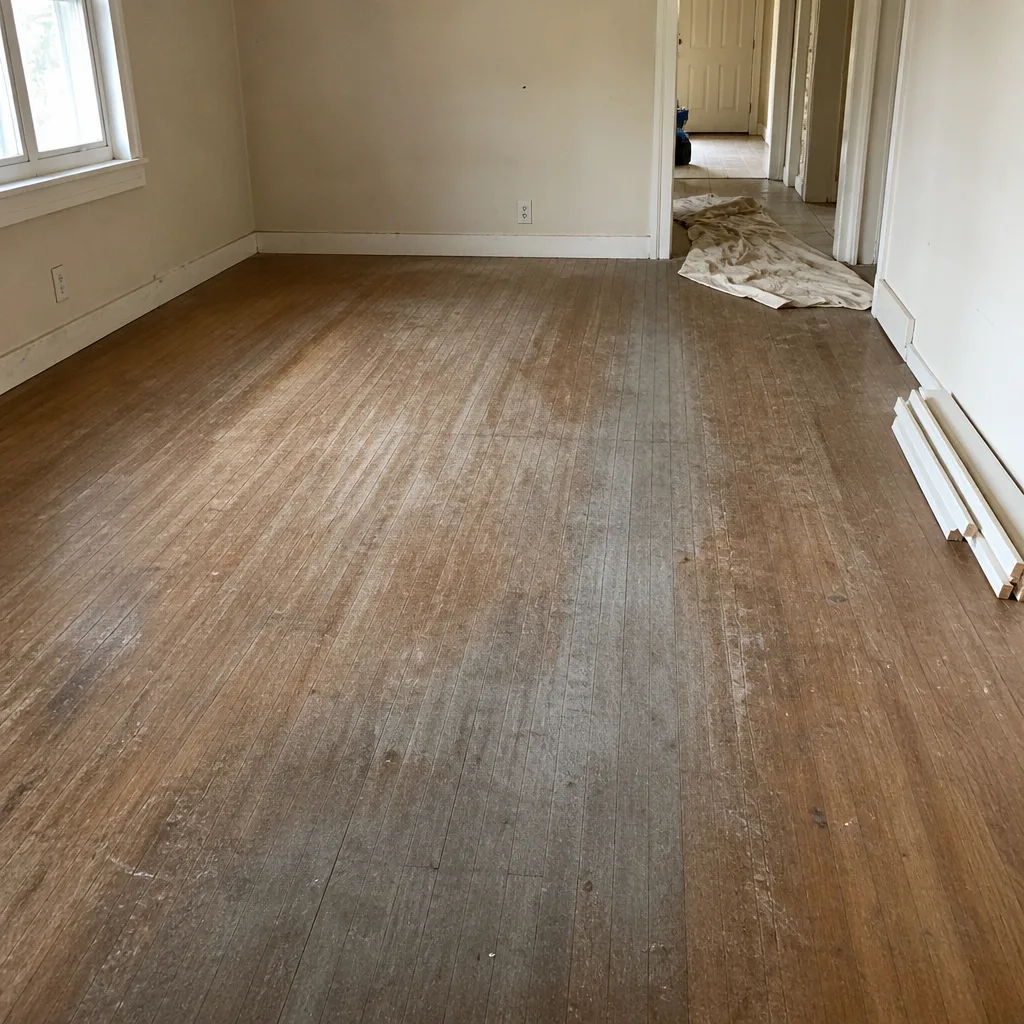 Before
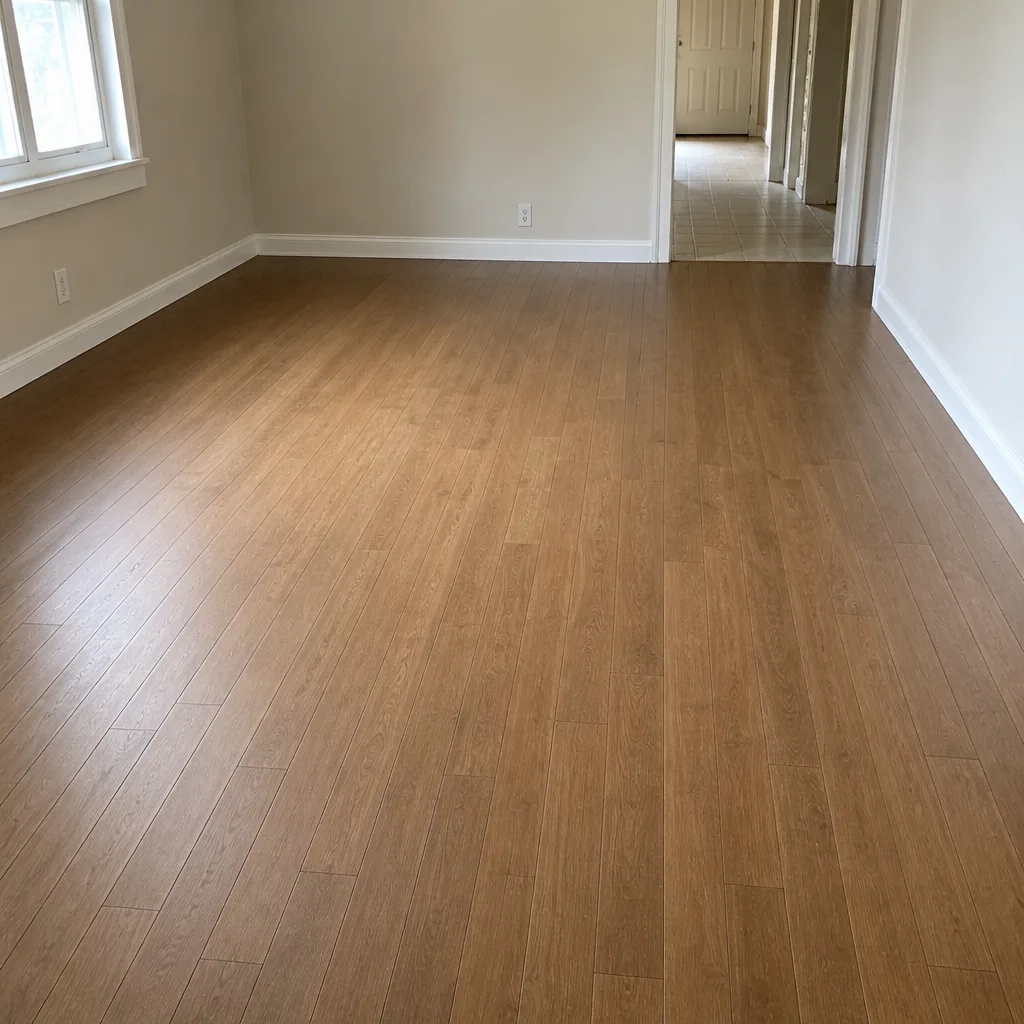 After
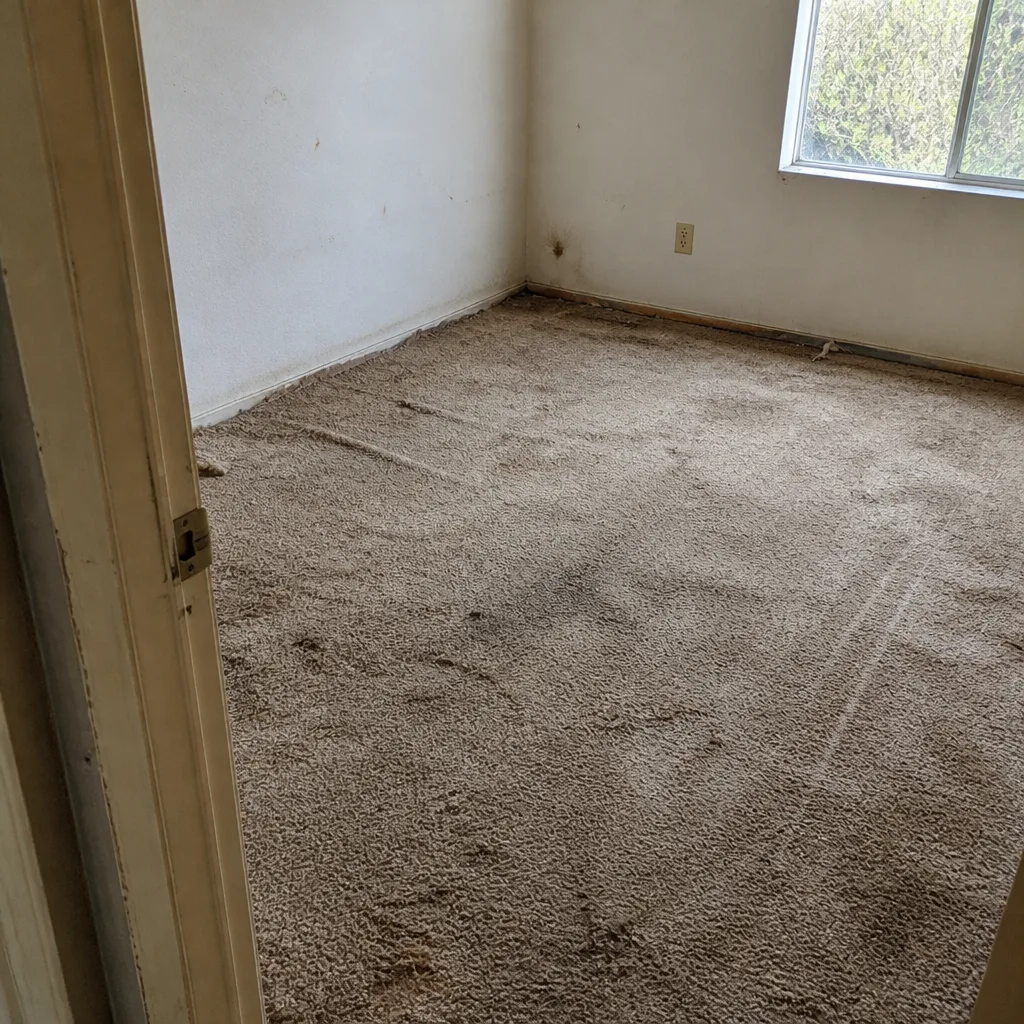 Before
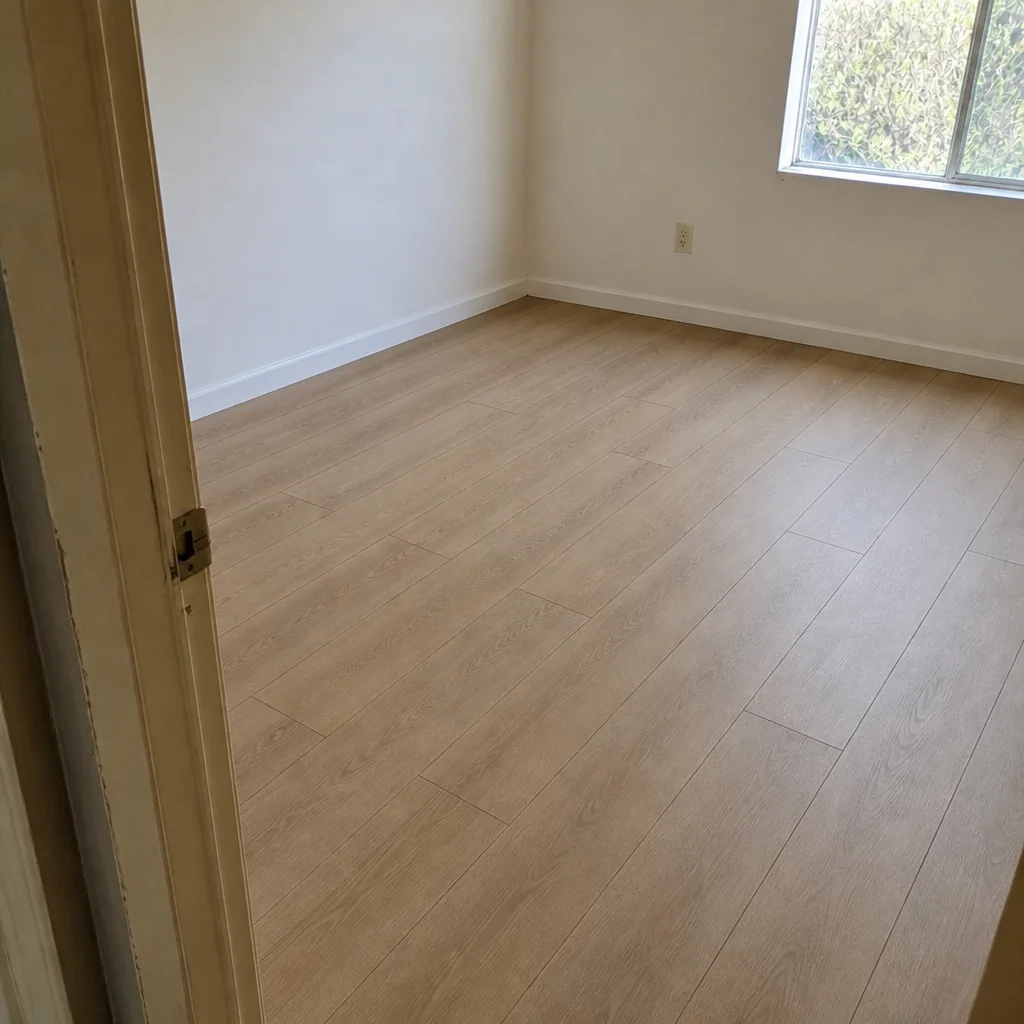 After