
Last updated November 17, 2026
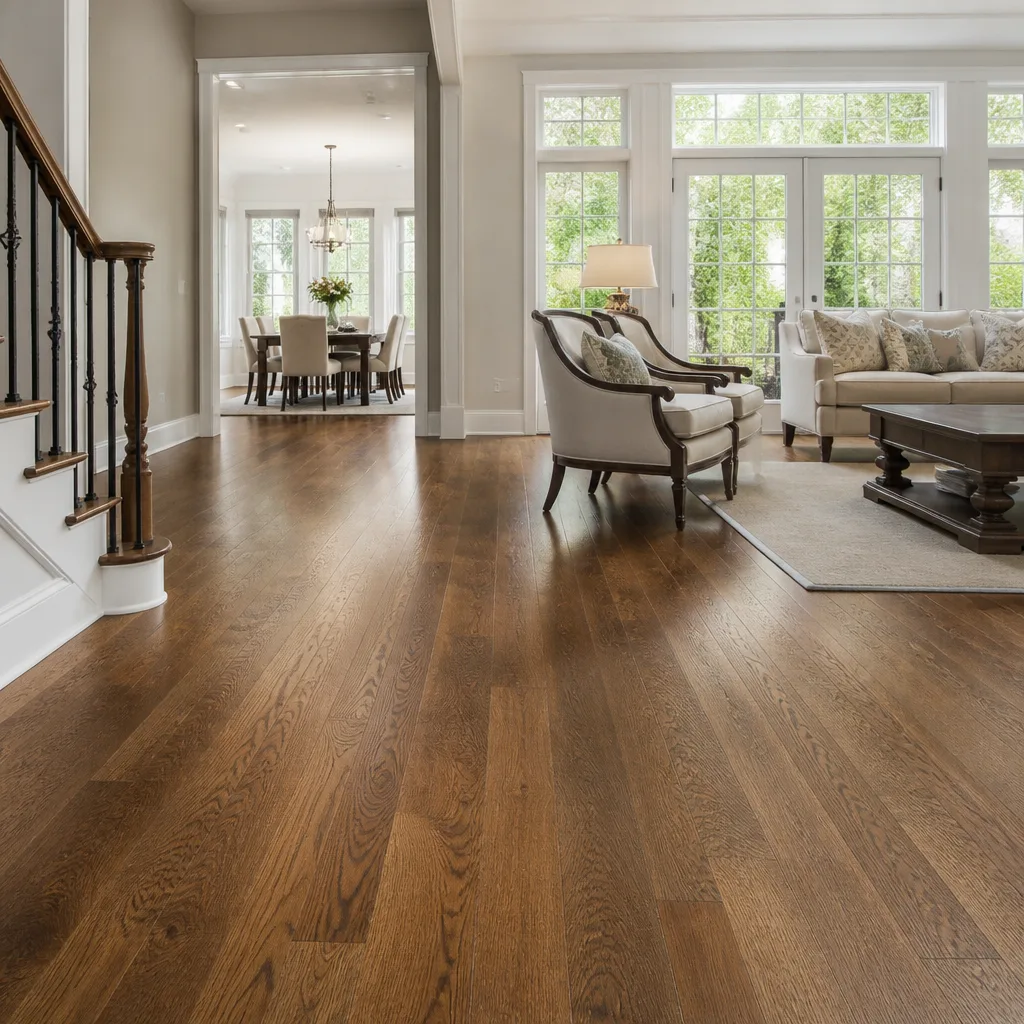 Hardwood
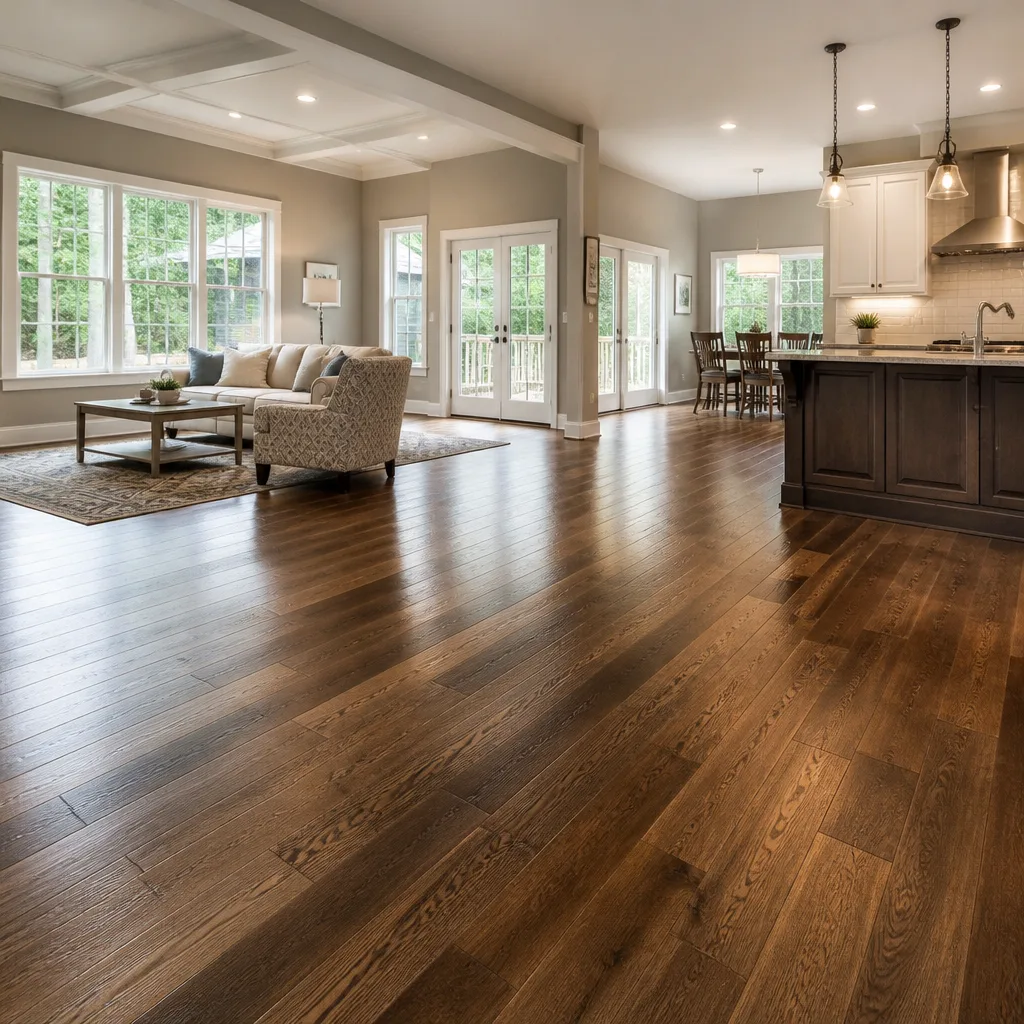 Engineered hardwood
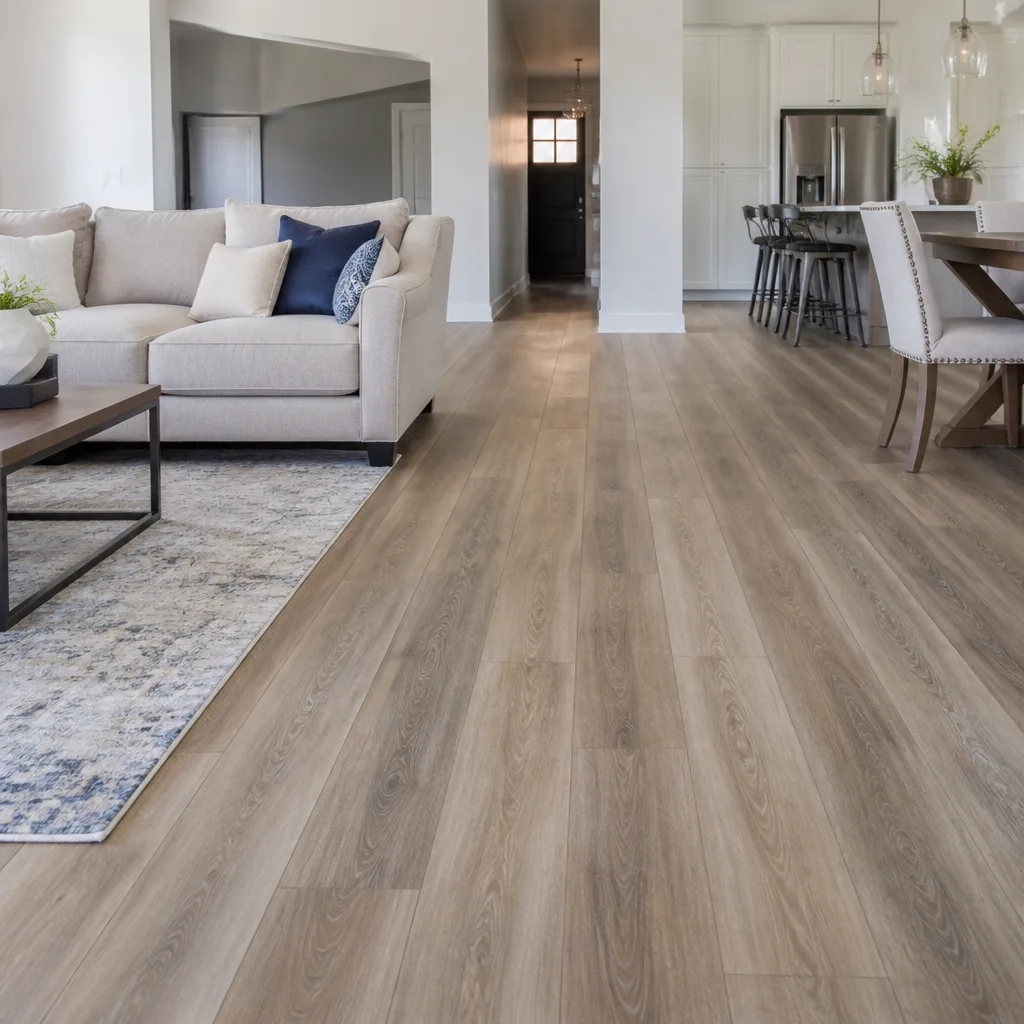 Luxury vinyl plank
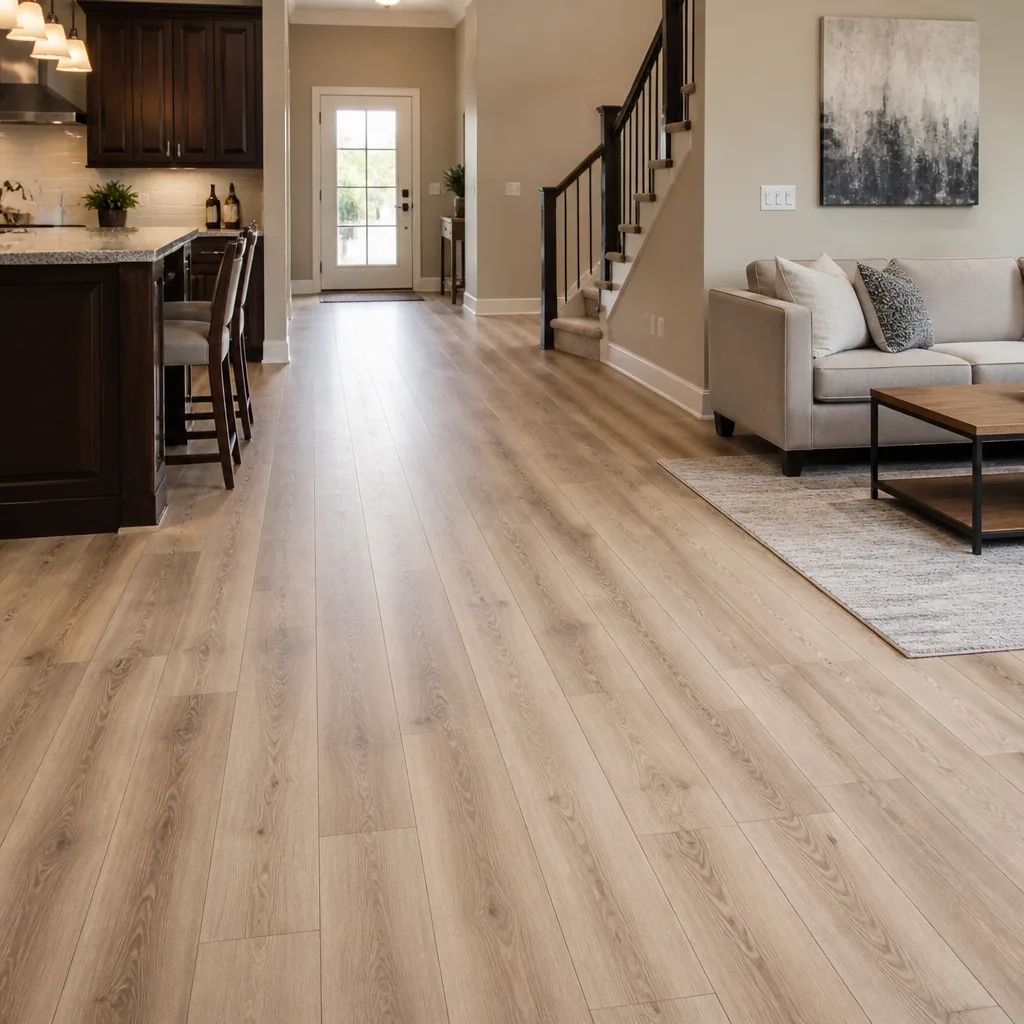 Laminate
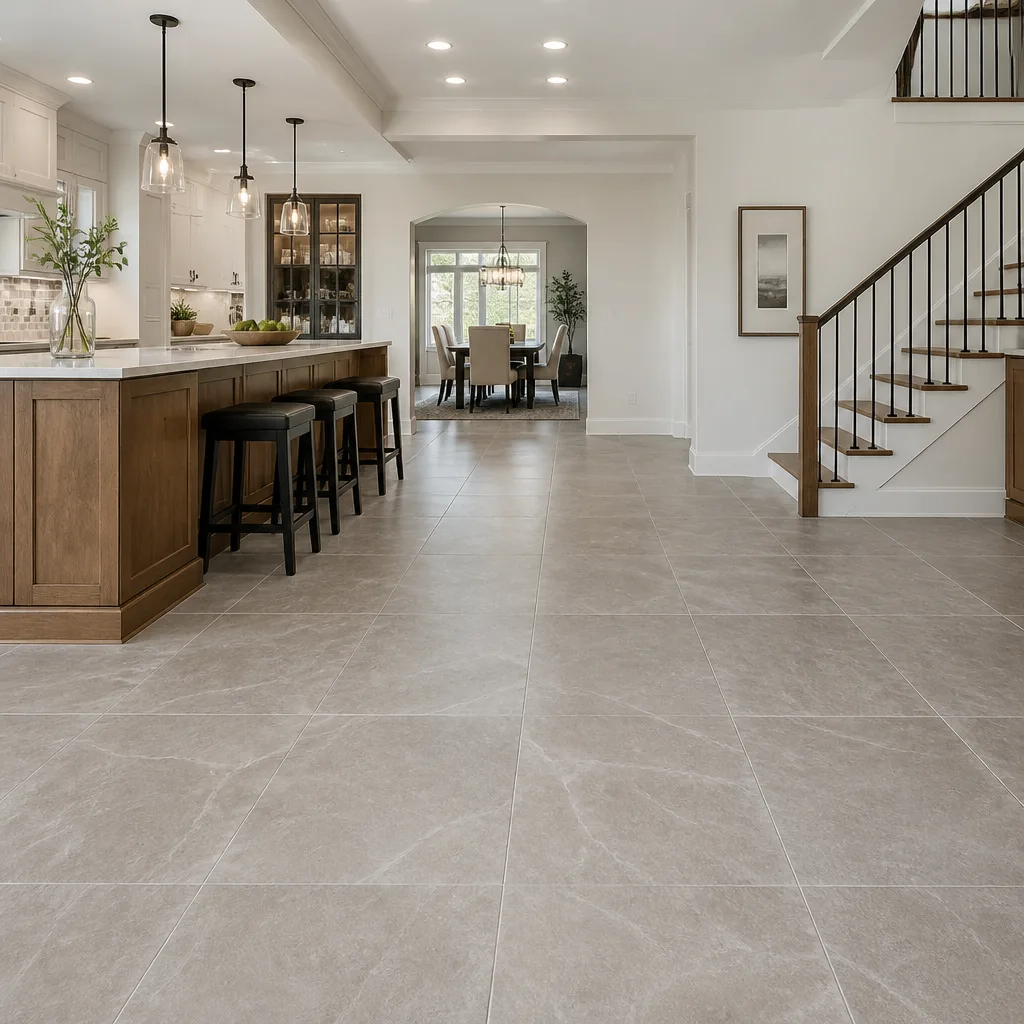 Porcelain tile
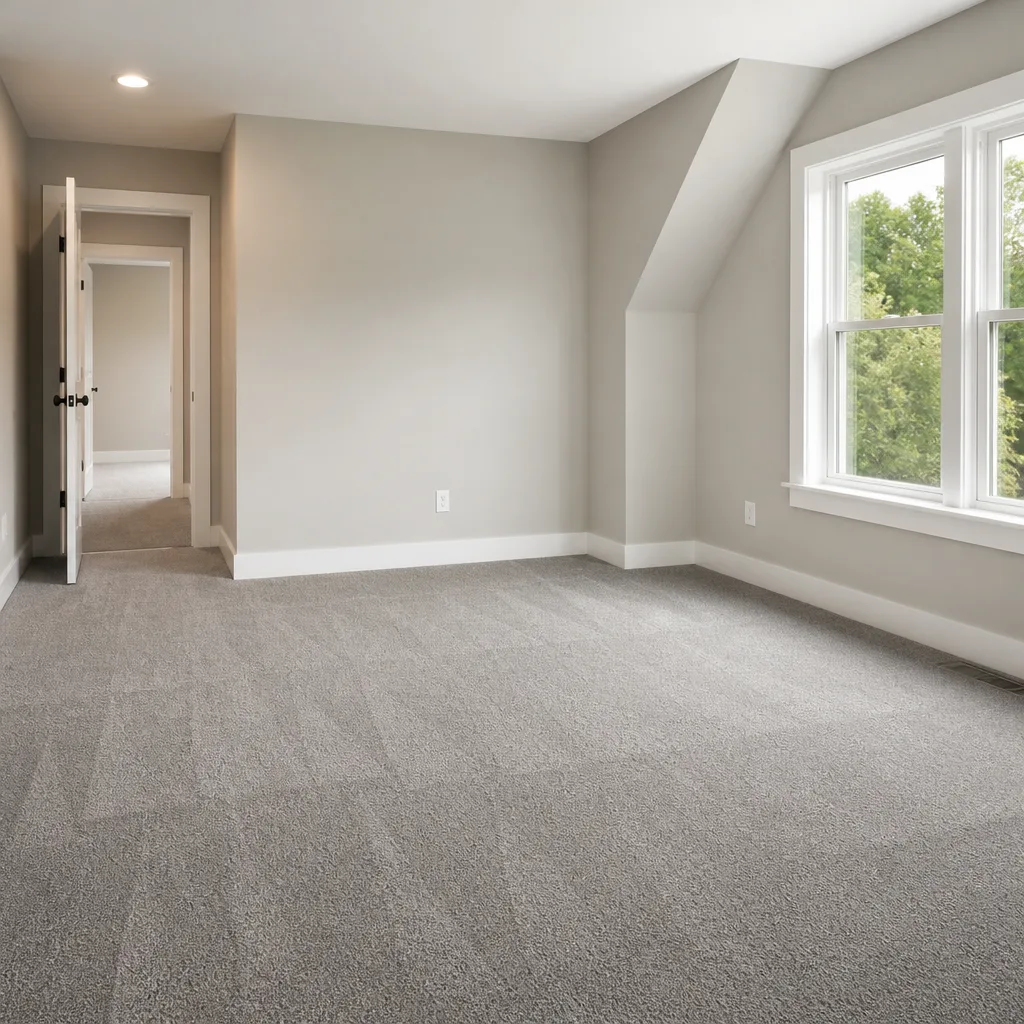 Carpet
 Shaw
 Mohawk
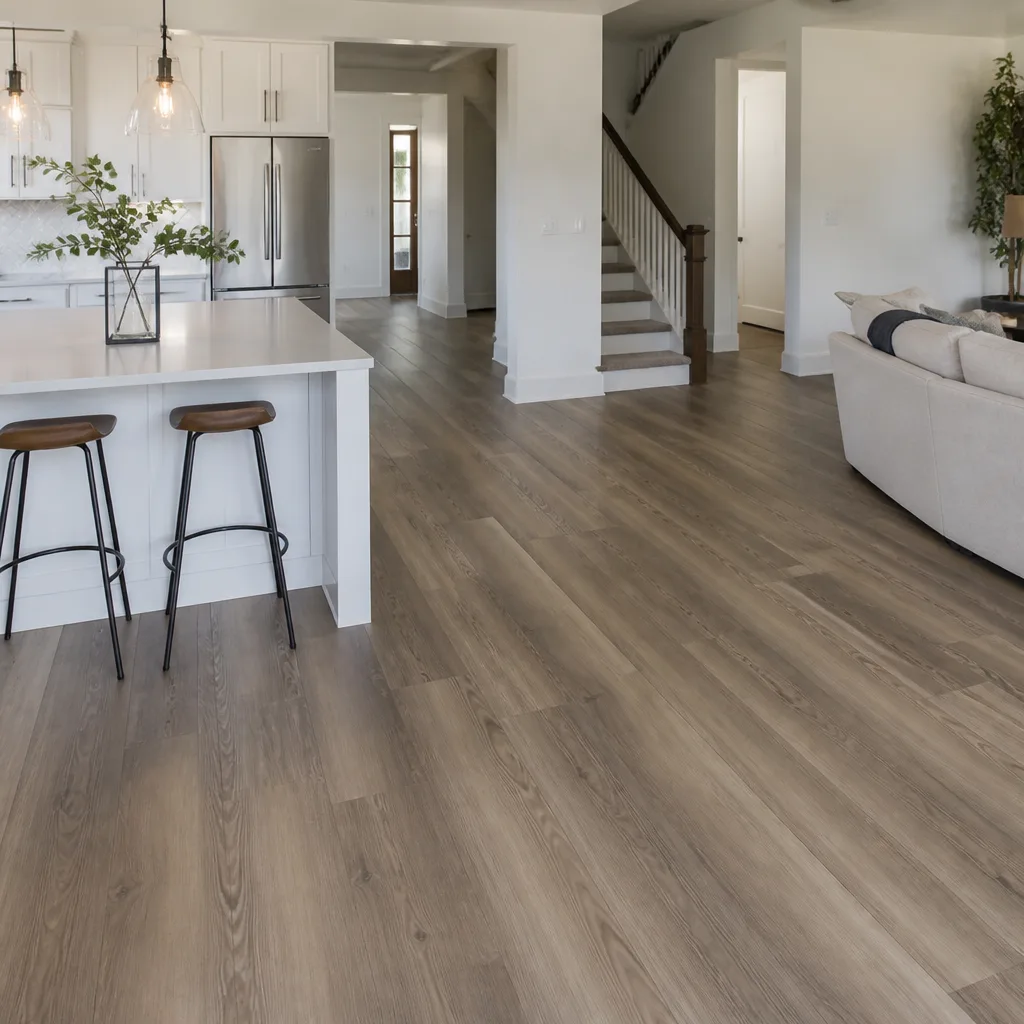 COREtec
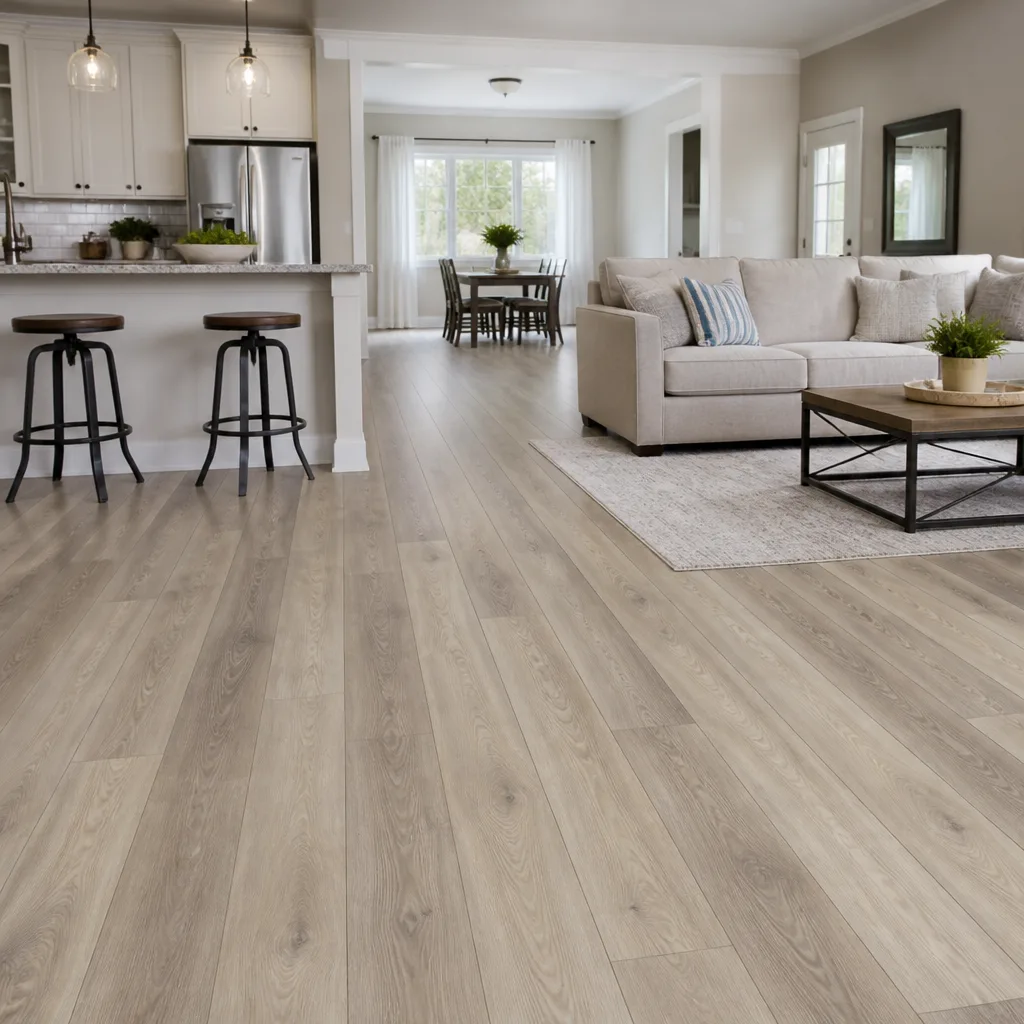 Pergo
Free in-home measure and written estimate: Shaw, Mohawk, COREtec and Pergo lines compared on your own rooms, with carpet, tile, vinyl plank, laminate and hardwood laid out side by side
Get your free estimateHow Spring Valley’s Climate Can Affect Your Flooring Choice
Most flooring advice you’ll read was written somewhere with four seasons and average humidity. Spring Valley isn’t that place. Here, the desert does something specific to a floor: it pulls moisture out of the air, bakes the concrete underneath, and cycles everything through hot days and cool nights. A floor that performs beautifully in a milder climate can gap, cup, or delaminate here within a couple of seasons. What follows is the version of flooring guidance that actually accounts for Spring Valley – the physics of how materials behave in this heat and this dryness, which products hold up, and which questions to ask before you spend a dollar.
Quick Answer
The best flooring for a Spring Valley home is one chosen for low humidity and high heat, not for looks alone. Tile handles the desert best, engineered hardwood and quality luxury vinyl (stone-core types especially) do well when installed over a properly tested slab, and carpet works if you pick the right fiber. Solid hardwood, in most Spring Valley rooms, is the option that struggles most. The written estimate and product instructions set the final details for your specific home.
Styles & brands we work with
- Hardwood
- Engineered hardwood
- Luxury vinyl plank
- Laminate
- Porcelain tile
- Carpet
- Shaw
- Mohawk
- COREtec
- Pergo
Table of Contents
- Why Desert Physics Change the Flooring Decision
- Low Humidity, Not Just Heat, Is What Breaks Wood Floors
- The Slab-on-Grade Reality in Spring Valley
- Which Luxury Vinyl Core Handles Temperature Swings
- Why Tile Wins in the Desert – and What Keeps It From Cracking
- Carpet Fiber Type Matters More Than Carpet Weight Here
- Matching the Floor to the Room
- Common Mistakes to Avoid
Why Desert Physics Change the Flooring Decision
Flooring materials expand and contract with heat and moisture. In a mild climate those movements are small and slow. In Spring Valley they’re large and constant, and that changes which products can survive. The Las Vegas metro sees roughly 294 sunny days a year, and summer indoor humidity can fall below 10%. That combination – intense solar gain through windows plus very dry air – is the starting point for every flooring conversation we have with Spring Valley homeowners.
Three forces do most of the work:
- Thermal expansion and contraction. Materials swell in heat and shrink as they cool. Rooms with west-facing windows or un-insulated garage adjacency get the biggest swings.
- Low humidity. Dry air pulls moisture from wood and from the slab, shrinking boards and stressing seams in ways humid climates rarely see.
- Radiant slab heat. A concrete slab in direct sun stores heat through the day and releases it into the evening, so the floor’s temperature can run well above the room’s air temperature.
None of this means you can’t have the floor you want. It means the choice has to be matched to the conditions. A product selected for a temperate climate and dropped into a Spring Valley room is the single most common reason we see premature failures. The right floor for the room starts with understanding the room’s temperature and moisture story, not with a color palette.
Low Humidity, Not Just Heat, Is What Breaks Wood Floors
When people think about desert damage to wood, they picture heat. The bigger culprit is dryness. Solid hardwood is a natural material that holds moisture in equilibrium with the air around it. When indoor humidity crashes in summer, the wood gives up moisture, shrinks, and the boards separate. That’s the gapping you see between planks. In winter the air can swing the other way, and the boards take moisture back and swell. Over a few seasons of that cycle, cupping and edge damage follow.
Why engineered hardwood can fail too
Engineered hardwood is more stable than solid because its layered construction resists movement, but stable isn’t the same as immune. Every engineered product has a range of humidity variance it can tolerate, and past that range the layers can separate or the surface can delaminate. In a Spring Valley home where summer indoor humidity can drop below 10%, a room near a west-facing window can push a product past its comfort zone. The product instructions define that range for the specific floor you buy – we won’t quote a number here because it differs by product, and it should come from the manufacturer’s documentation, not from a sales pitch.
What actually helps
- Ask for the product’s humidity tolerance in writing before you commit, and compare it to your home’s real conditions.
- Control indoor humidity where you can. A whole-home humidifier in summer and consistent climate control make a real difference to wood’s stability.
- Favor stable constructions for rooms with big temperature swings – engineered over solid, and stone-core vinyl over wood-core where moisture is a concern.
- If you already have hardwood, refinishing can restore a sound floor instead of replacing it. Whether a specific floor can be refinished depends on the thickness of the wood and its condition, which we check at the estimate visit.
This is where choosing the right installer and the right brand matters together. Nine brands, one installer means we can match a product’s tolerance to your home’s conditions rather than steering you toward whatever a single-brand dealer happens to stock.
The Slab-on-Grade Reality in Spring Valley
Most Spring Valley homes sit on concrete slabs at or near grade. That slab is the foundation of every flooring decision, and it does two things that matter. First, it stores and radiates heat, so the floor near the concrete runs warmer than the air. Second, concrete can hold moisture – from irrigation on the outside, from the ground beneath, or from construction moisture still working its way out. Glue-down installations especially need the slab tested before anything goes down.
Moisture testing isn’t optional here. A slab that reads dry on the surface can still pass moisture up through a glue-down floor and cause adhesive failure or finish damage. We test before we recommend, because a floor that fails from below is the most expensive kind of failure to fix.
What the slab means for each floor type
- Tile handles slab conditions best. It’s rigid, it tolerates the concrete, and it doesn’t care about humidity swings the way wood does.
- Luxury vinyl is a strong slab choice when the core and the installation method are matched to the moisture reading and the slab’s temperature profile.
- Laminate can work over a properly prepared and moisture-tested slab, with an appropriate underlayment.
- Engineered hardwood can be glued or floated over slab depending on the product and the readings; solid hardwood over slab is a much narrower proposition.
- Carpet over slab needs a moisture-aware cushion and preparation so the backing doesn’t trap trouble underneath.
Before any glue-down, the estimate visit should include a moisture test and a look at how the slab sits in sun. Our technicians have up to 13 years of experience reading slab conditions, and the estimate is where we settle what your floor actually needs.
Which Luxury Vinyl Core Handles Temperature Swings
Luxury vinyl plank has become the go-to in Spring Valley for good reason – it’s tough, water-resistant, and forgiving of the climate. But “LVP” covers two very different cores, and the core is what decides how a floor behaves in desert heat.
Stone polymer composite (SPC) vs. wood polymer composite (WPC)
SPC cores are mineral-based and dense. They resist heat and dimensional change well, which makes them a smart fit for rooms with west-facing windows, sun-baked slabs, or adjacency to an un-insulated garage. WPC cores are wood-flour based and softer underfoot, but they move more with temperature and are less tolerant of sustained heat. In a Spring Valley room that gets hot afternoon sun, an SPC core generally holds its shape better.
Brands like COREtec and Karndean bring commercial-grade luxury vinyl to the table, including products built for high-traffic and moisture-prone spaces. That’s access worth having when your kitchen, bathroom, or rental property needs a floor that can take a beating. We’ll match you to the right core for the room – value-tier where it makes sense, premium where the use-case calls for it – rather than steering by margin.
Rooms where core choice matters most
- West-facing living rooms. Afternoon sun heats the floor directly. Lean SPC.
- Rooms above or beside an un-insulated garage. Temperature swings are larger. SPC again.
- Kitchens and baths. Moisture plus heat. Choose a water-resistant SPC product and remember standing water still has to be handled.
- Rental units. Durability and consistent performance across many rooms favor dense, stable cores.
Luxury vinyl isn’t waterproof in the sense that standing water or moisture from below can be ignored. It’s water-resistant, and the slab and installation under it still have to be right.
Why Tile Wins in the Desert – and What Keeps It From Cracking
Tile is the most climate-proof floor you can put in a Spring Valley home. It doesn’t absorb moisture, it doesn’t care about humidity, and it stays cool underfoot in a way that’s genuinely pleasant in July. Daltile gives us access to commercial-grade tile suitable for kitchens, bathrooms, and higher-traffic rooms. If your priority is a floor that ignores the desert rather than fighting it, tile is usually the answer.
But tile can crack, and in this climate the causes are specific. Thermal cycling – the floor heating through the day and cooling at night – stresses both the tile and what’s under it. The setting materials and grout have to flex with that cycling rather than fight it.
What prevents cracking under thermal cycling
- The right setting material. A flexible, appropriate thin-set or mortar rated for the substrate and the conditions, not a generic adhesive.
- The right grout. Grout that accommodates movement rather than a rigid compound that transfers stress to the tile edges.
- Proper substrate preparation. A flat, stable, moisture-tested slab. Movement in the slab telegraphs into the tile.
- Movement joints. Where the installation calls for them, they let the floor expand and contract without cracking.
For large-format tile – the big rectangles that are popular now – the setting system matters even more, because a big tile concentrates stress differently than a small one. This is where installer skill shows. For the full picture on how we handle hard surfaces, see our tile flooring installation service.
Carpet Fiber Type Matters More Than Carpet Weight Here
Walk into any carpet store and someone will talk about weight – face weight, density, the number on the tag. In a dusty, high-UV desert environment, fiber type matters more than weight. The right fiber resists the fading that sun exposure accelerates and the static that dry air amplifies. The wrong fiber, even a heavy one, can mat or fade faster than a lighter carpet made of the right material.
Fiber choices for Spring Valley rooms
- Solution-dyed fibers hold color against UV far better than surface-dyed, which matters in rooms with strong sun.
- Olefin and polyester resist fading and handle the dry-air static better than some alternatives; each has trade-offs in resilience that we’ll walk through for your room.
- Nylon is durable and resilient but can be more prone to static in very dry air – a consideration in a Spring Valley bedroom in July.
Shaw and Mohawk both give us a wide range of fiber and construction options, so we can match the carpet to the room’s sun exposure and use rather than pushing one brand. No carpet is fade-proof or wear-proof, and we won’t claim otherwise. What we can do is pair the fiber to the conditions. Read more about our approach to carpet installation.
One more desert note: dust. A tighter, denser construction traps less dust between fibers, which matters when the air carries fine grit. It won’t eliminate dust, but it makes the floor easier to keep. We’ll talk through density and backing at the estimate.
Matching the Floor to the Room
The right floor for the room is a use-case decision, not a style contest. Here’s how we think through a Spring Valley home, room by room, using the brands we work with.
- Kitchen and bath. Tile or water-resistant SPC luxury vinyl. Daltile for tile; COREtec or Karndean for vinyl. This is where moisture and heat meet.
- Living areas with west-facing windows. SPC luxury vinyl, tile, or engineered hardwood rated for the humidity variance. Avoid solid hardwood here.
- Bedrooms. Carpet for comfort with a fiber chosen for sun and static, or engineered hardwood for a warmer look.
- Rental units. Dense SPC vinyl or value-tier laminate (Pergo, Armstrong) for durability and consistent replacement cost across units.
- Rooms adjoining an un-insulated garage. SPC vinyl or tile; the temperature swings there are the largest in most homes.
When a project spans several rooms with different needs, one contractor relationship matters. You don’t want a tile installer, a carpet installer, and a refinisher all blaming each other for a transition that doesn’t line up. We handle carpet, tile, and hardwood refinishing under one engagement, from product selection through the final walk-through. That’s flooring installation Spring Valley the way it should work – your installer, not just your seller.
If you already have hardwood
Existing wood floors in many Spring Valley homes are worth saving. Refinishing restores a sound floor to like-new condition, which is often a more cost-effective path than tearing it out and replacing it. The catch is that not every floor can be refinished – it depends on the wood’s thickness and condition, checked at the estimate. Restore what’s there before you replace it.
Common Mistakes to Avoid
- Choosing by look and ignoring the climate. A beautiful floor that gaps or delaminates in a Spring Valley summer is an expensive lesson. Match the material to the desert first, then choose the color.
- Skipping the slab moisture test. Glue-down floors over an untested slab fail from below. Always test before you commit to glue-down.
- Assuming all LVP is the same. Wood-core and stone-core vinyl behave very differently in heat. In a sun-baked room, the core is the decision.
- Treating water-resistant as waterproof. Standing water and moisture from below still have to be dealt with. No floor is invincible.
- Choosing carpet by weight alone. In a dusty, high-UV climate, fiber type beats face weight for fading and static resistance.
- Letting separate trades handle a multi-room job. Mismatched transitions and blame-shifting are the usual result. One accountable installer avoids it.
- Assuming hardwood can always be refinished. It depends on thickness and condition. Check before you plan on it.
See the difference
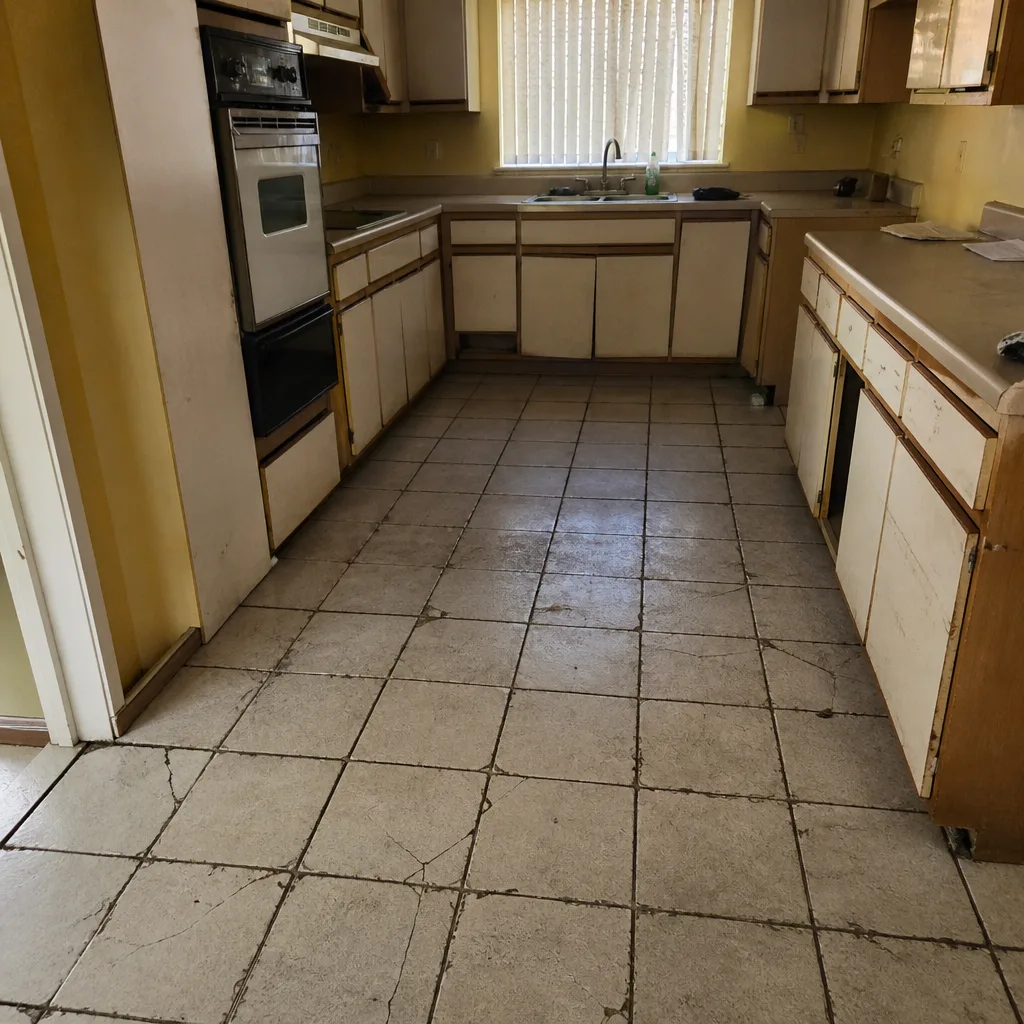 Before
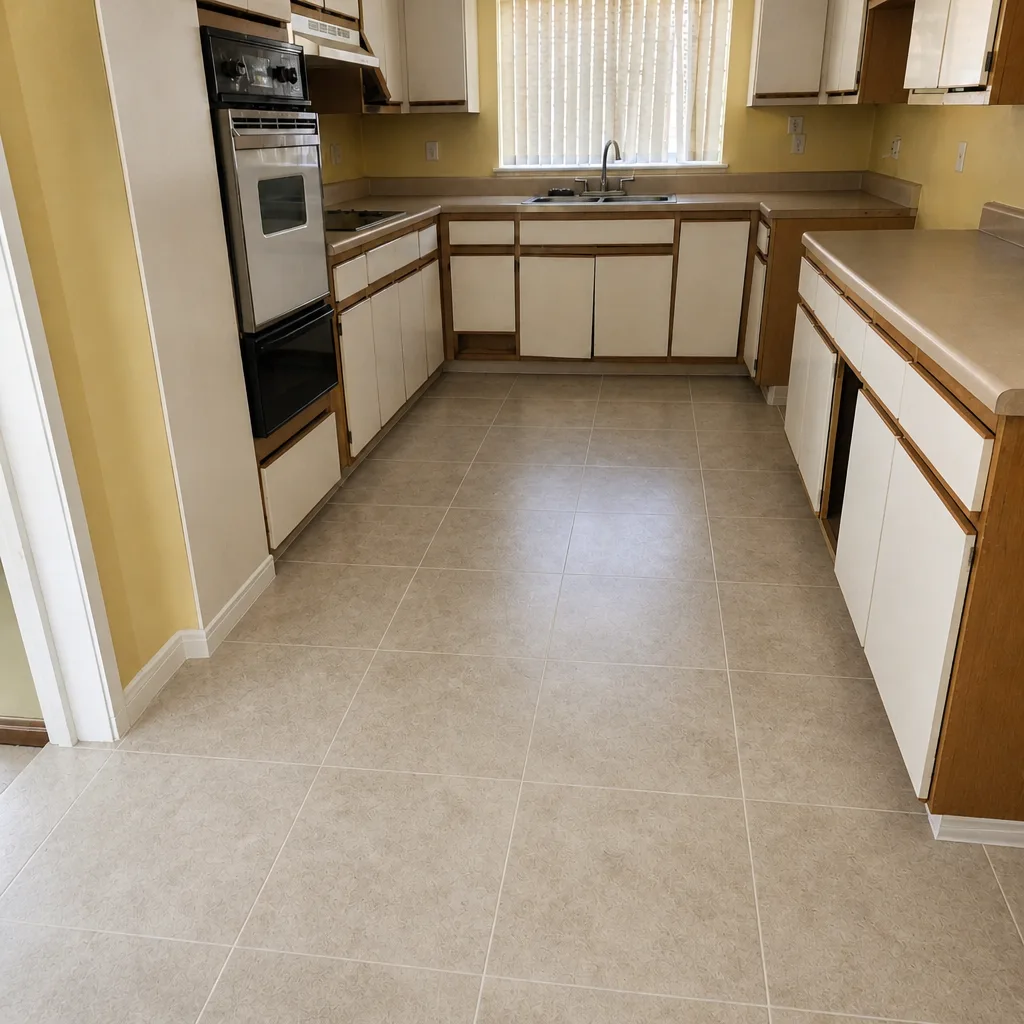 After
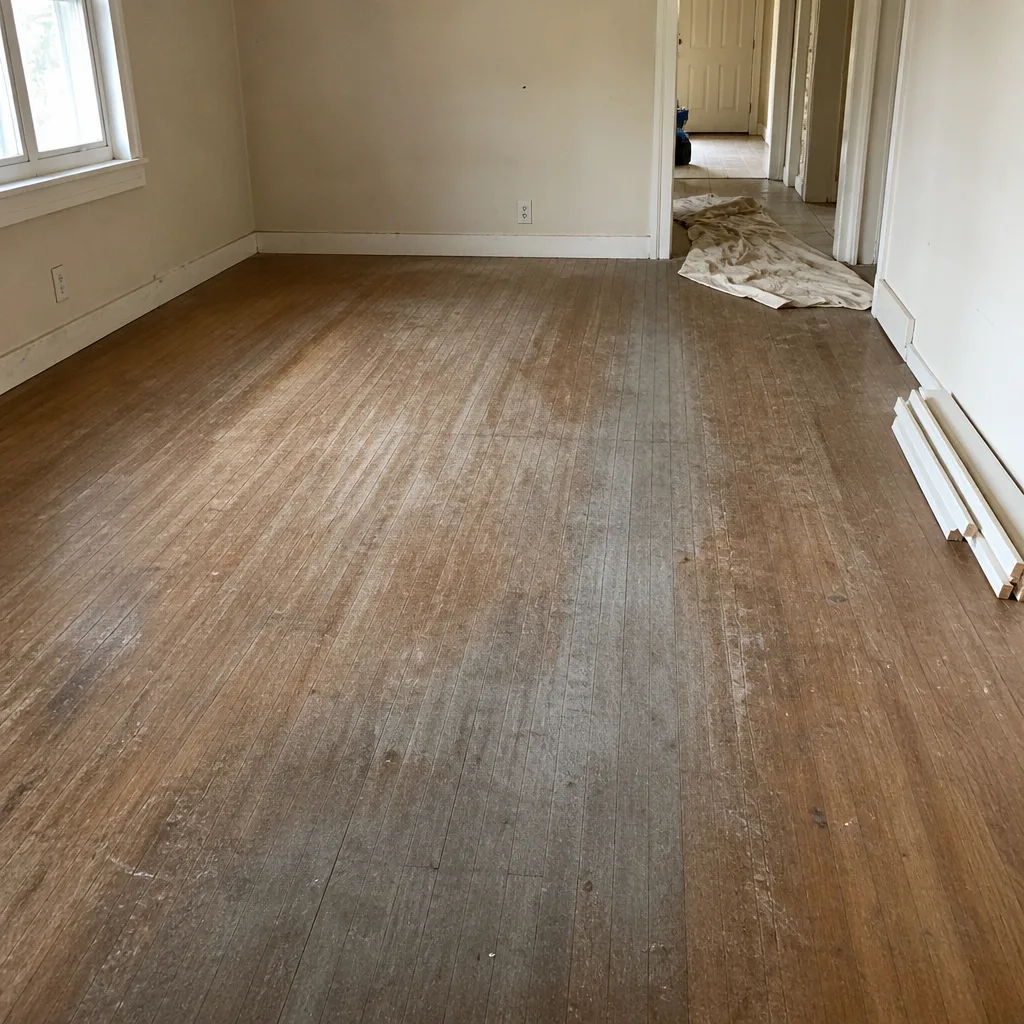 Before
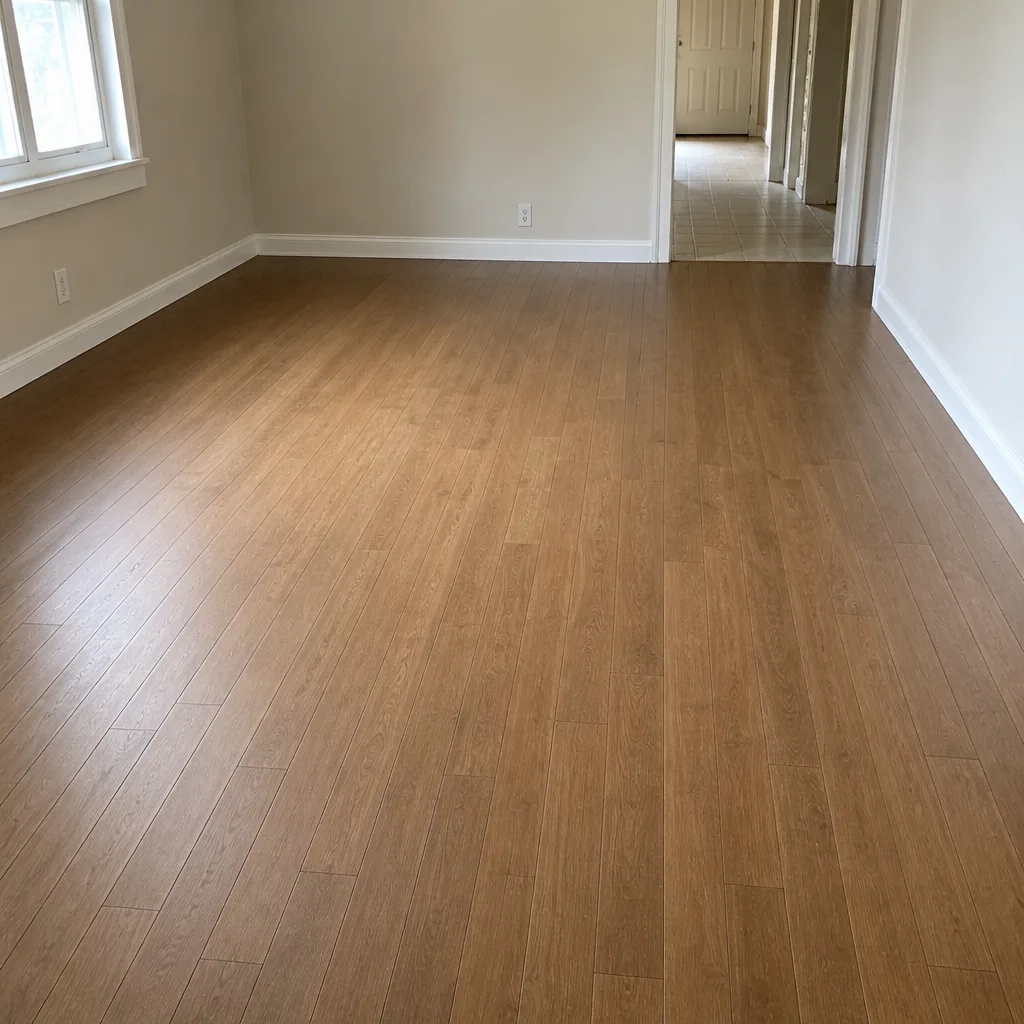 After
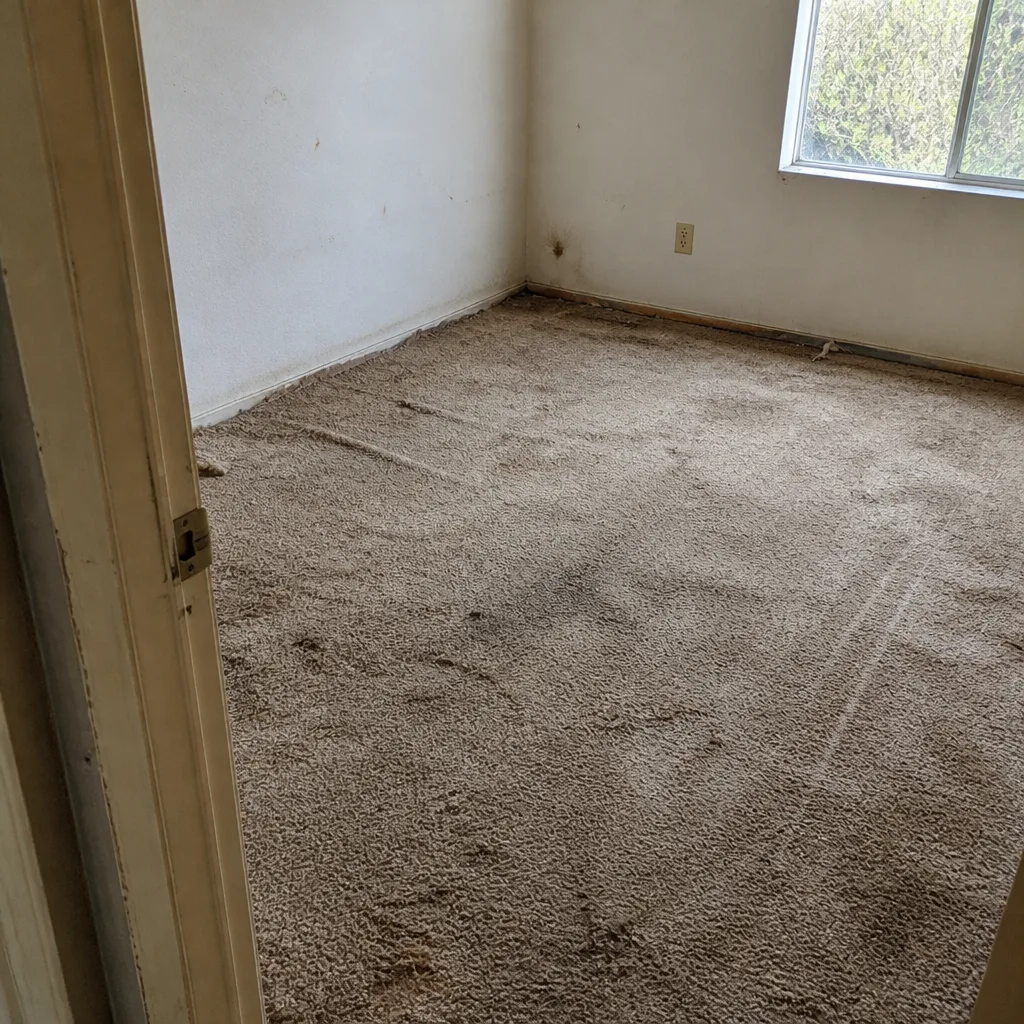 Before
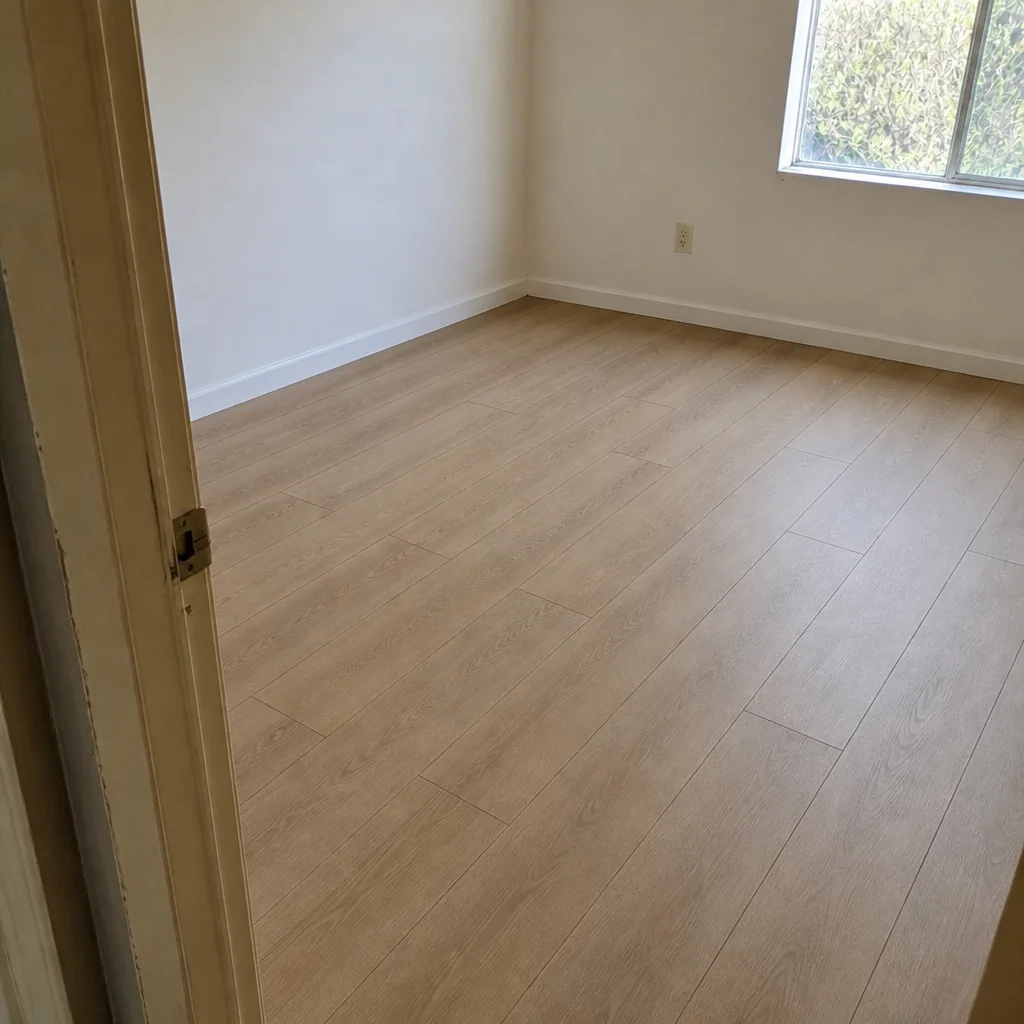 After
When to Call a Professional
Call a professional when you’re planning any floor that sits on a slab you haven’t tested, when a room gets strong afternoon sun or neighbors an un-insulated garage, when your existing hardwood is gapping and you’re wondering whether refinishing is an option, or when a multi-room project spans more than one floor type. These are the situations where the wrong product or the wrong install method costs the most to undo. A free in-home estimate and a written price come first, so you know exactly what your floor needs before you commit.
Our technicians have up to 13 years of experience reading desert slab conditions and matching materials to them. Flooring Installation Spring Valley offers free estimates in Spring Valley – call (844) 797-4453. We answer 24/7. Fast dispatch from 7am to 7pm, Sunday through Friday.
Frequently Asked Questions
Tile is the most climate-proof option, followed by stone-core luxury vinyl and engineered hardwood installed over a properly tested slab. Carpet works well when the fiber is chosen for sun and static. Solid hardwood struggles most in typical Spring Valley rooms because of the low humidity and heat swings. Call (844) 797-4453 to talk through your specific rooms – estimates are free.
Gapping is almost always low humidity pulling moisture out of the wood and shrinking the boards, not heat alone. Summer indoor humidity can drop below 10% here, which is enough to separate planks. Controlling indoor humidity and choosing a more stable construction helps. Call (844) 797-4453 for a free assessment of whether refinishing or replacement makes sense.
It depends on the core. Stone polymer composite (SPC) handles heat and dimensional change better than wood polymer composite (WPC), so it’s the better pick for sun-baked rooms and un-insulated garage adjacency. COREtec and Karndean give us commercial-grade options. No vinyl is fully waterproof – water-resistant, yes, but standing water still needs handling. Call (844) 797-4453 for a free estimate.
Yes, especially for any glue-down installation. A slab can hold moisture from irrigation and the ground beneath, and that moisture can fail an adhesive or finish from below. We test before we recommend a method. Call (844) 797-4453 to schedule a free in-home estimate.
Fiber type matters more than weight. Solution-dyed fibers resist UV fading, and fibers like olefin and polyester handle dry-air static better than some alternatives. Shaw and Mohawk give us enough range to match the fiber to each room’s sun exposure. Call (844) 797-4453 for a free estimate.
Often yes, but it depends on the thickness of the wood and its condition, which we check at the estimate visit. Refinishing a sound floor is frequently a more cost-effective path than replacement. Call (844) 797-4453 to find out whether refinishing fits your floor – estimates are free.
The Bottom Line
Spring Valley’s desert climate doesn’t rule out any floor, but it does change which ones thrive. Tile is the most forgiving of heat and low humidity, stone-core luxury vinyl is the strong all-rounder for sun-baked and moisture-prone rooms, engineered hardwood works when its humidity tolerance is matched to your home, and carpet works best when the fiber is chosen for sun and static. The slab under everything needs moisture testing before any glue-down. Match the material to the room, restore sound hardwood before replacing it, and put one accountable installer in charge from selection to final walk-through. That’s how a Spring Valley floor lasts.
To get started on your Spring Valley flooring project, see our Spring Valley service page or call for a free estimate.
Call (844) 797-4453 to schedule your free estimate. We answer 24/7. Fast dispatch from 7am to 7pm, Sunday through Friday.
Written by the team at Flooring Installation Spring Valley.